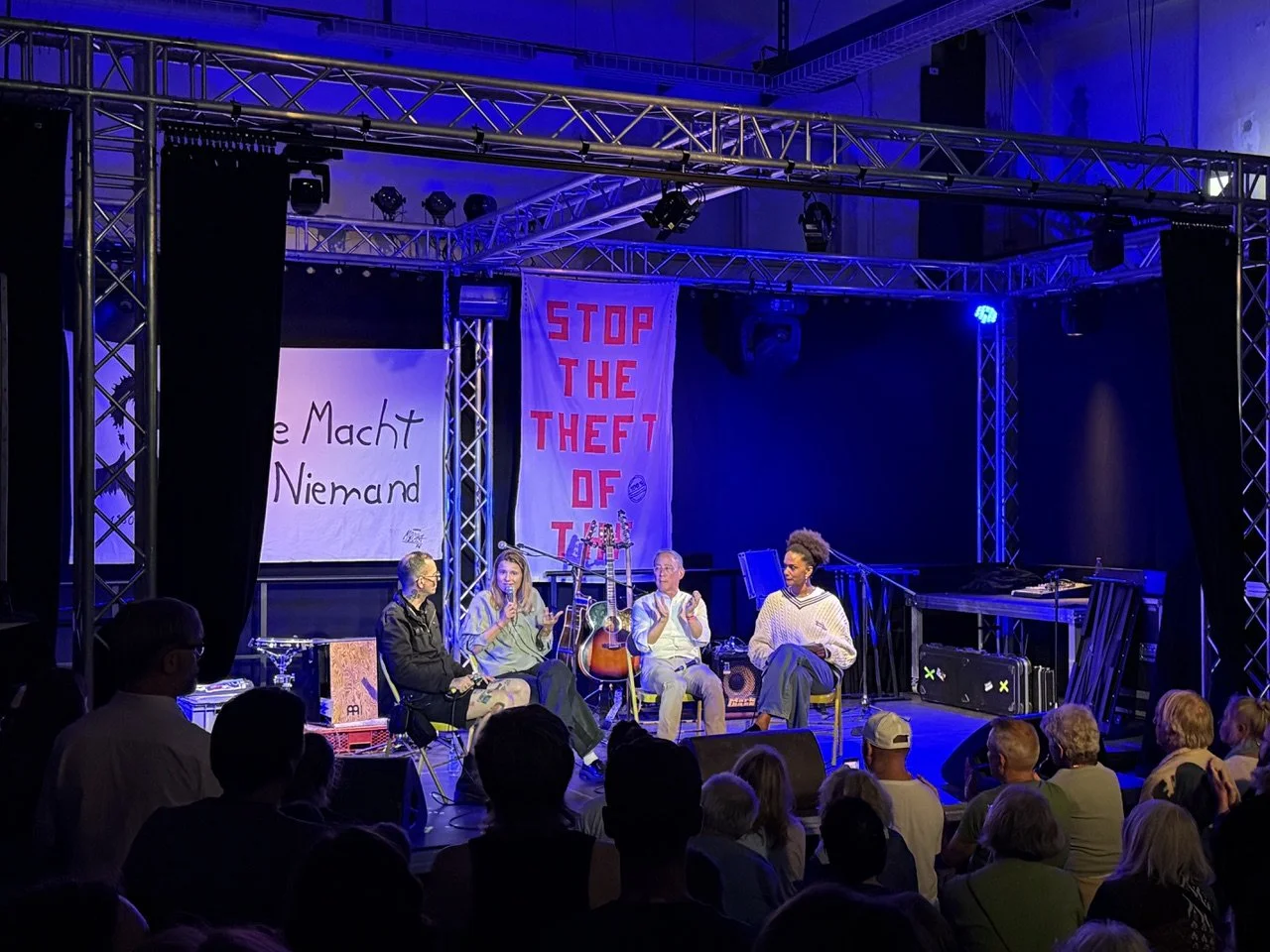
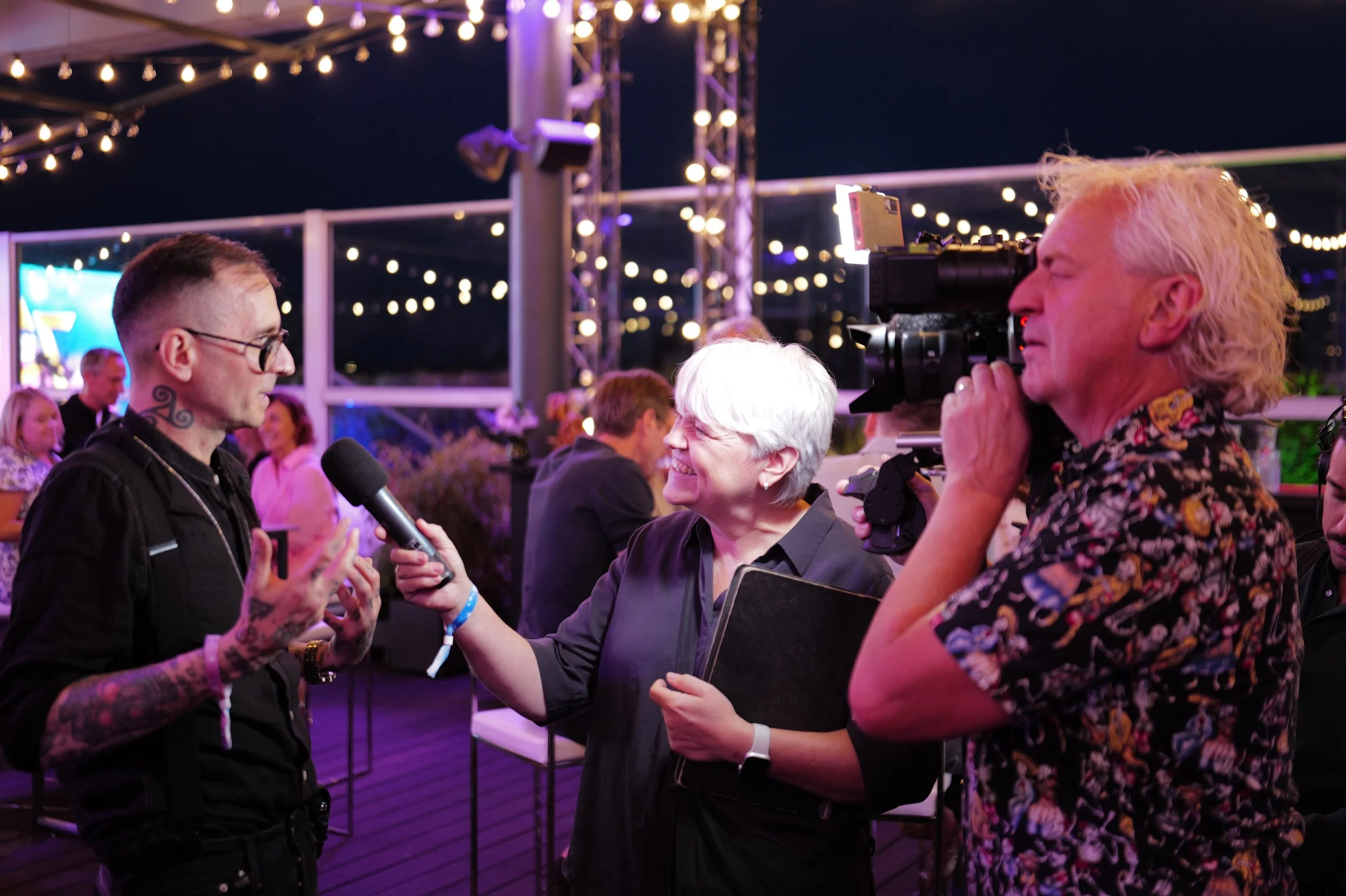
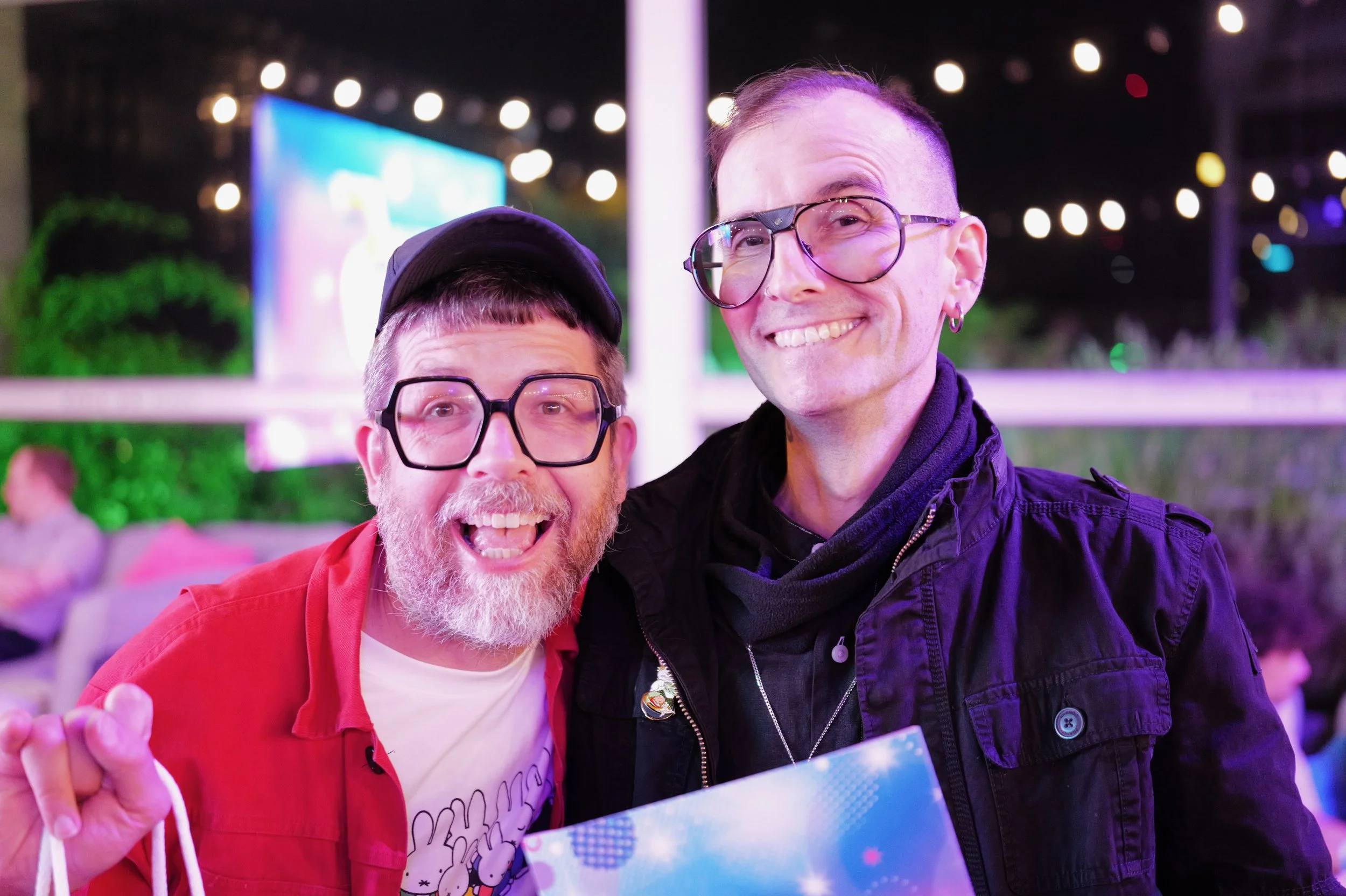
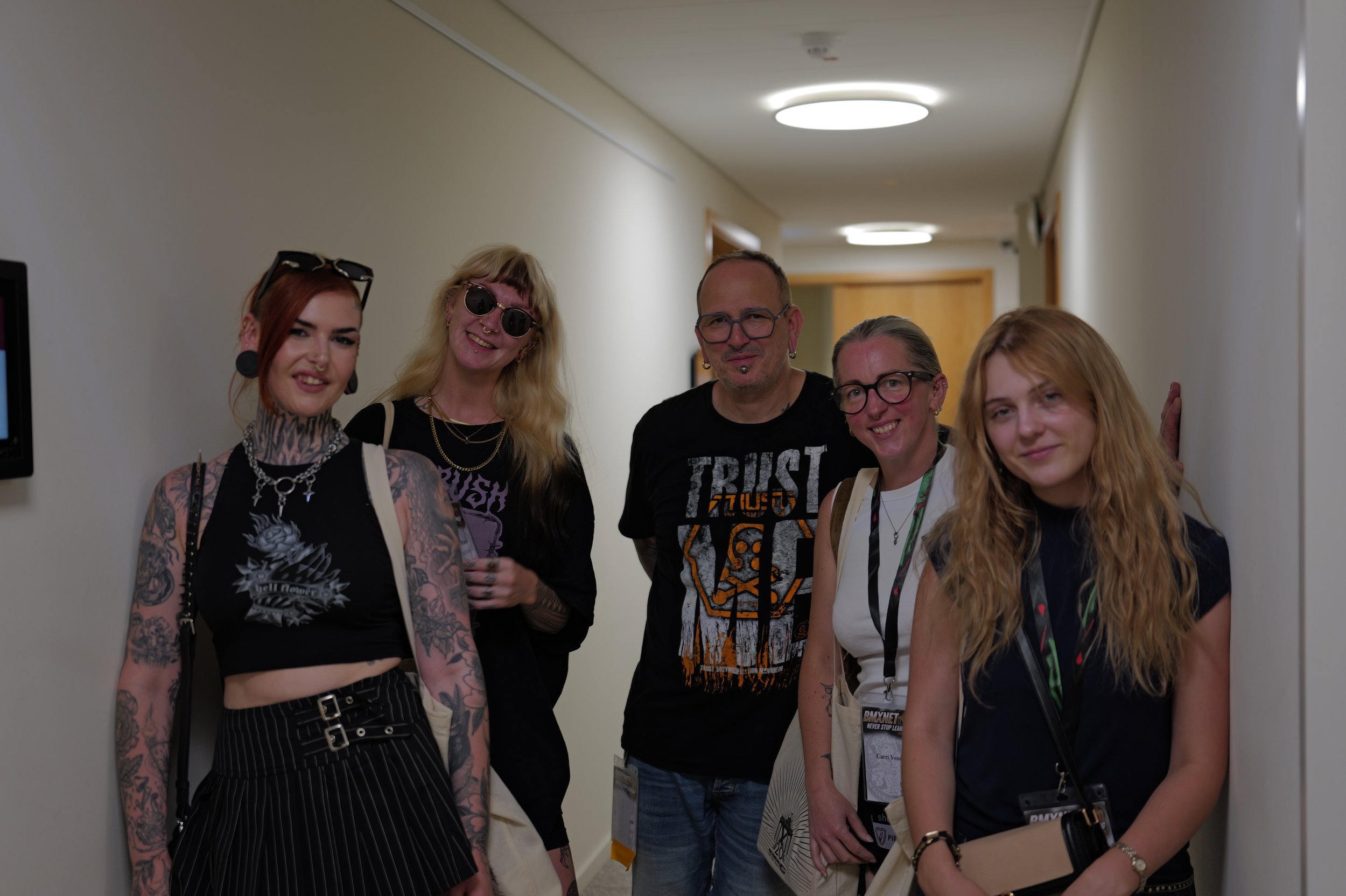
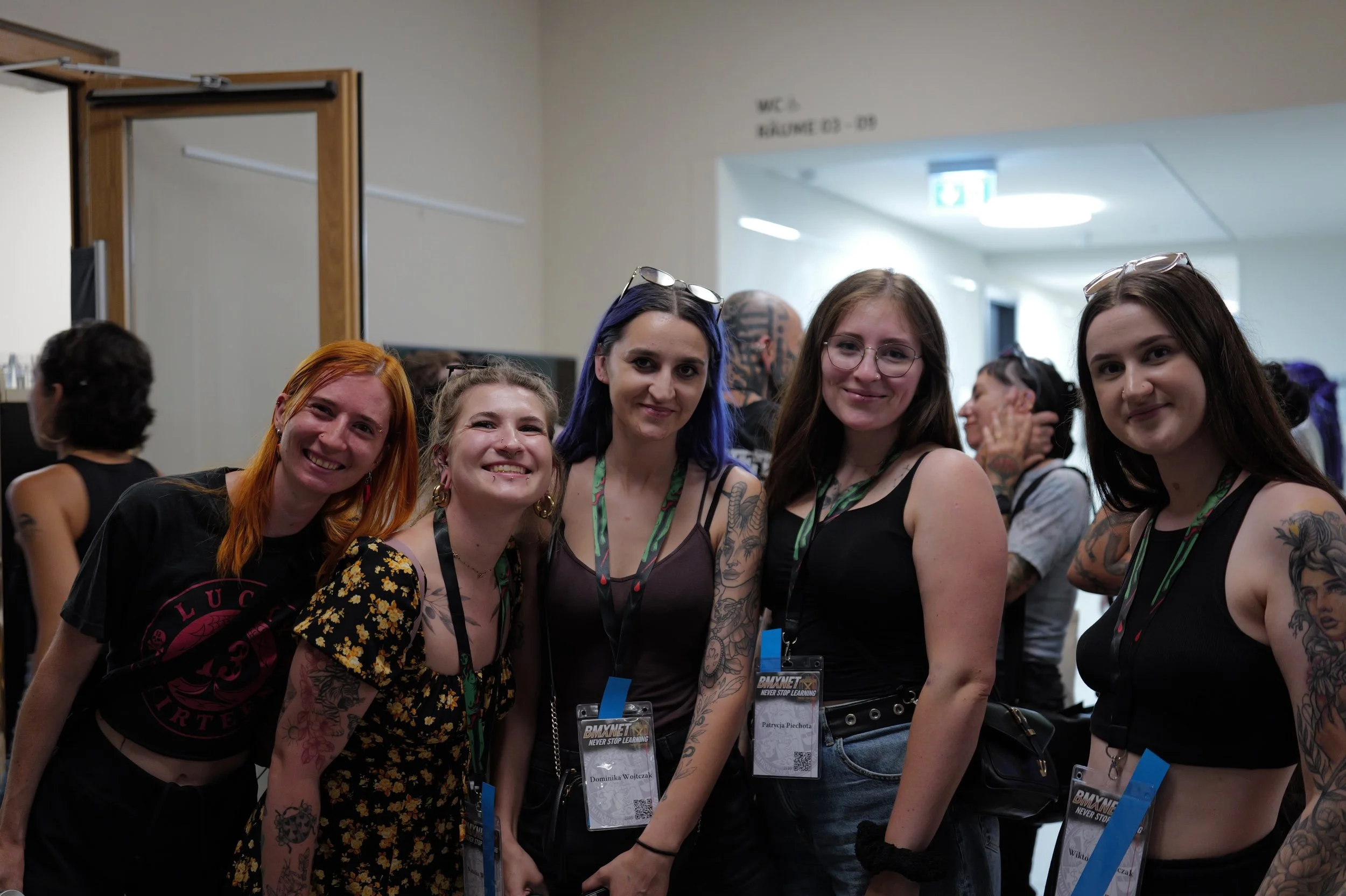
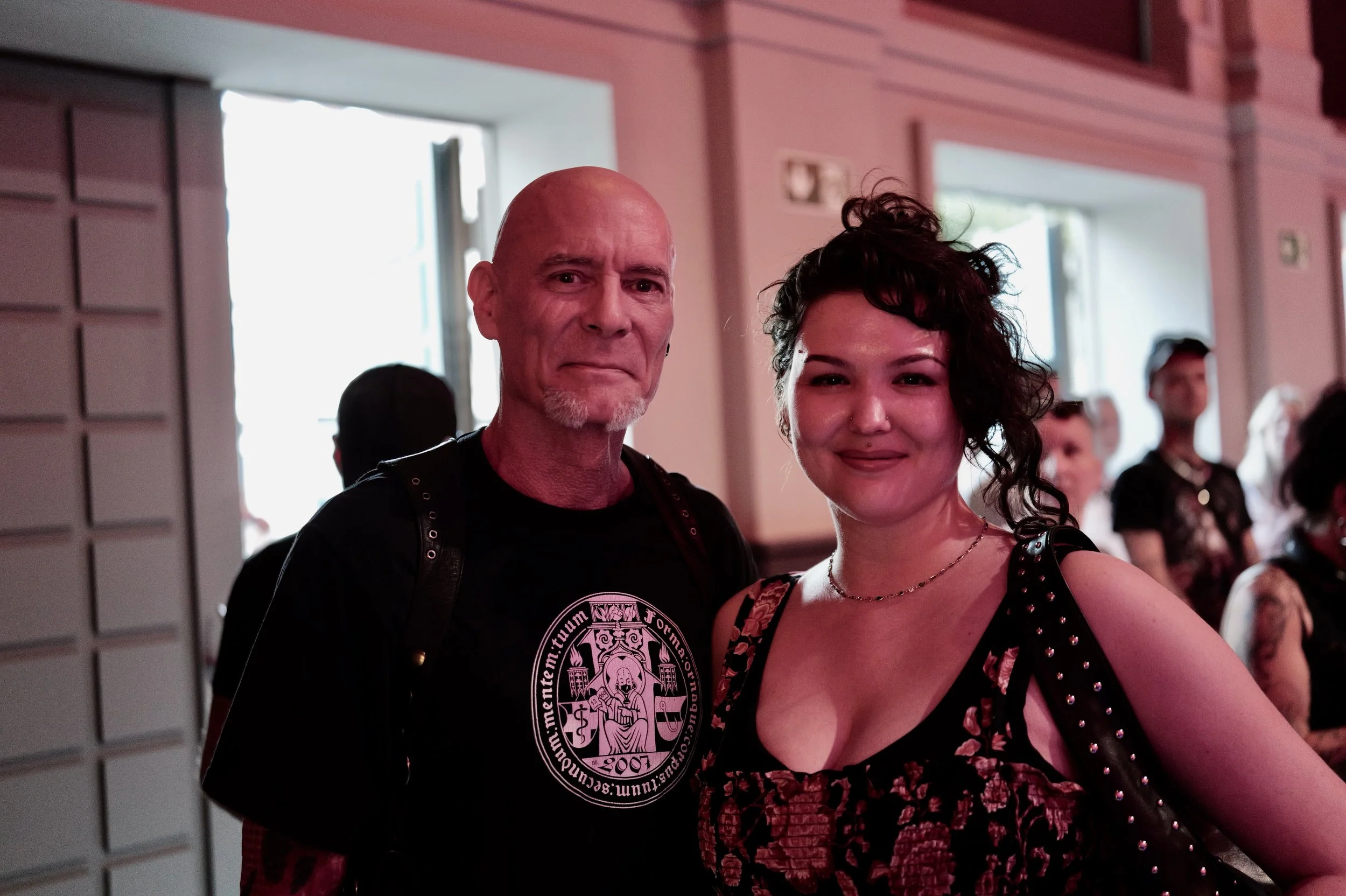
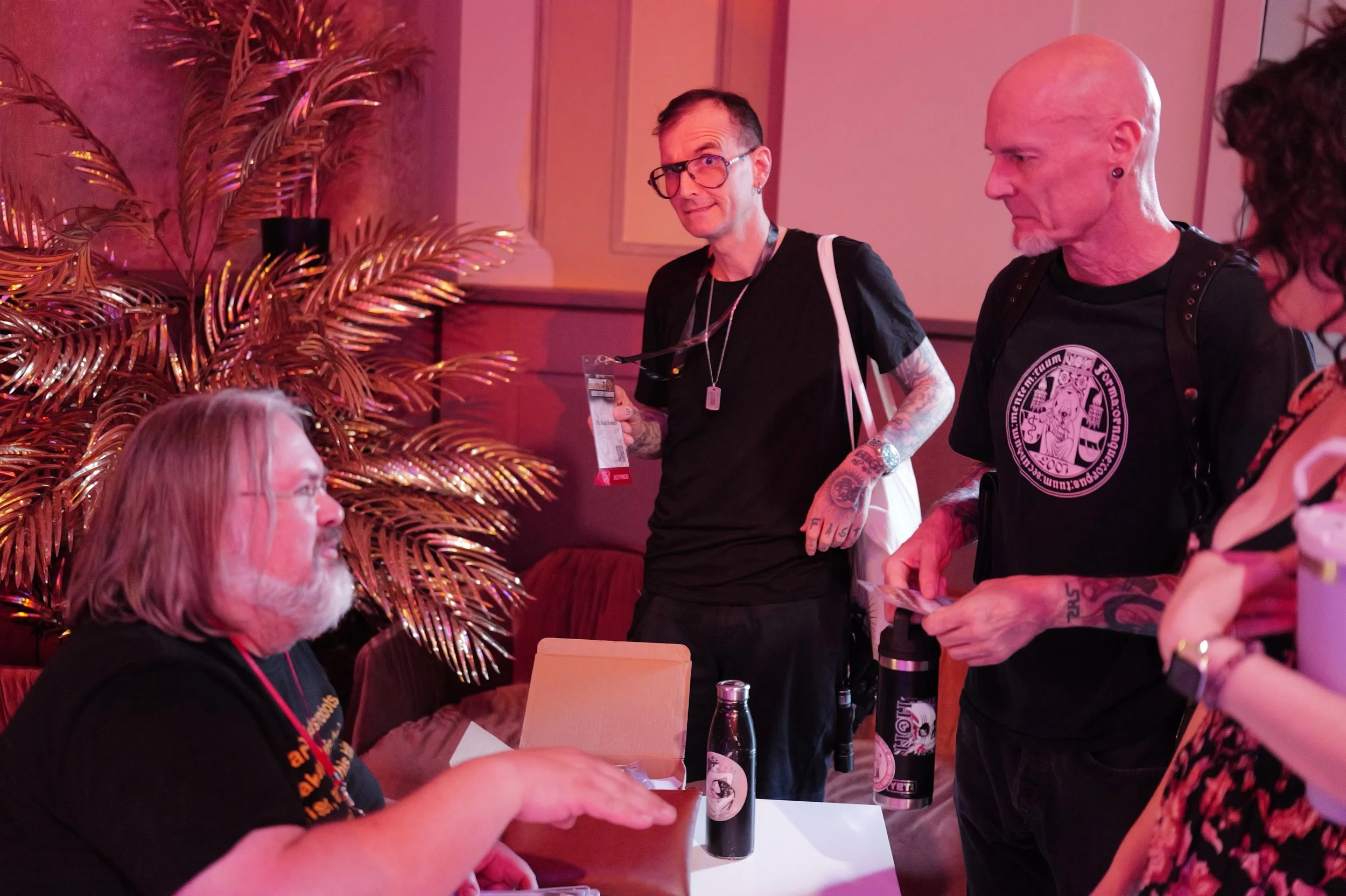
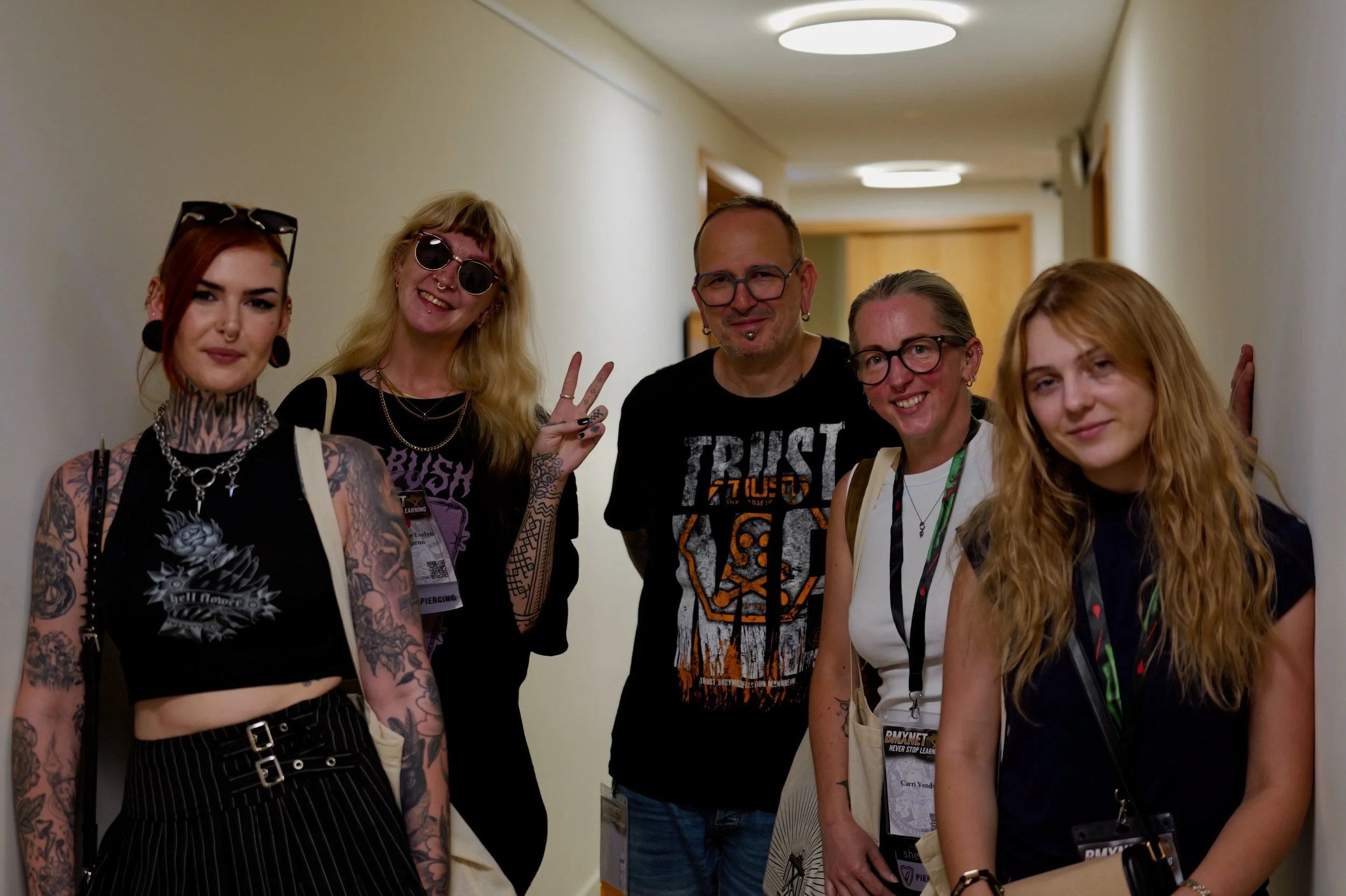
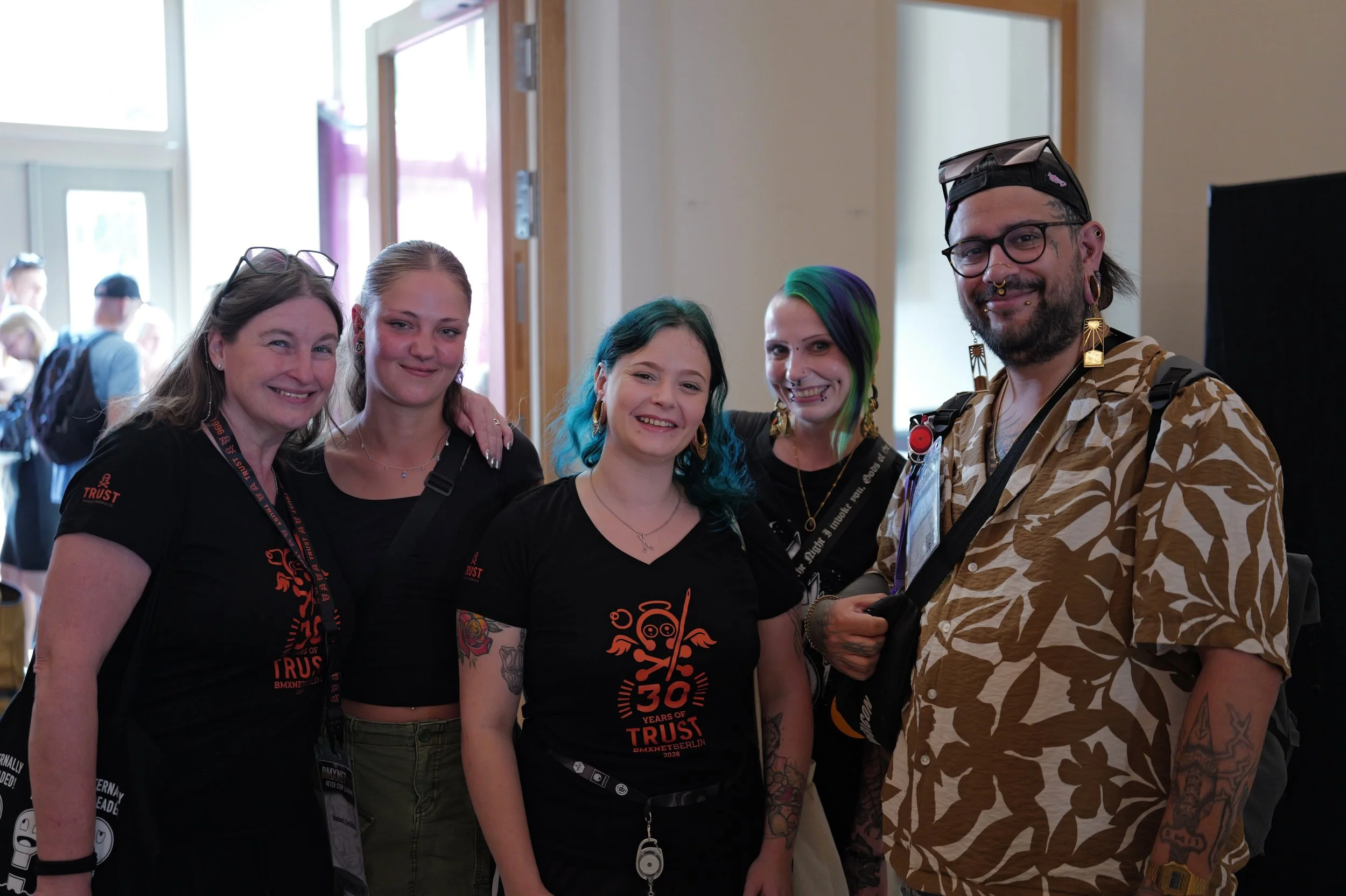
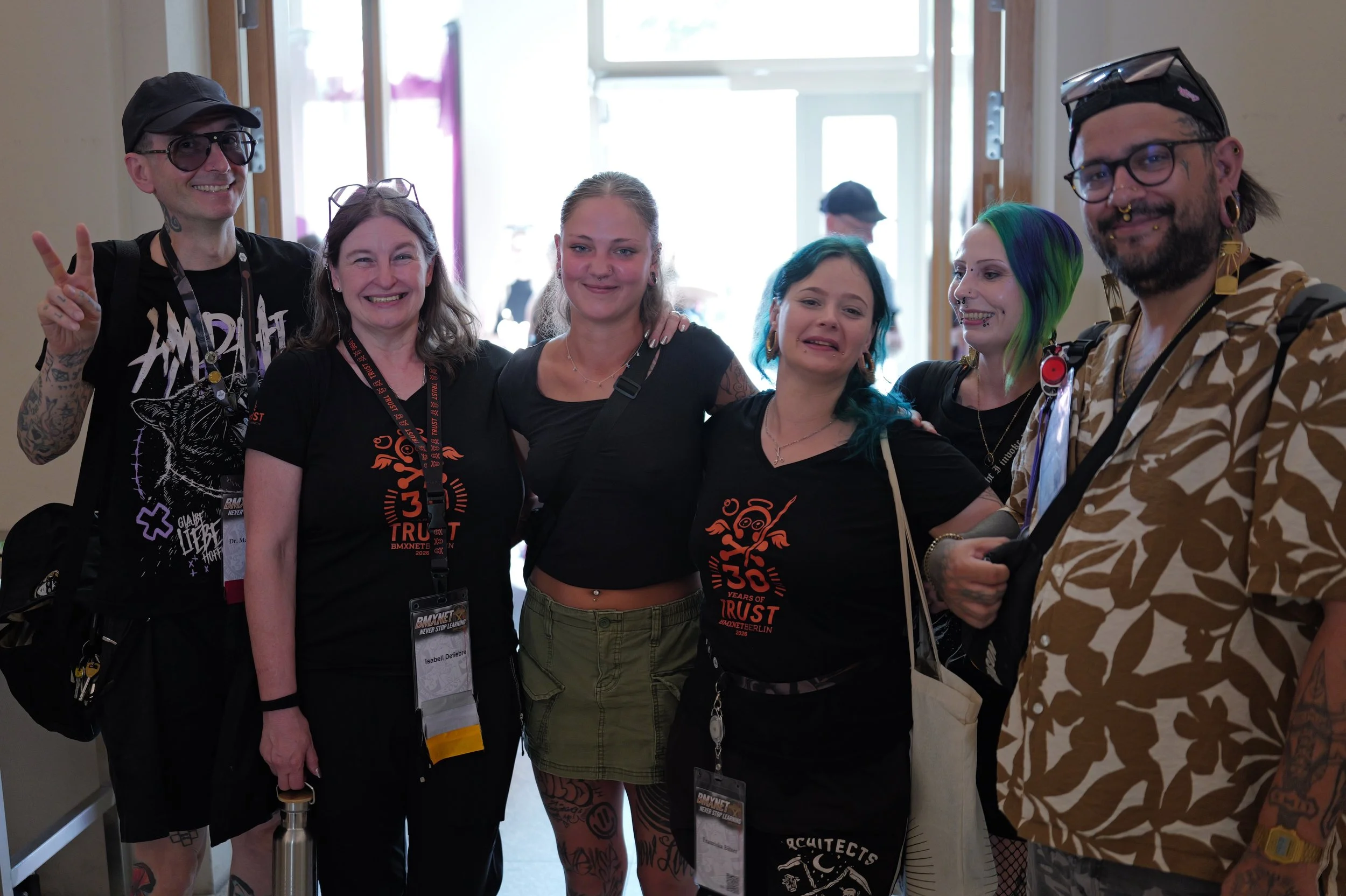
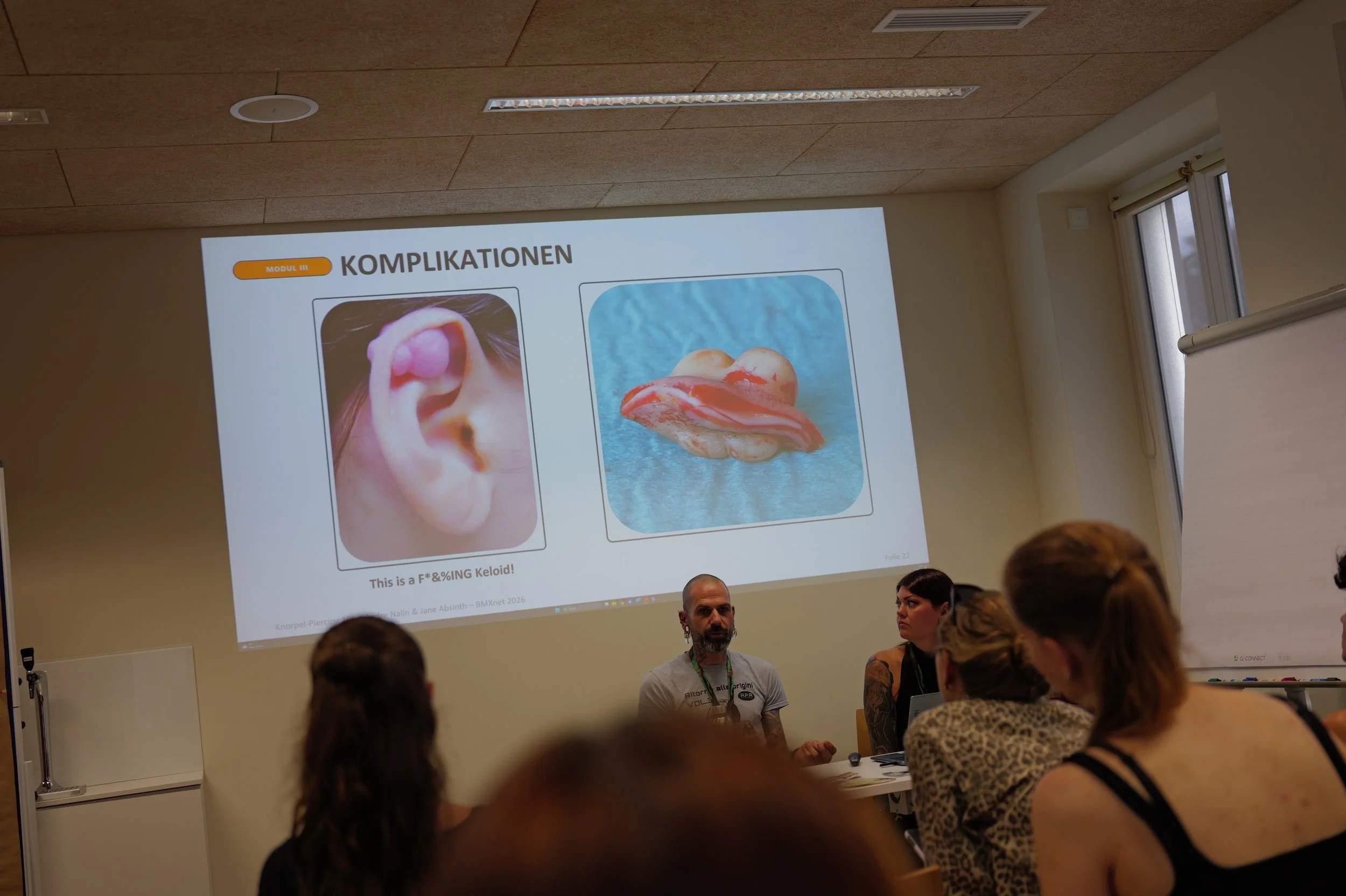
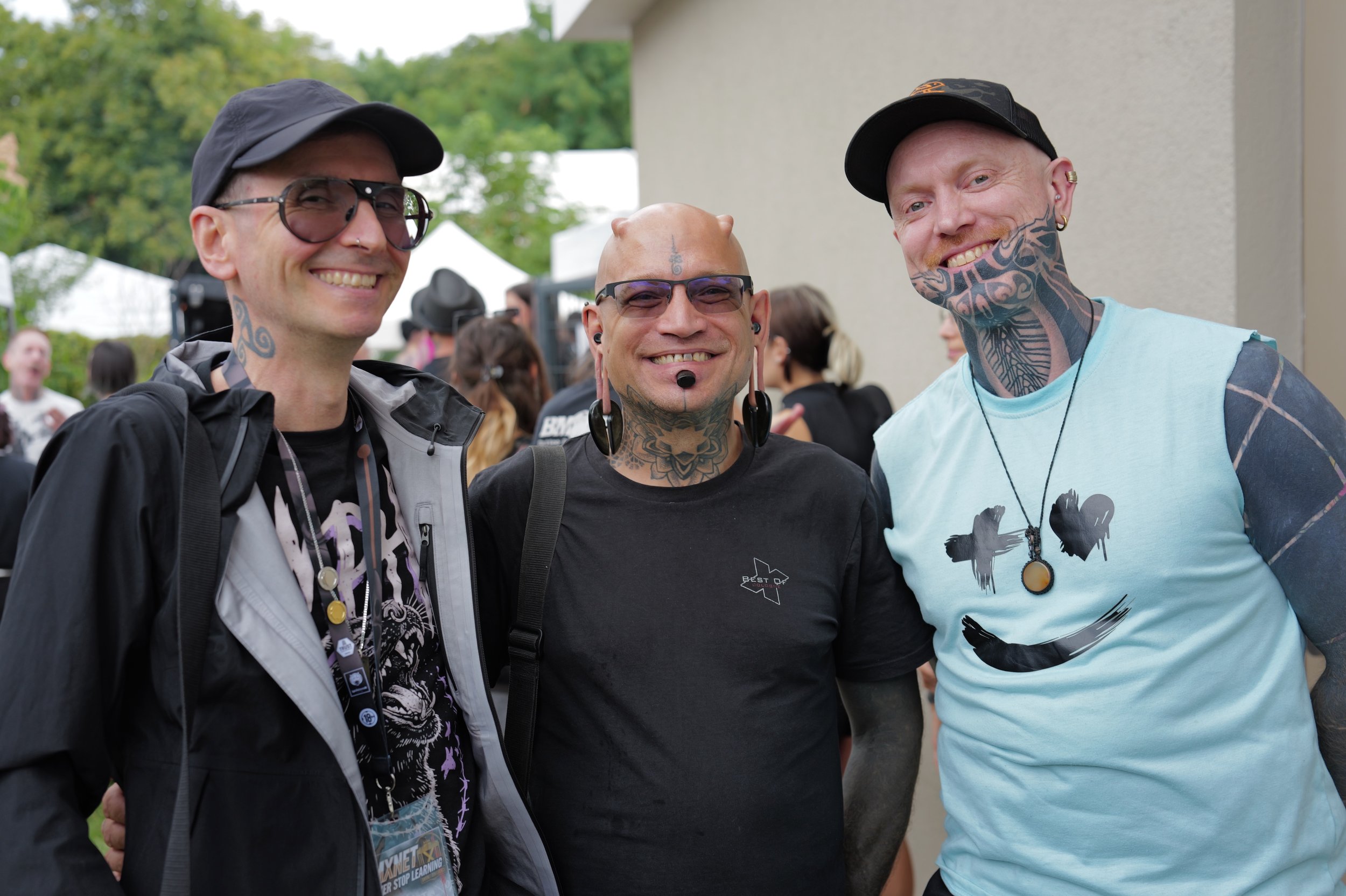
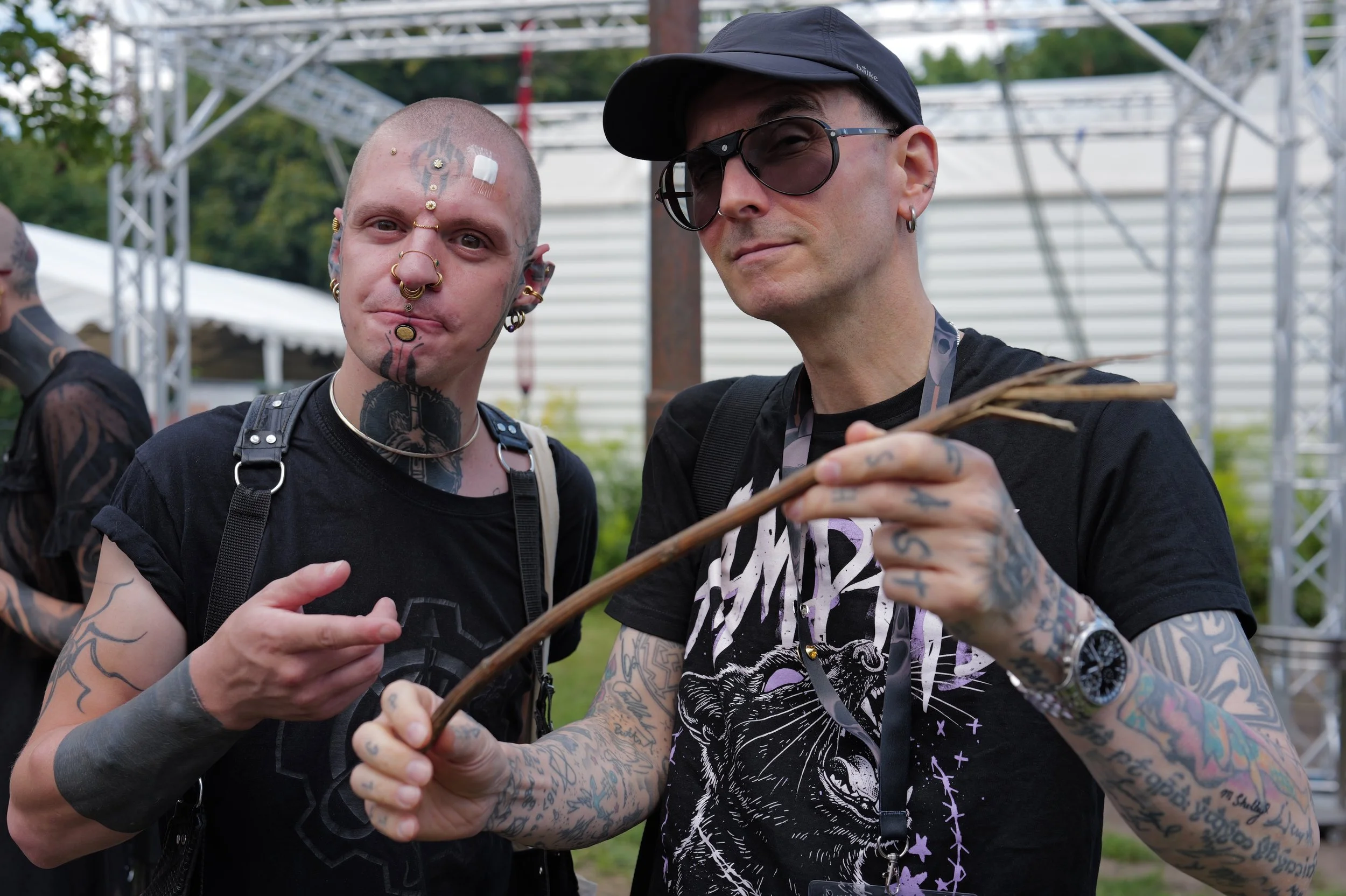
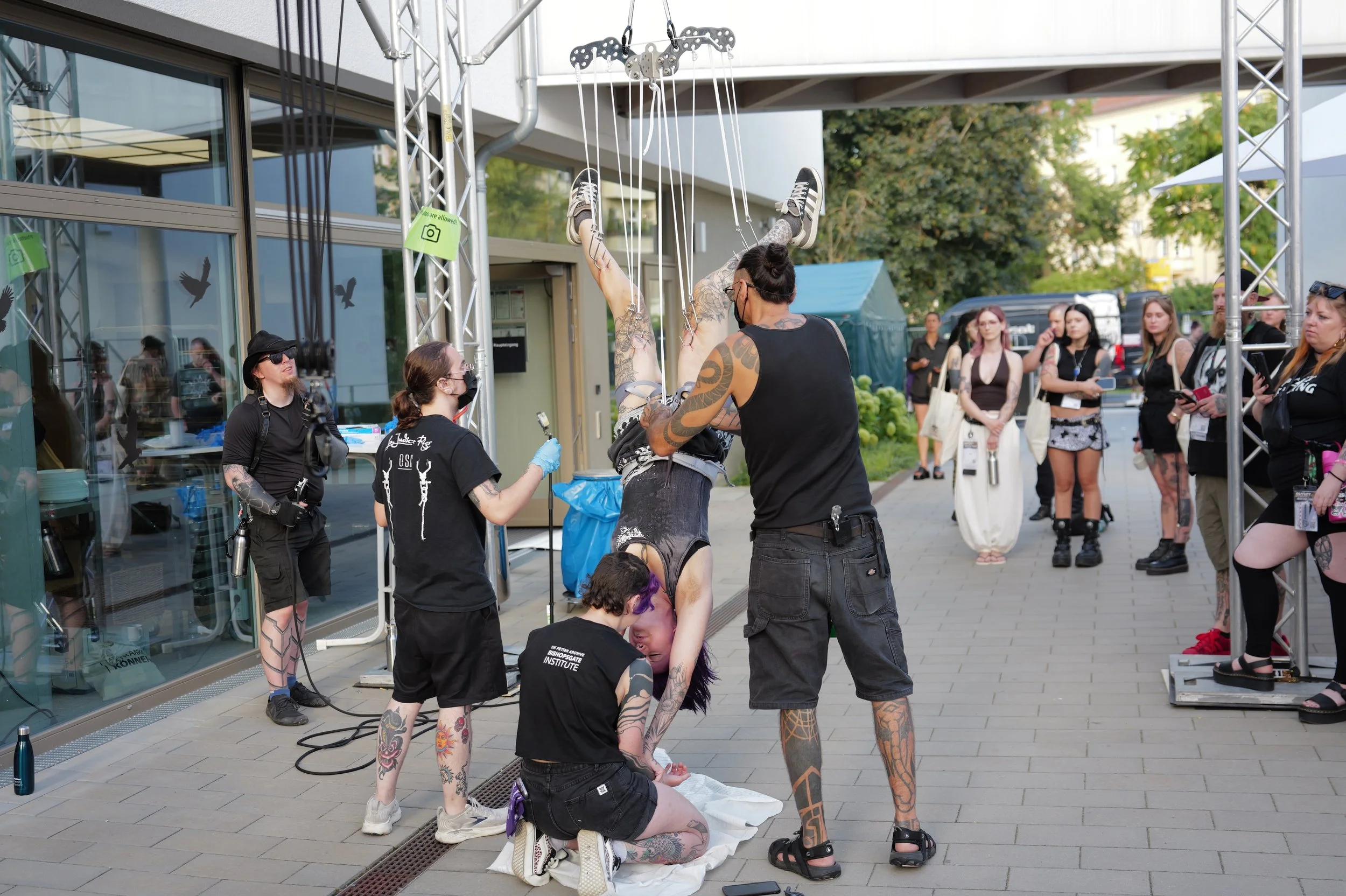
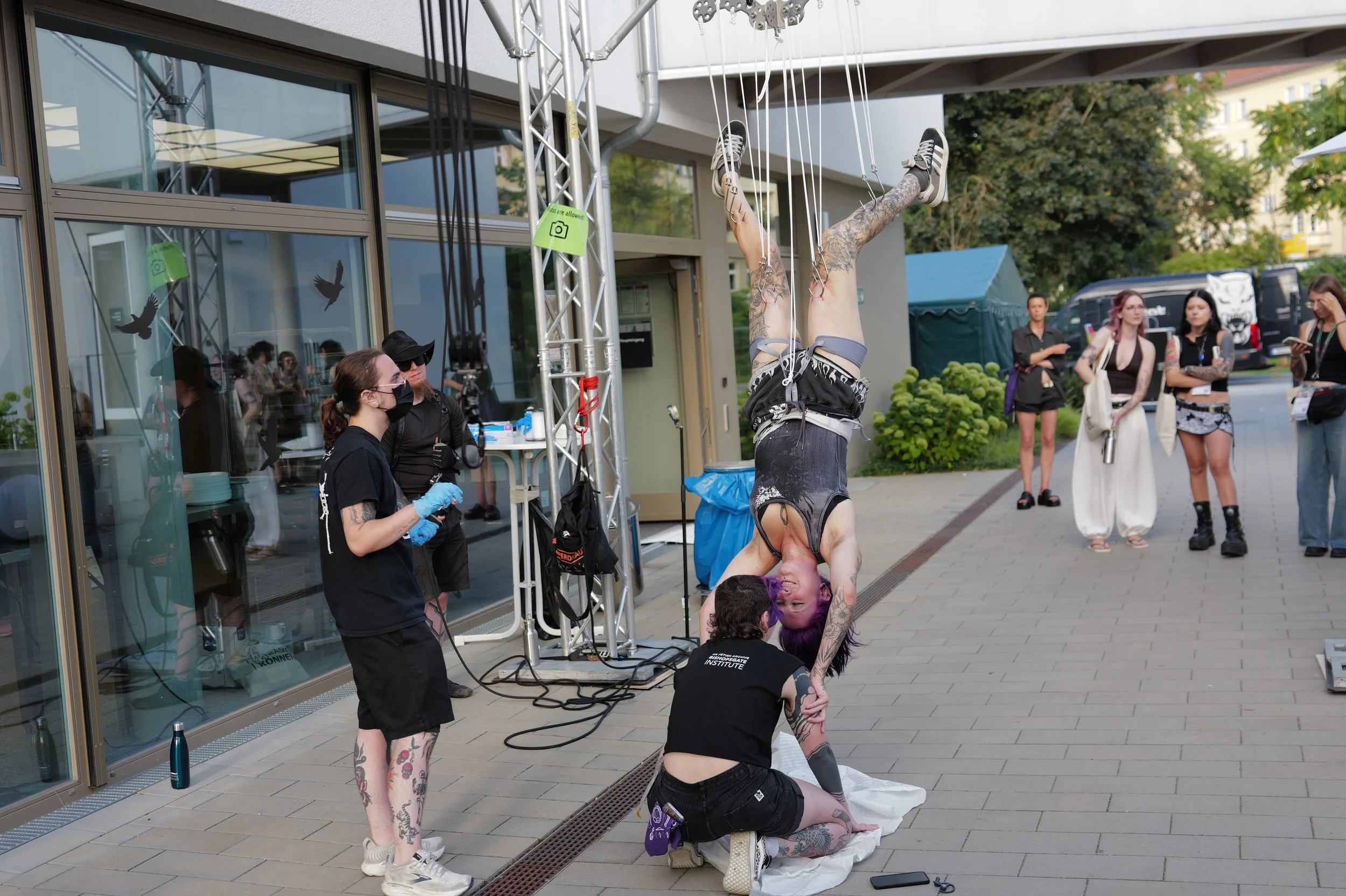
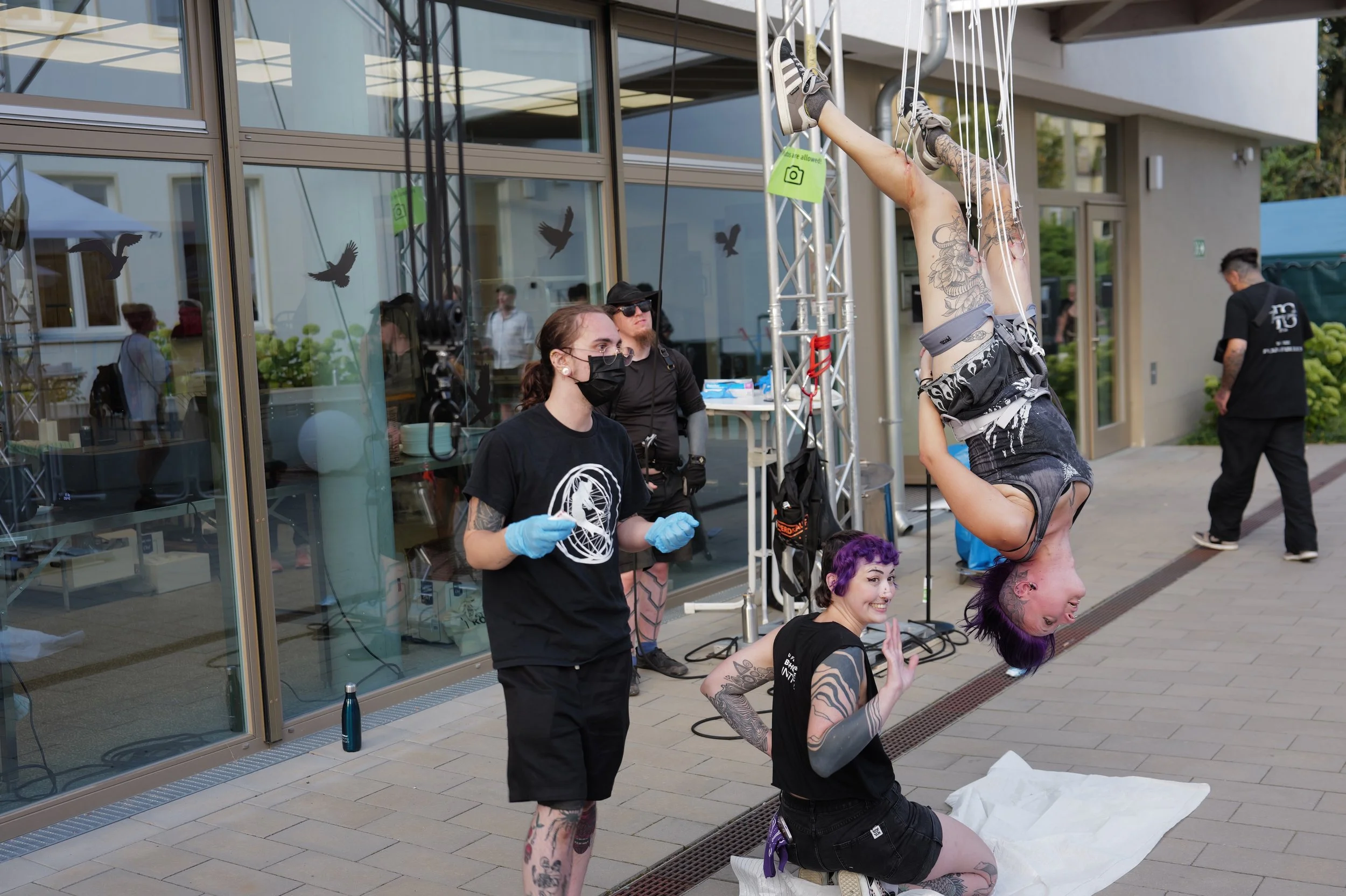
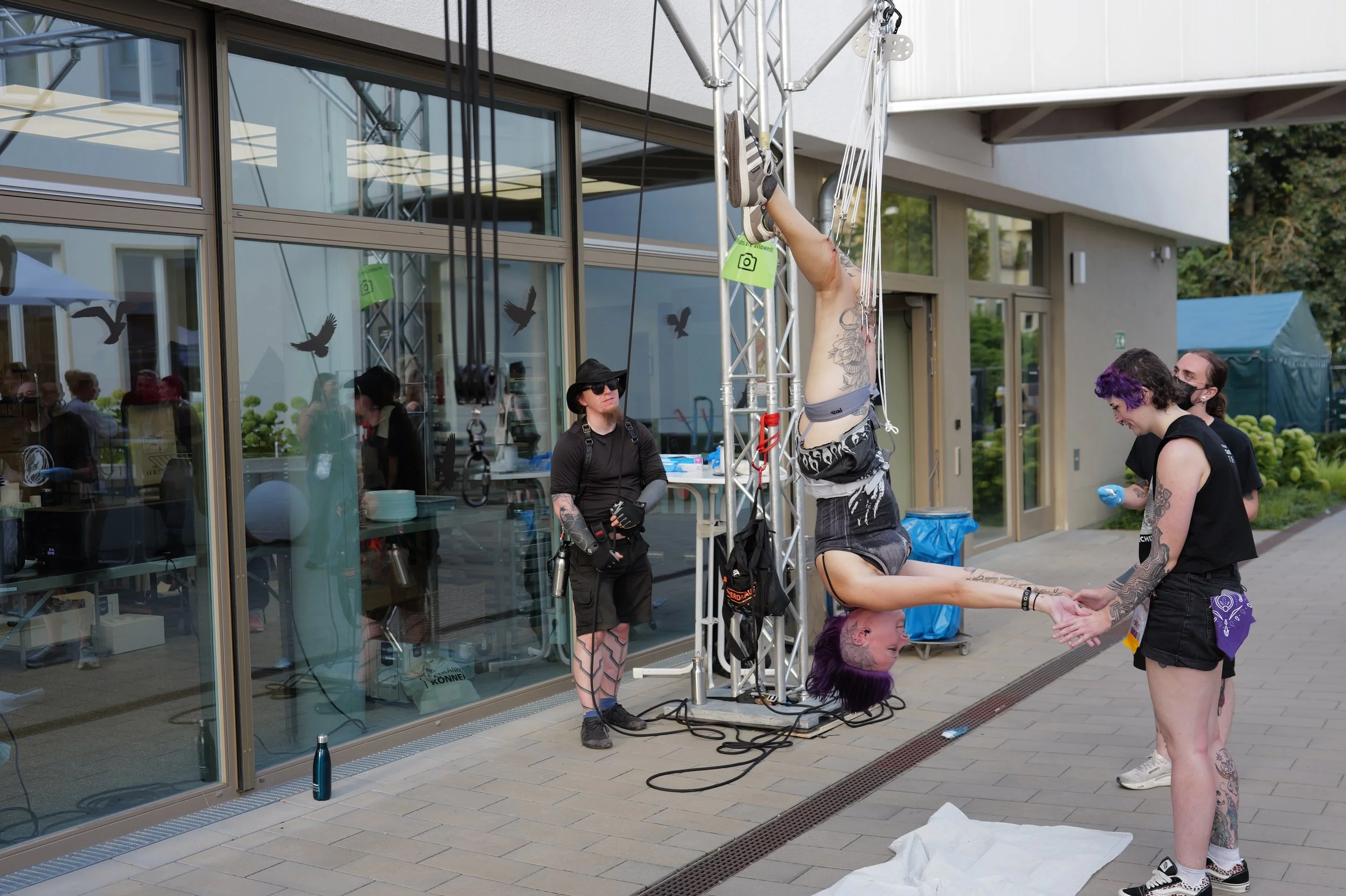
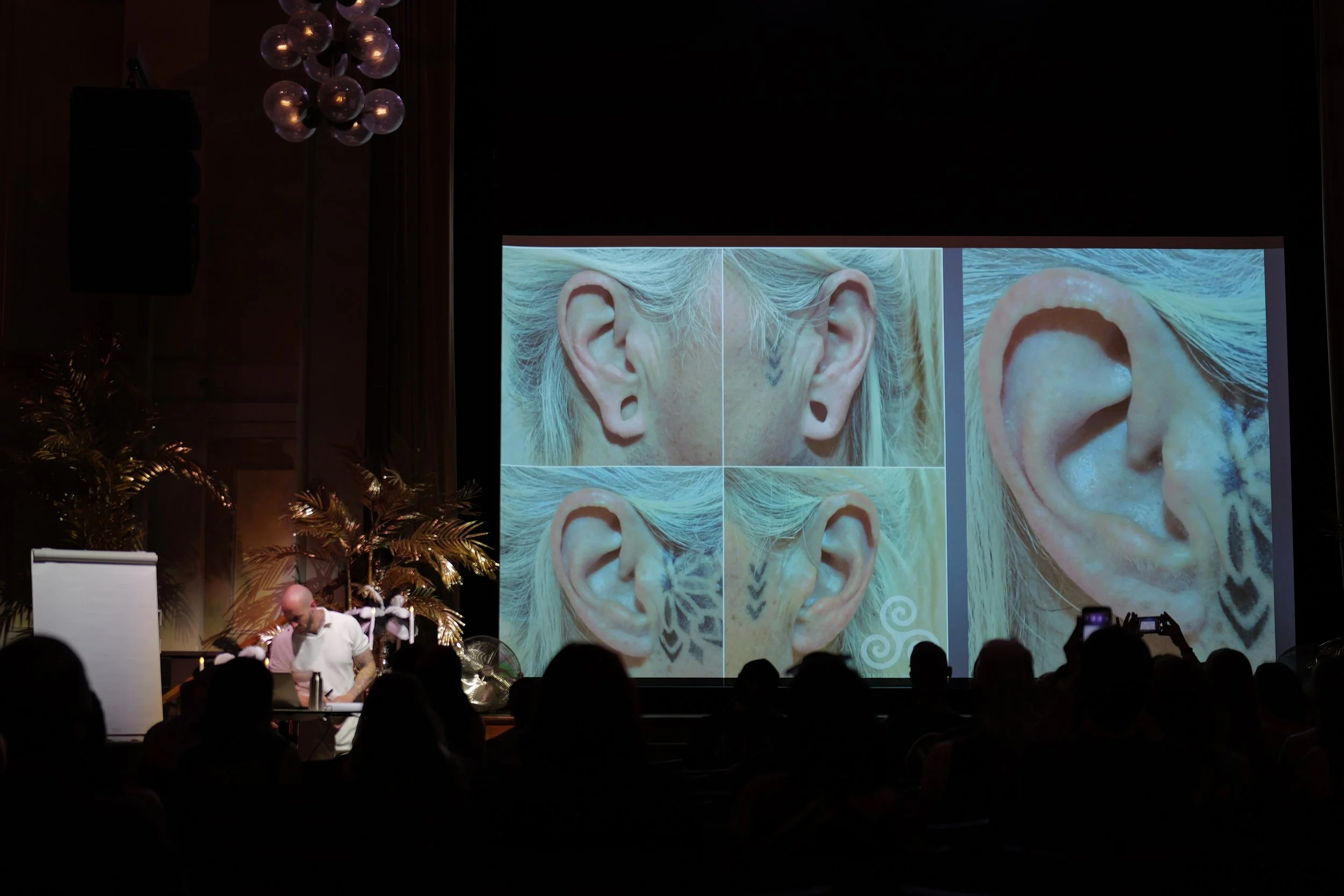
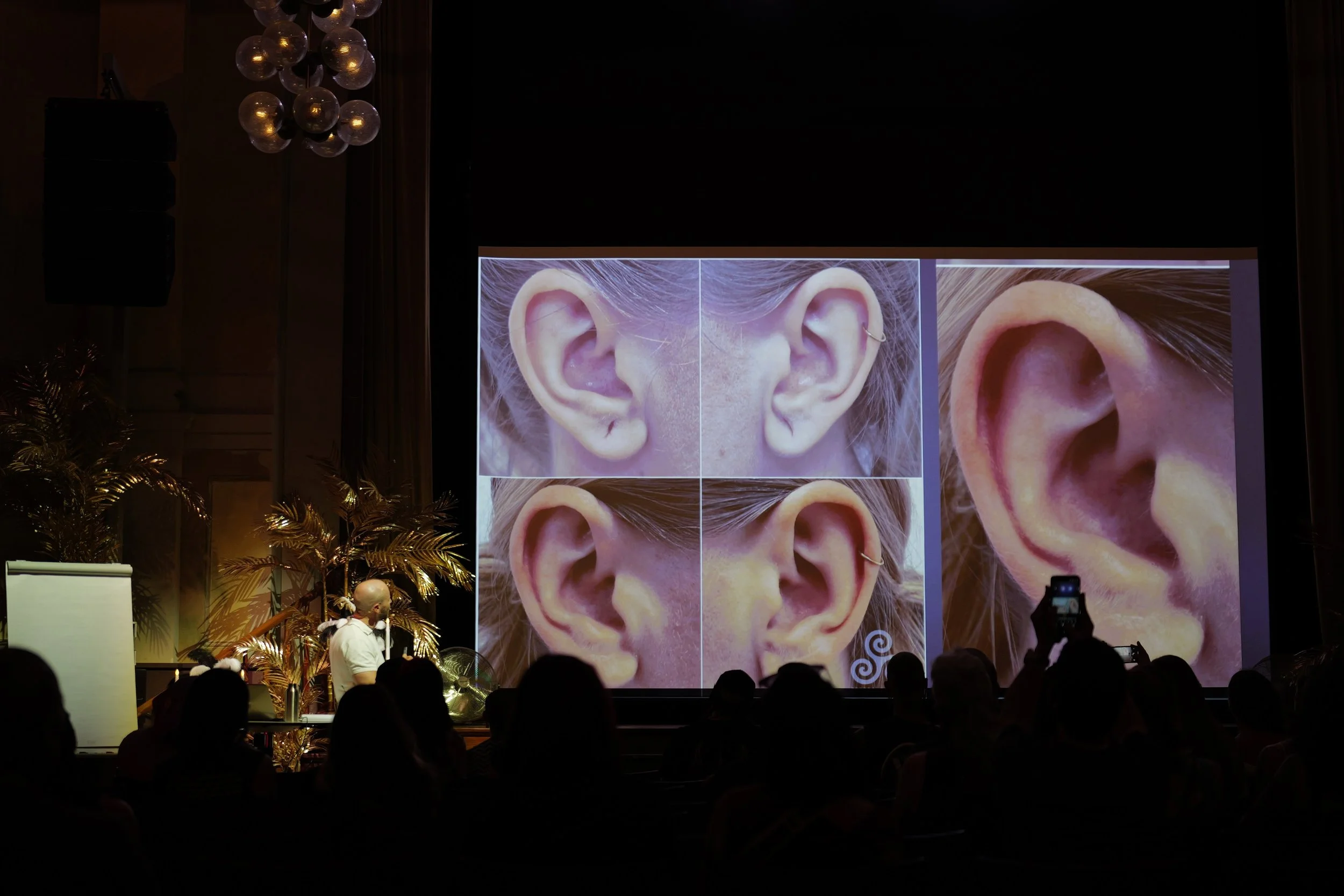
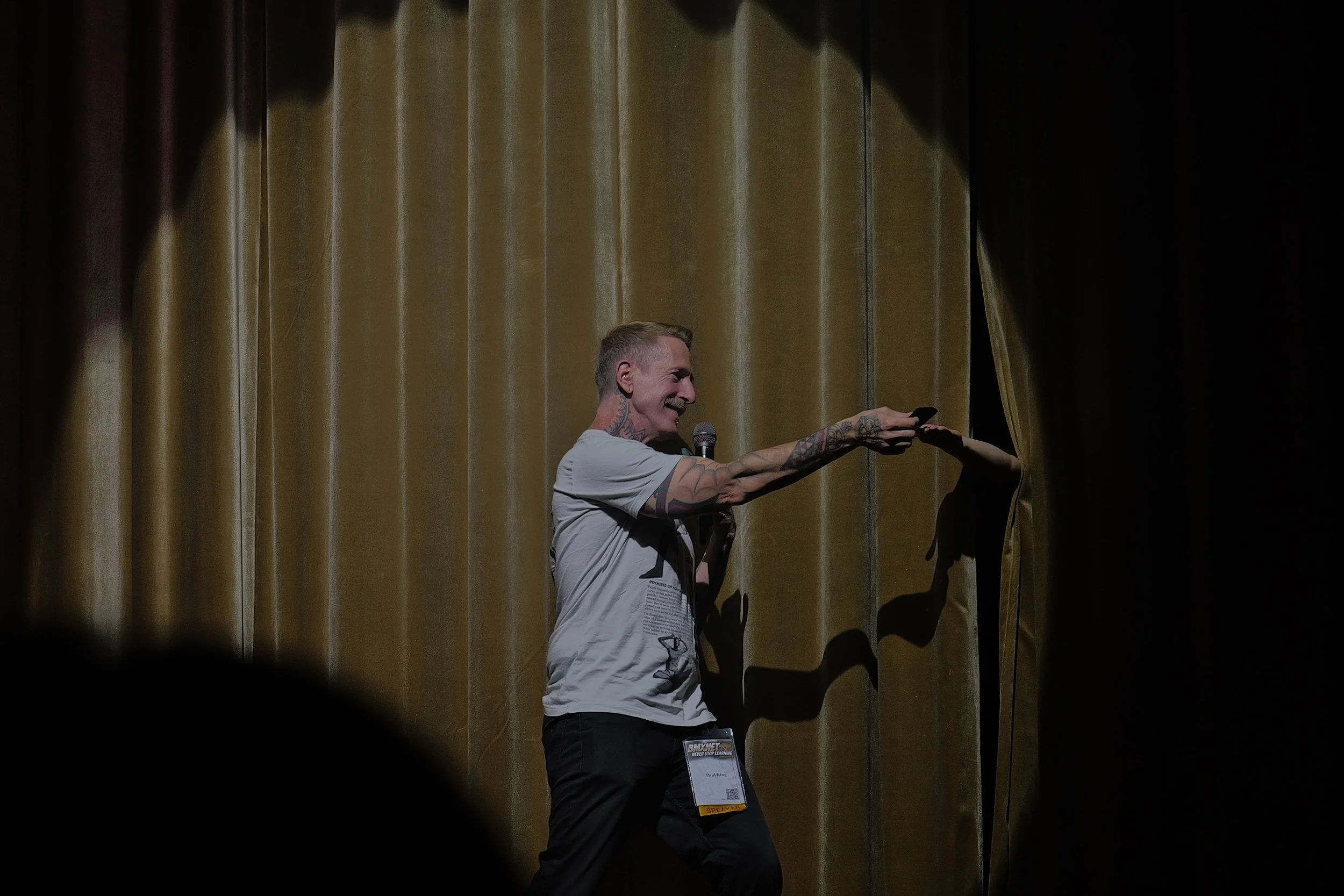
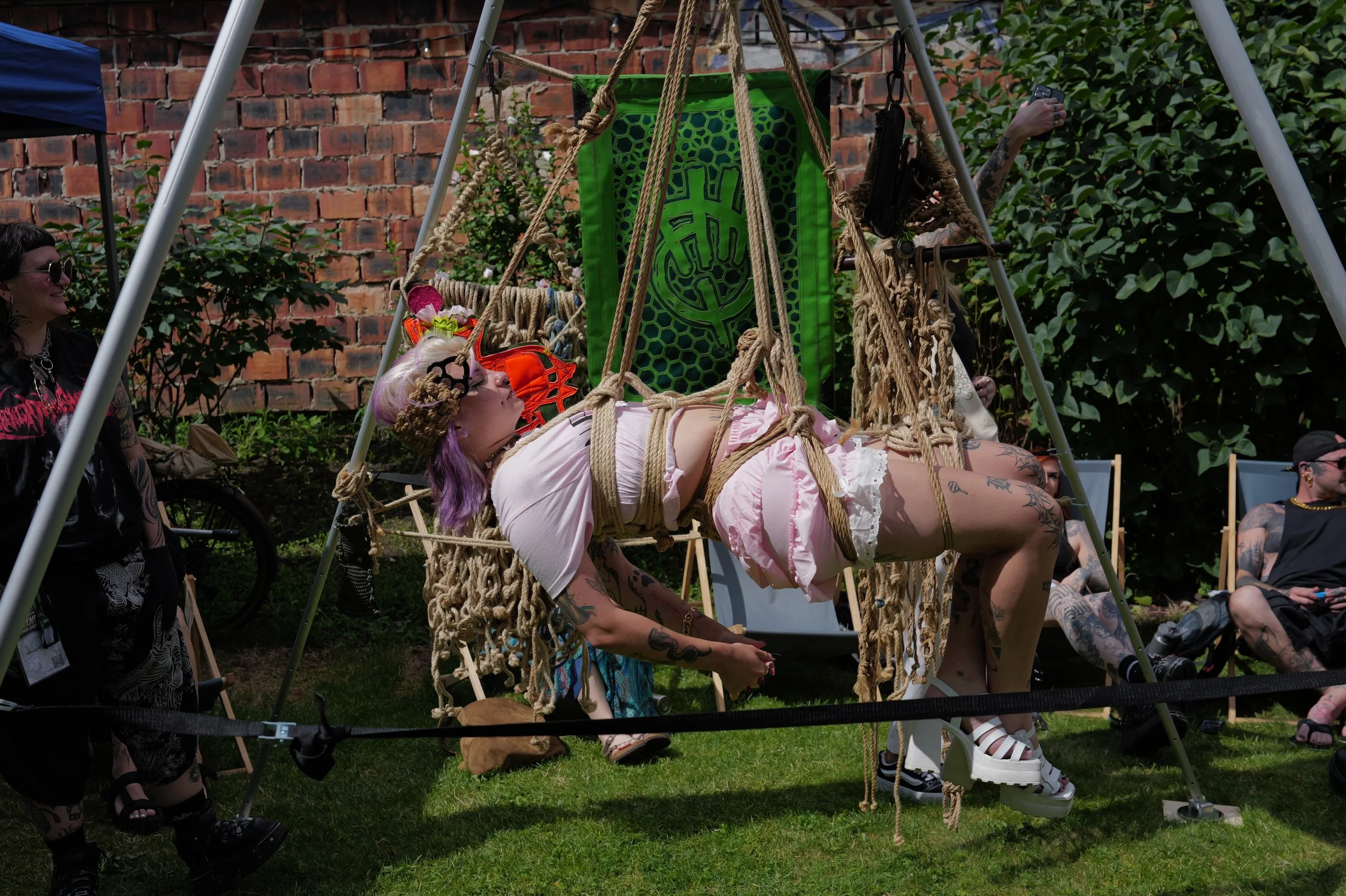
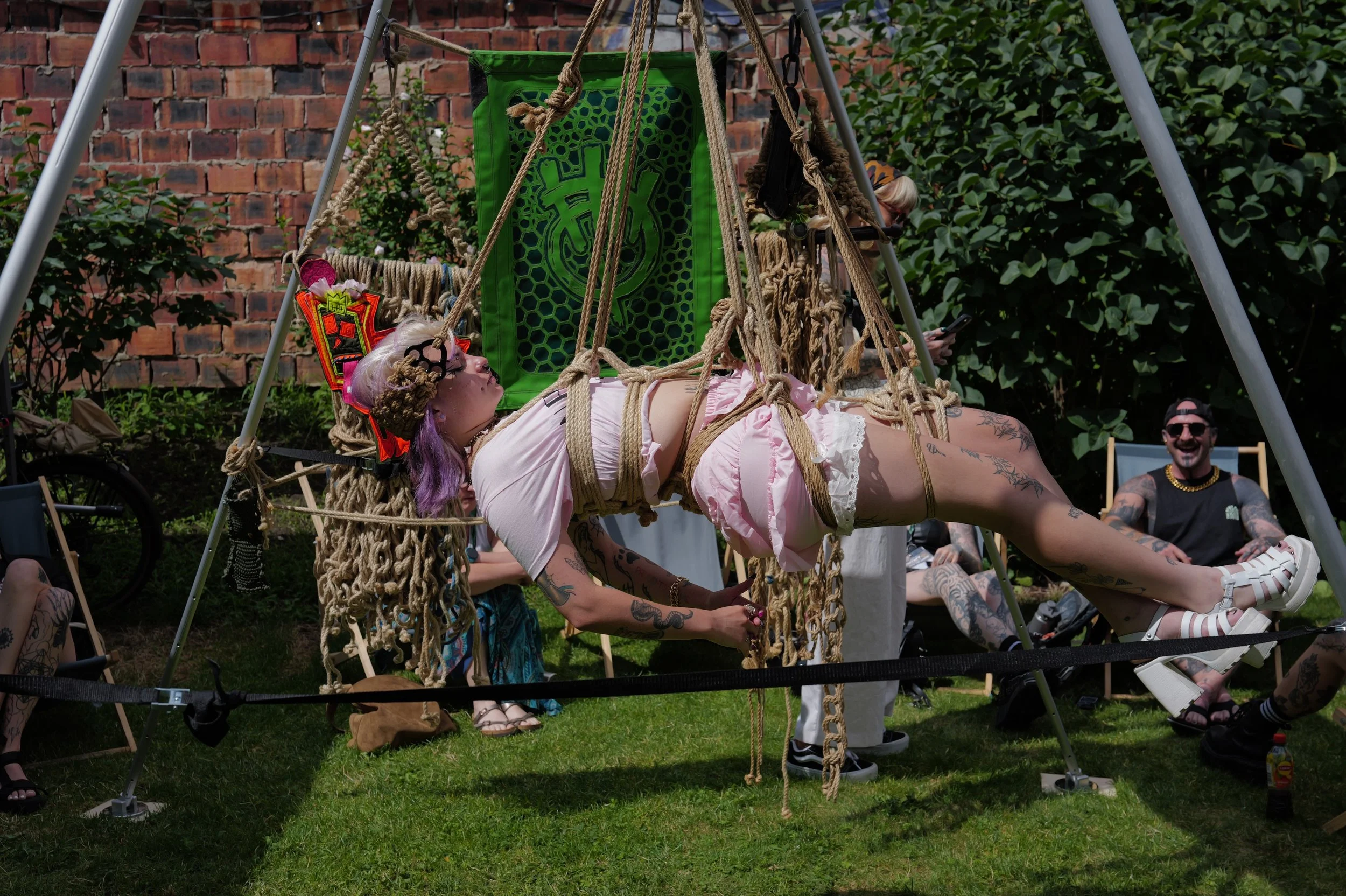
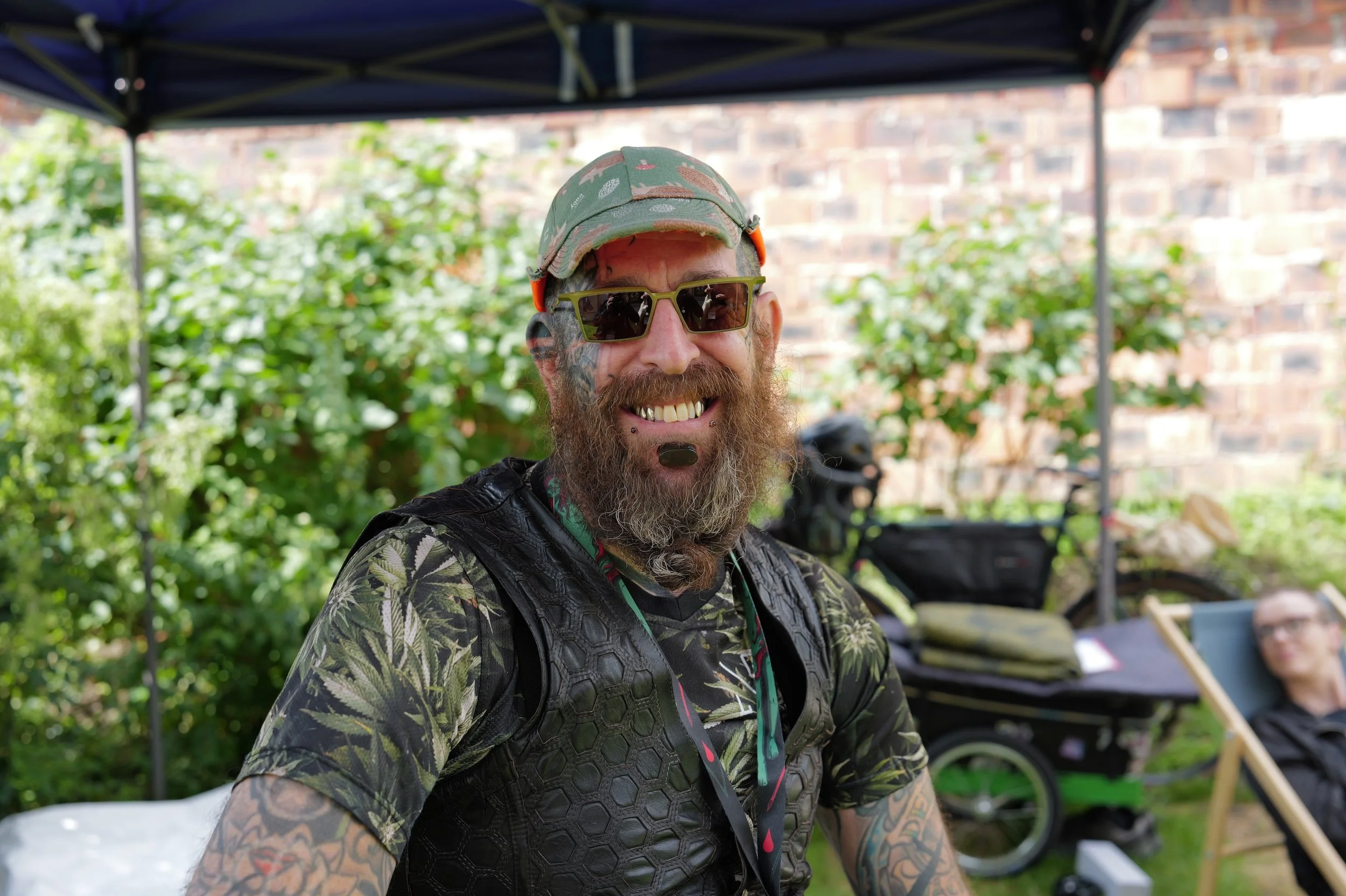
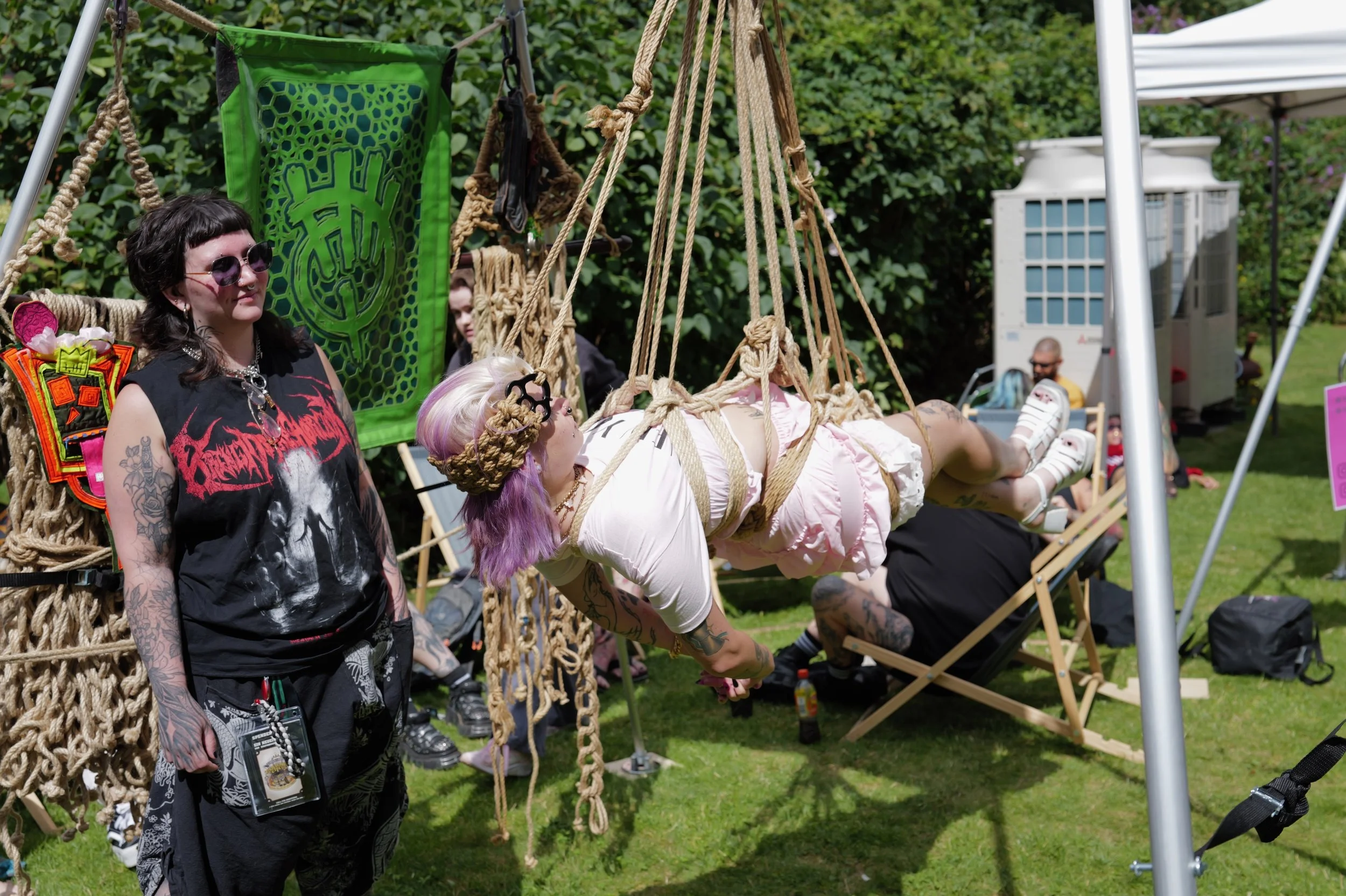
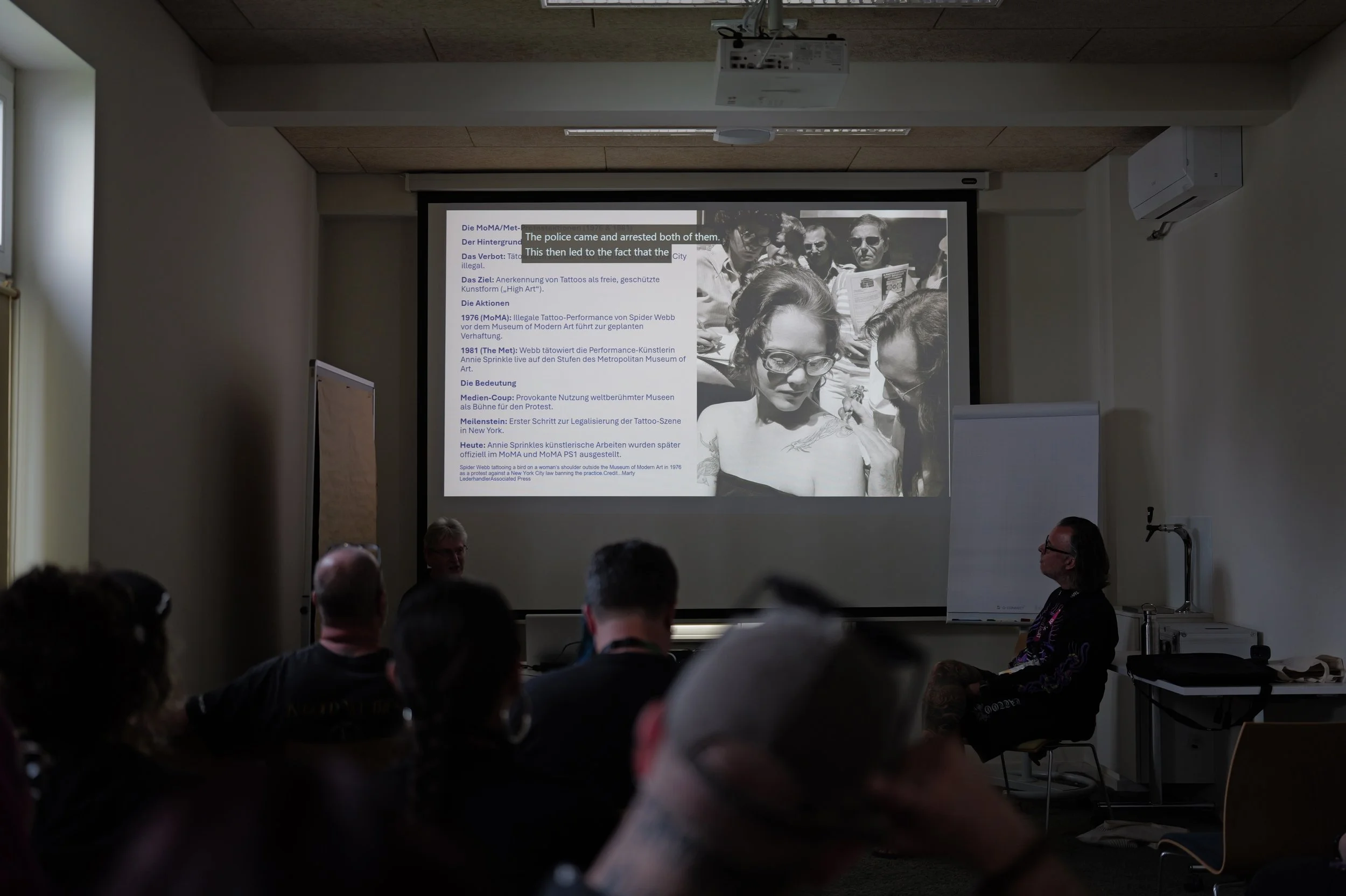
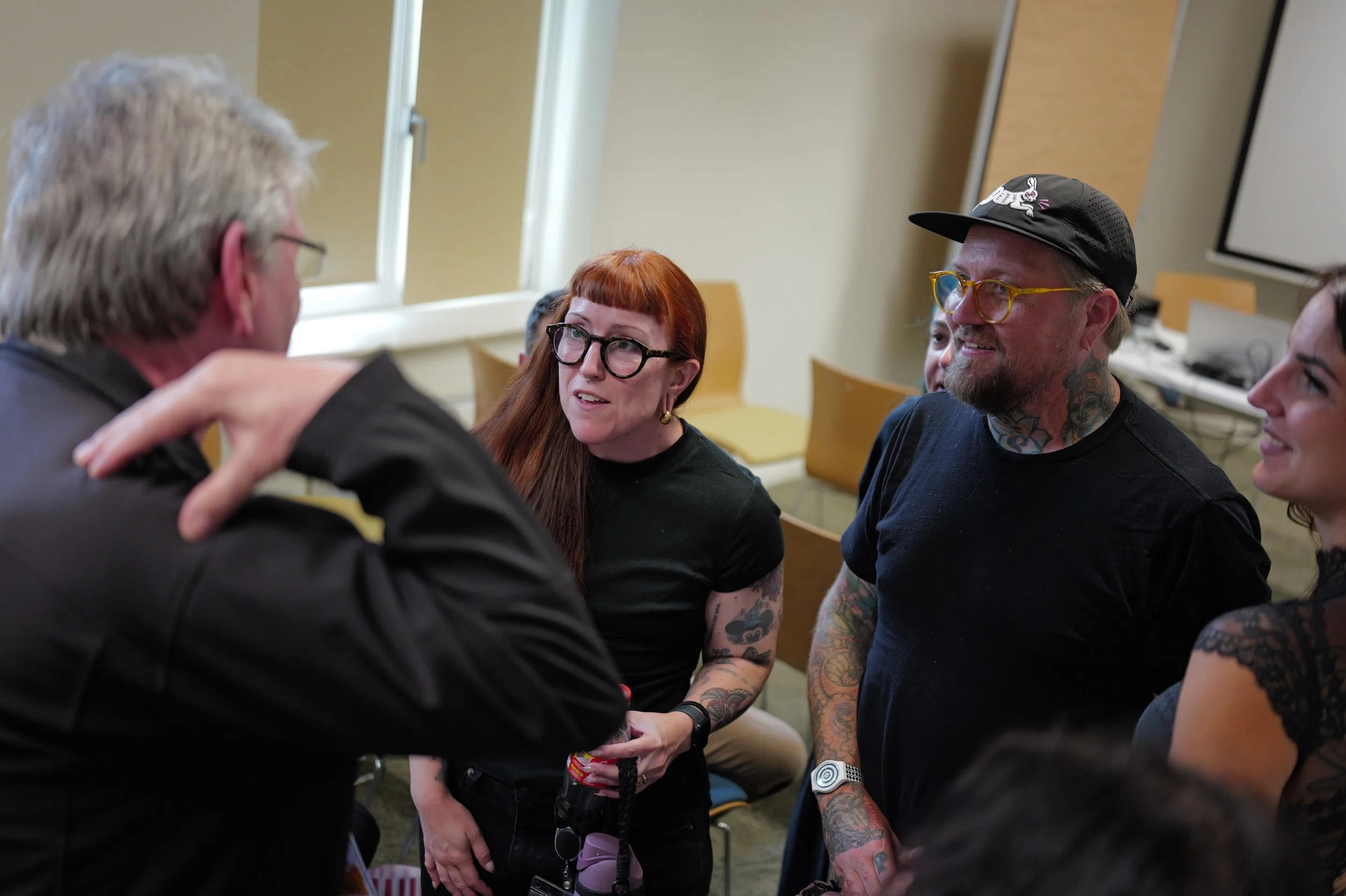
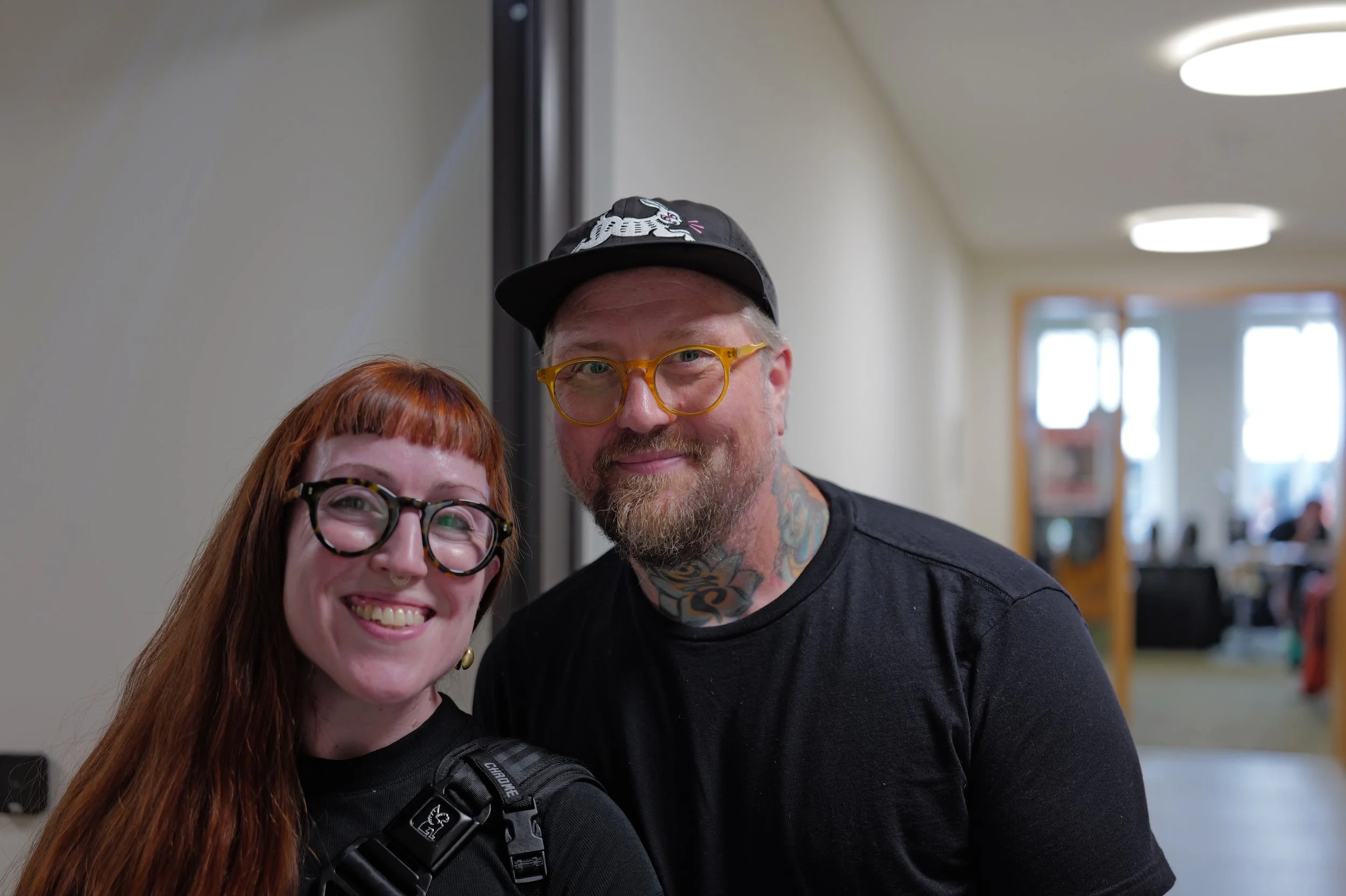
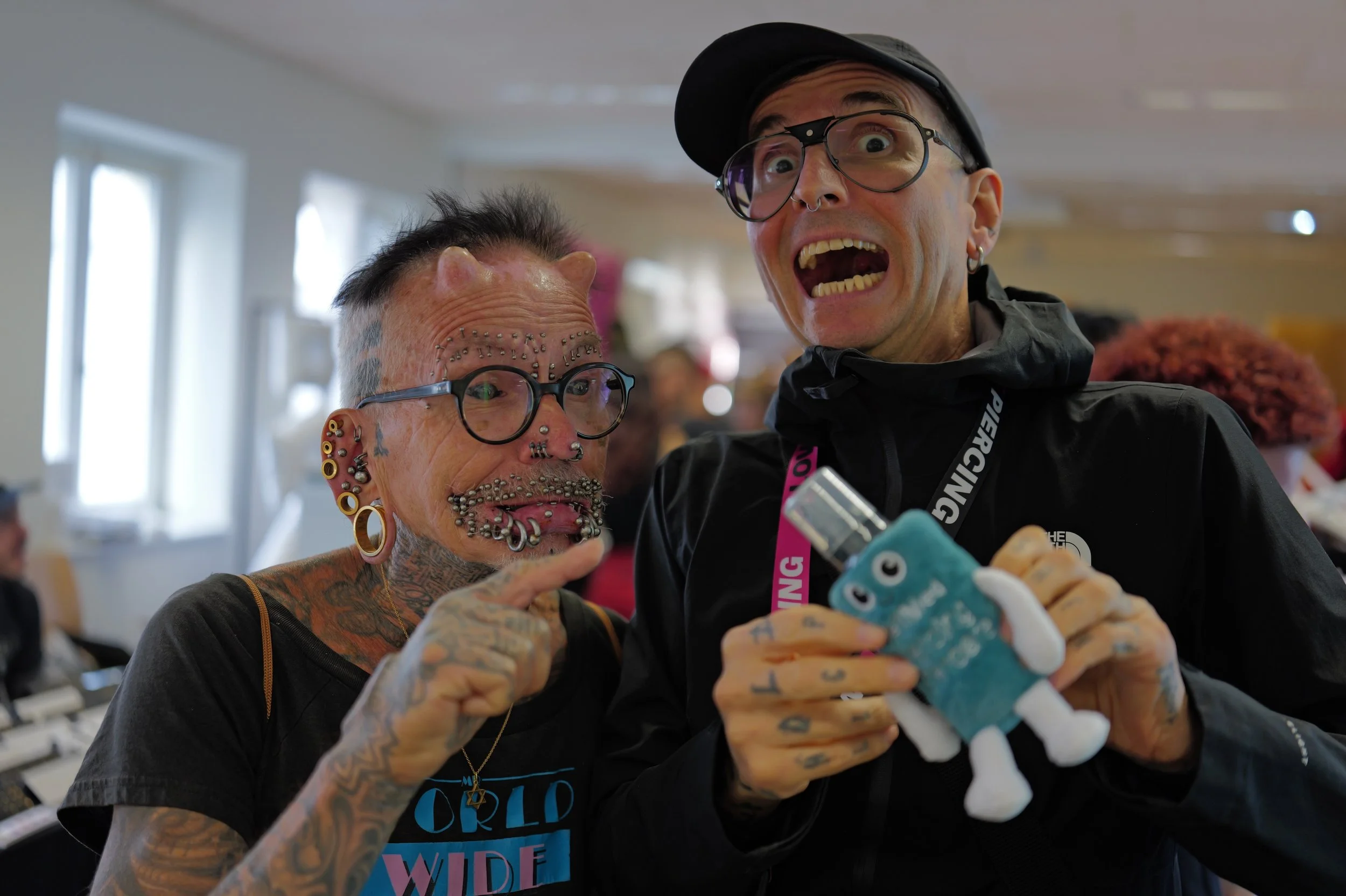
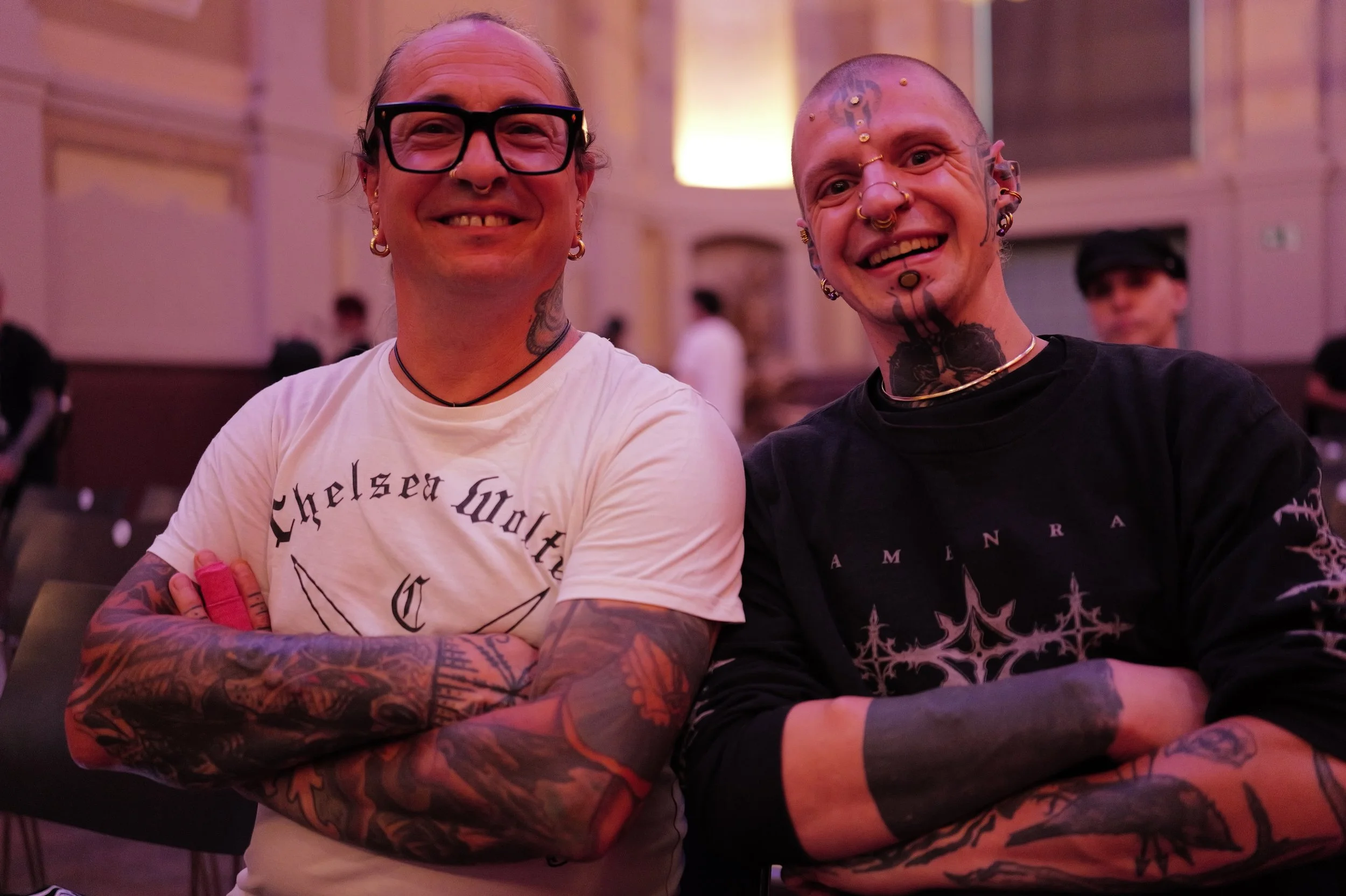
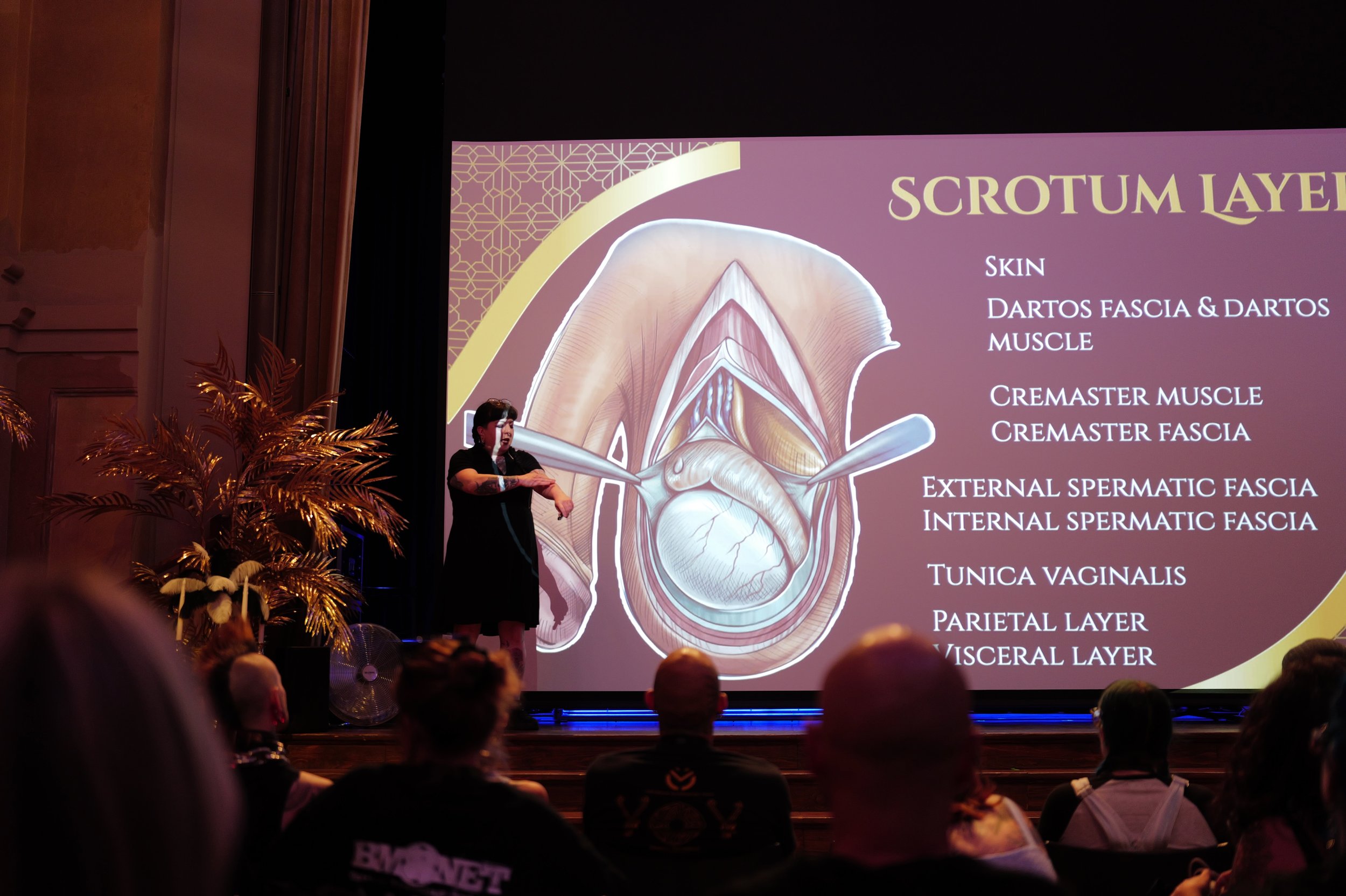
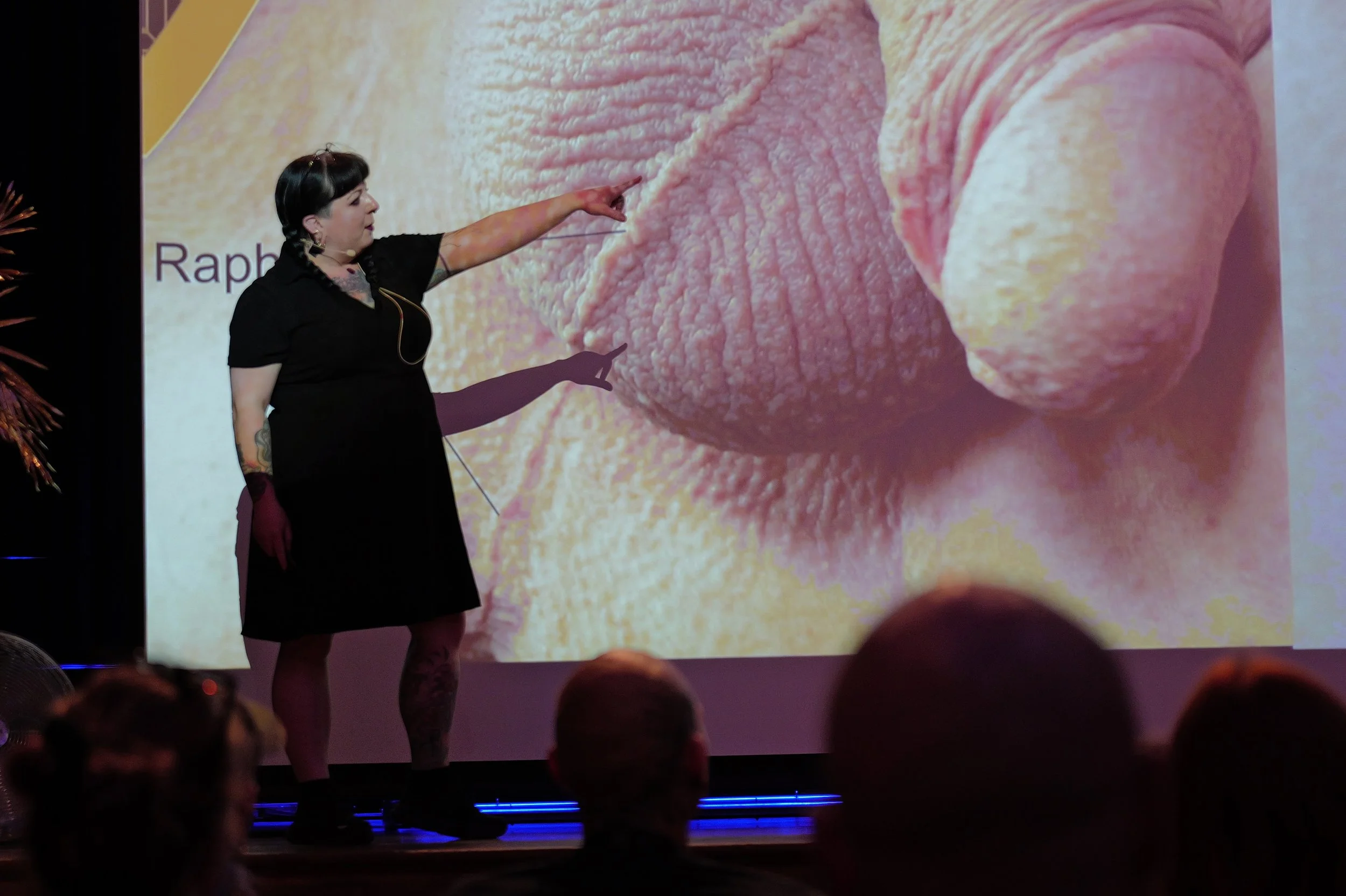
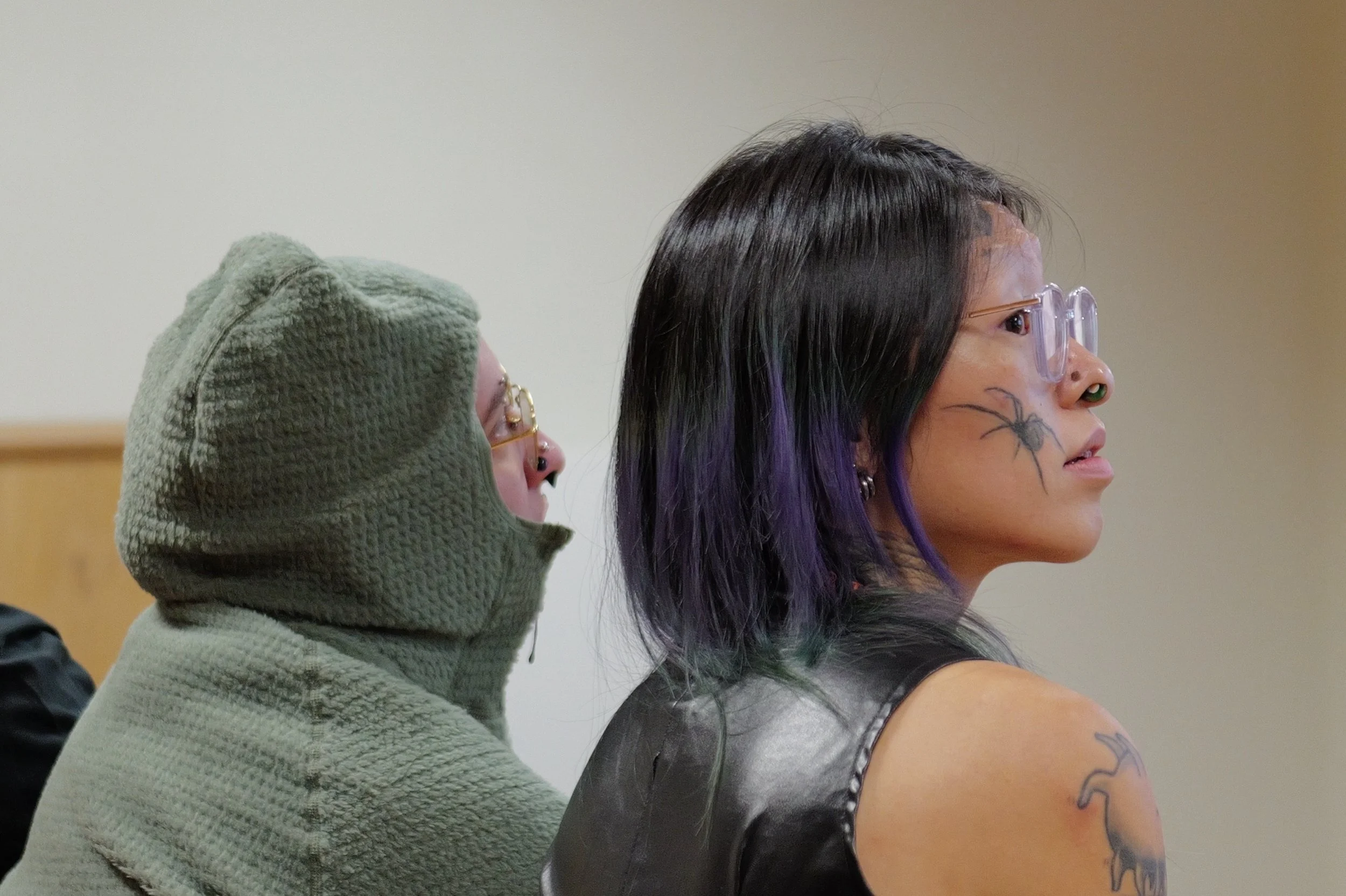
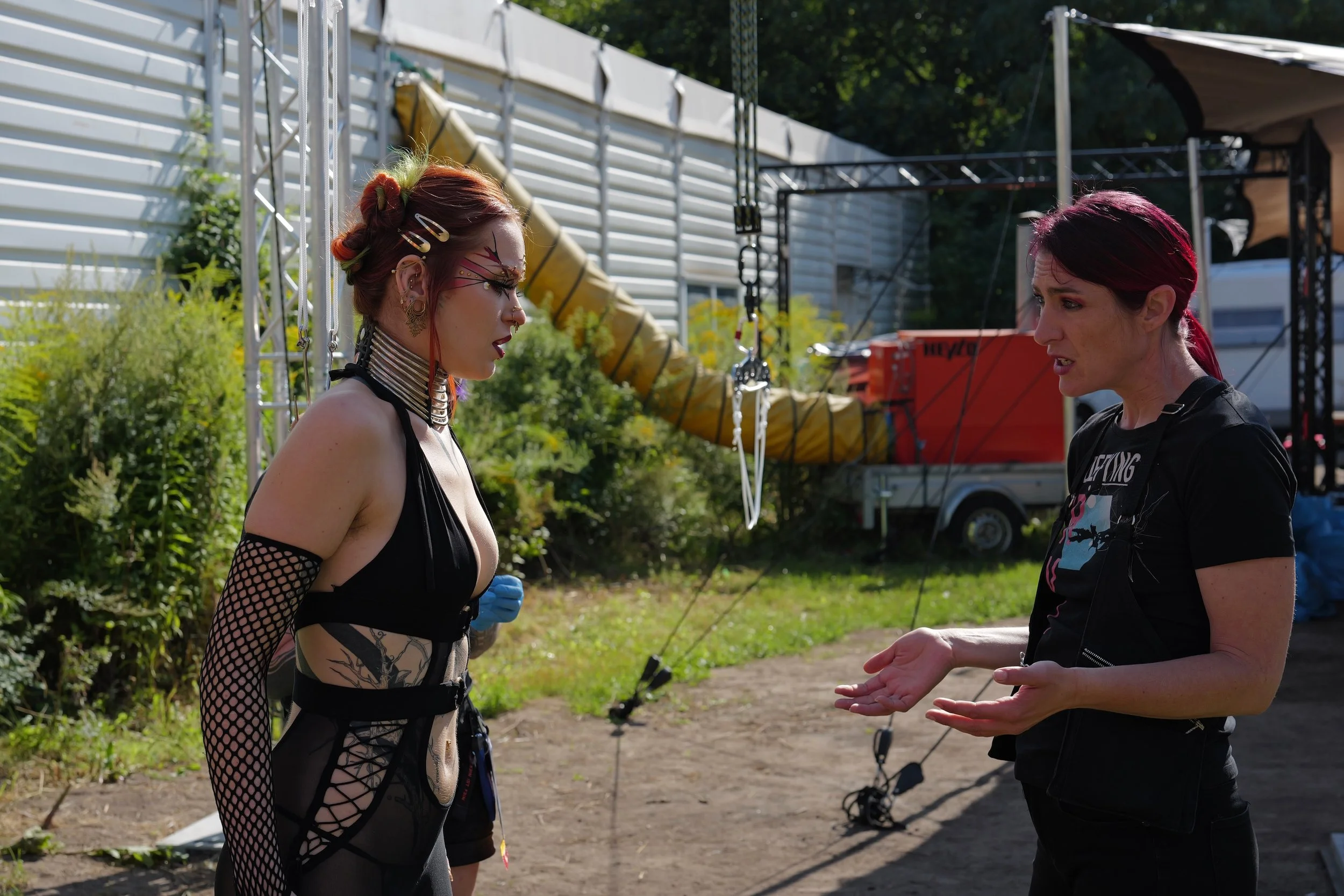
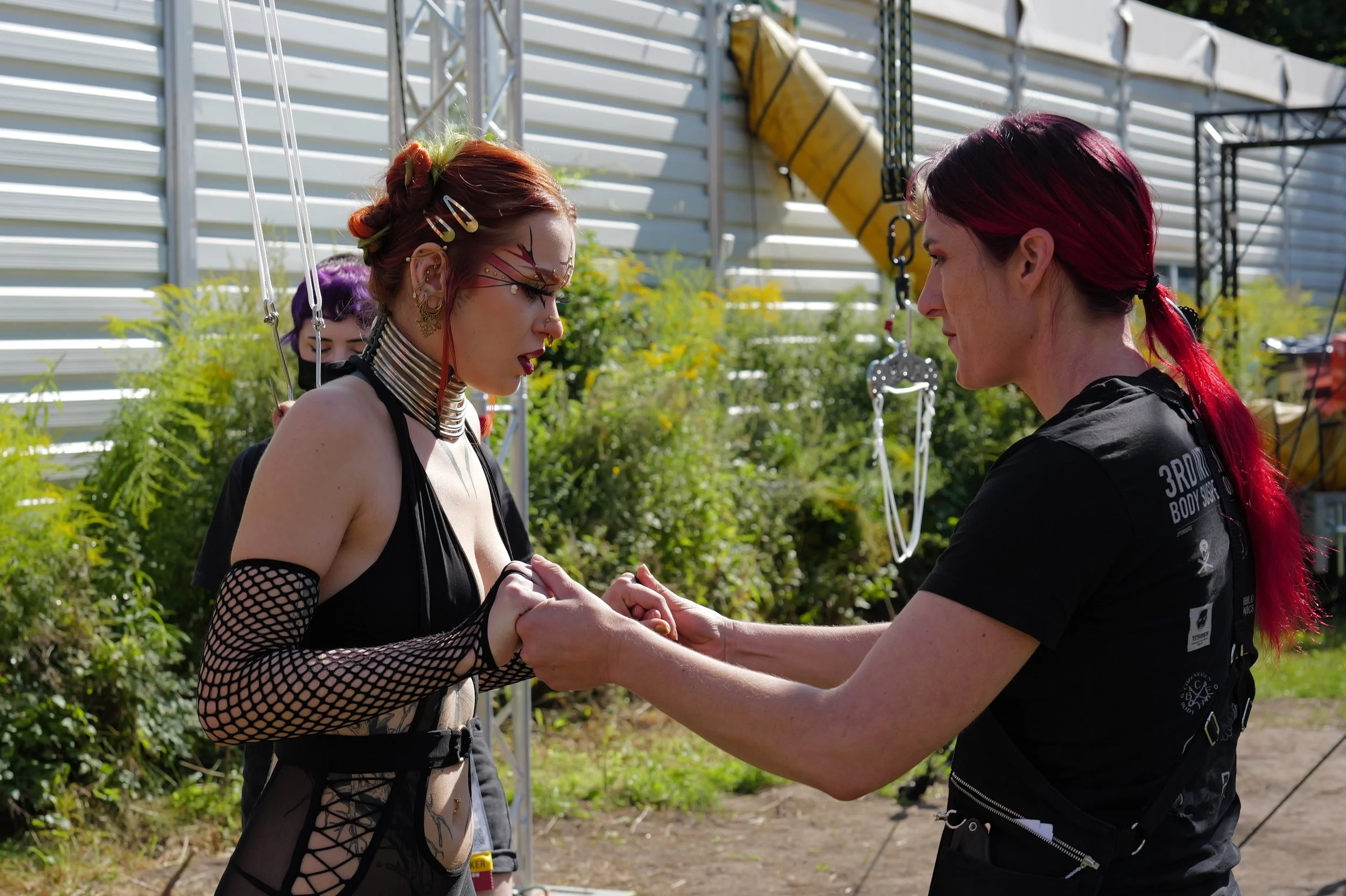
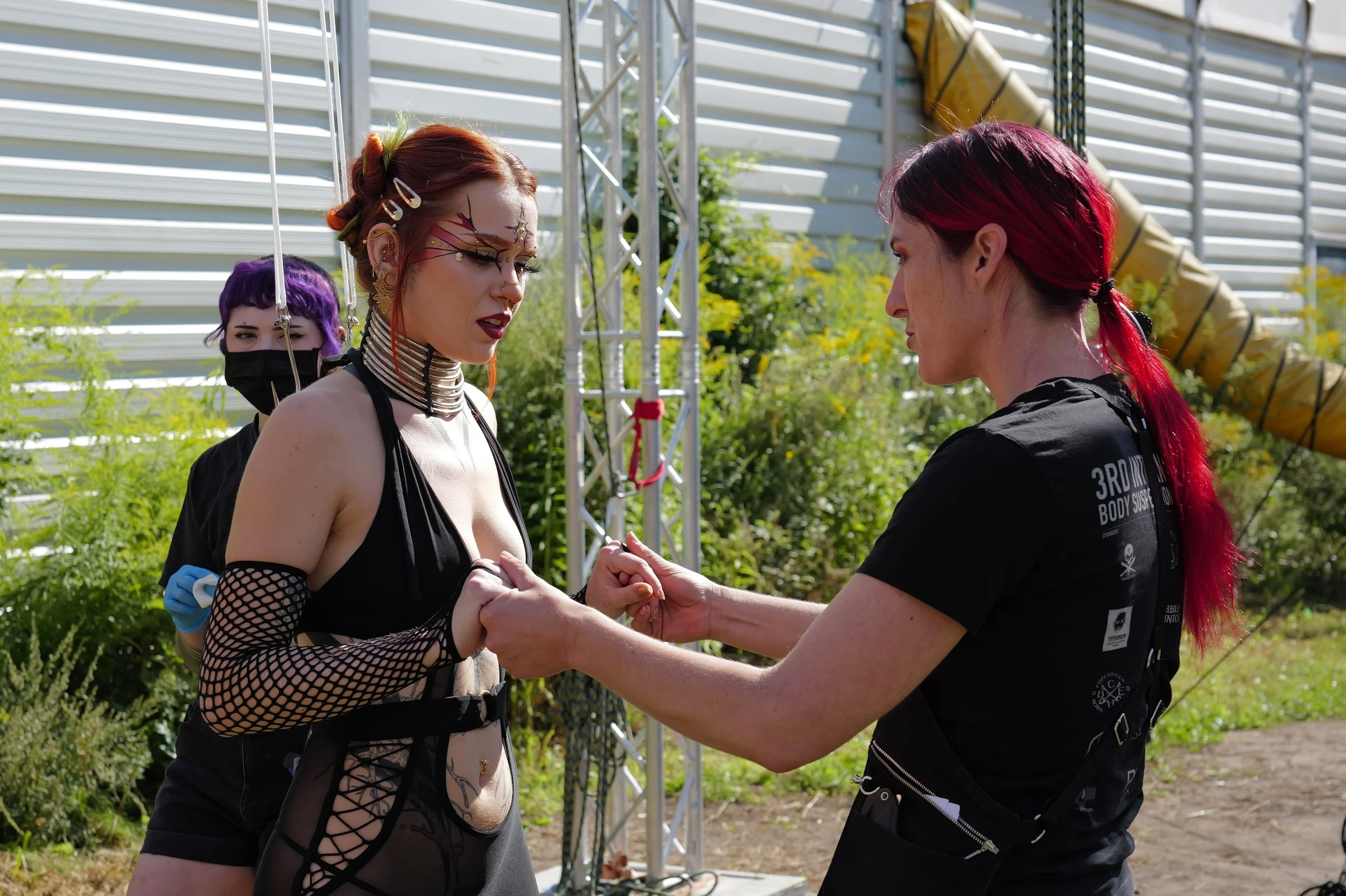
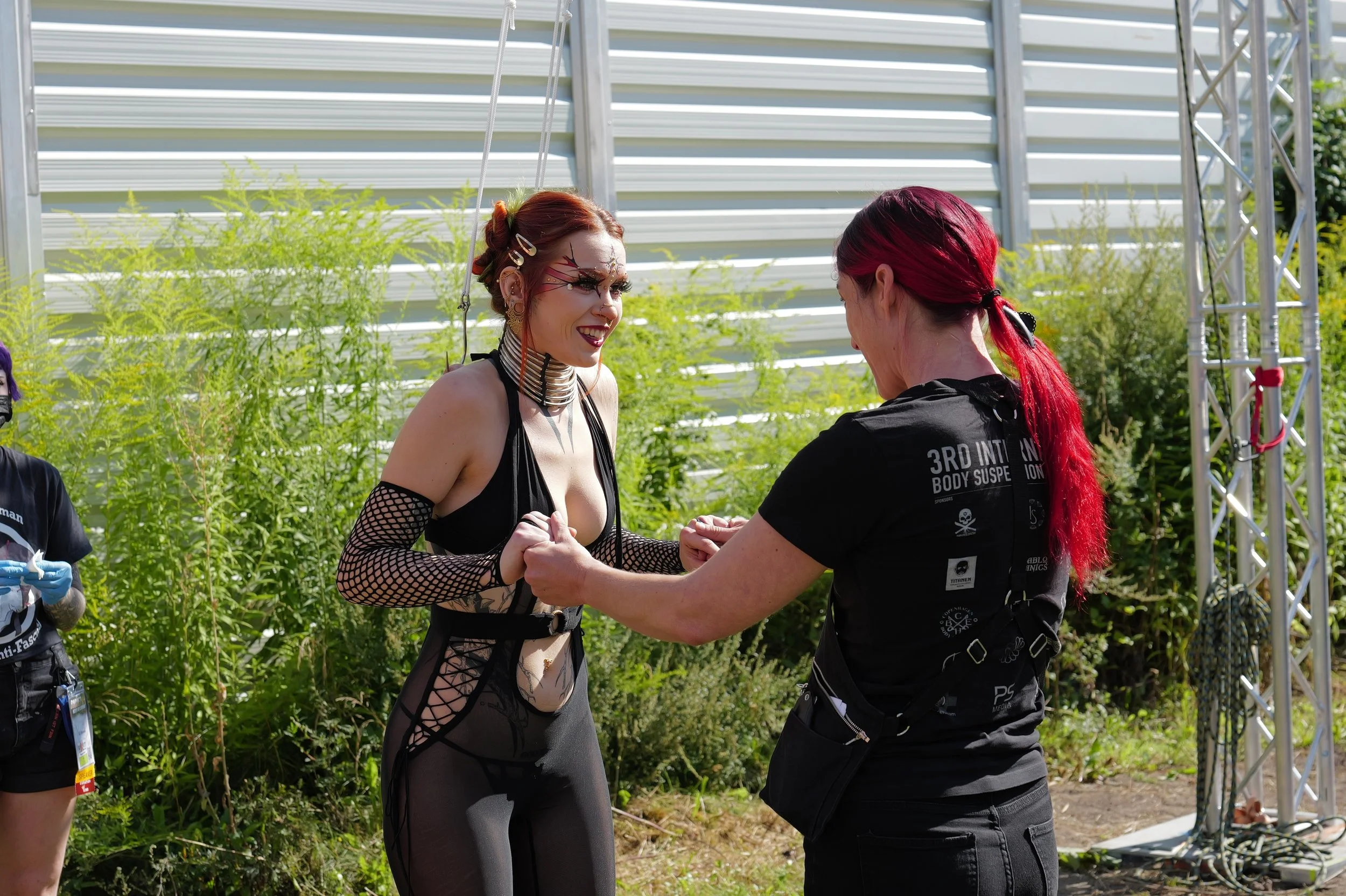
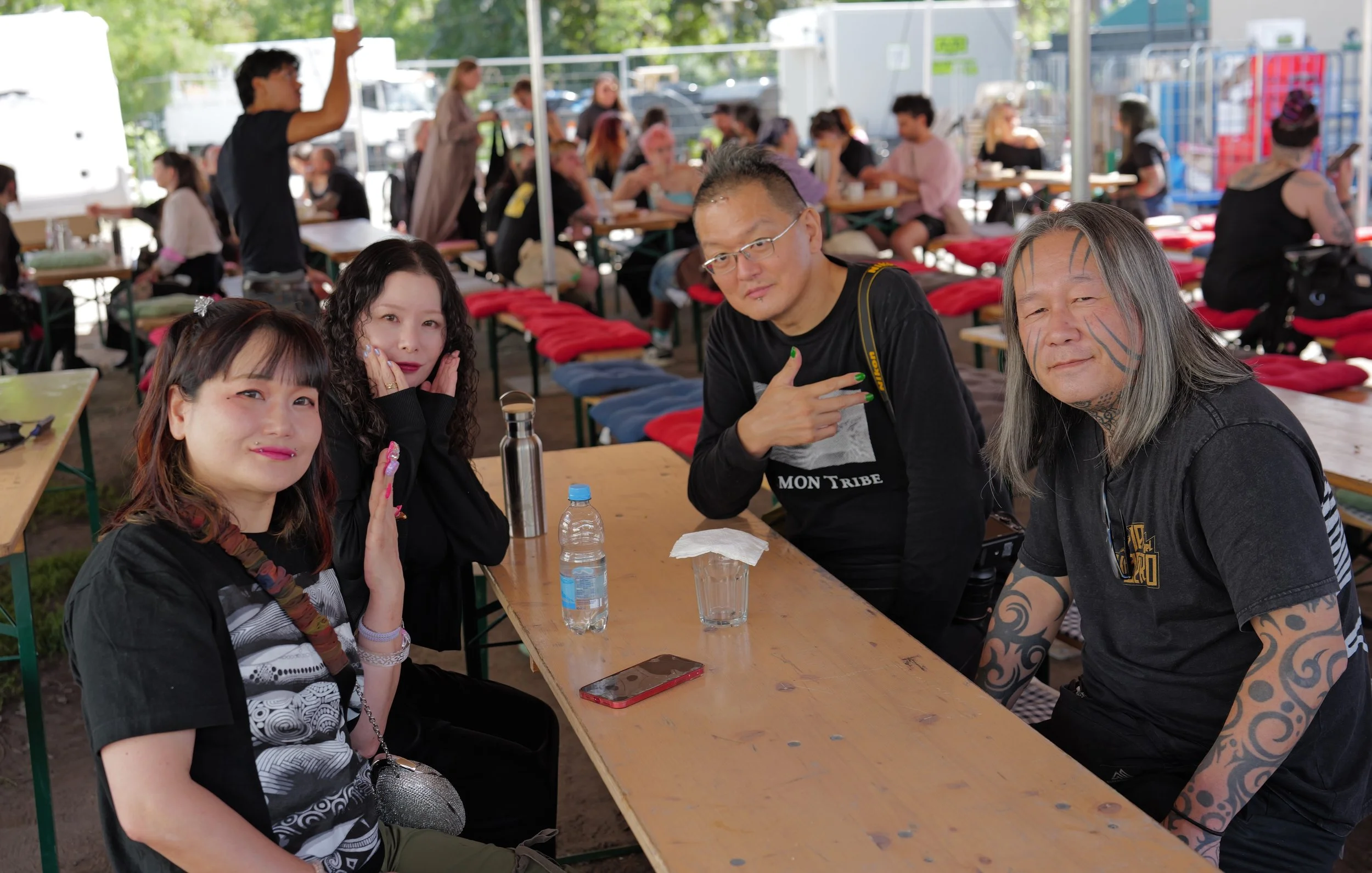
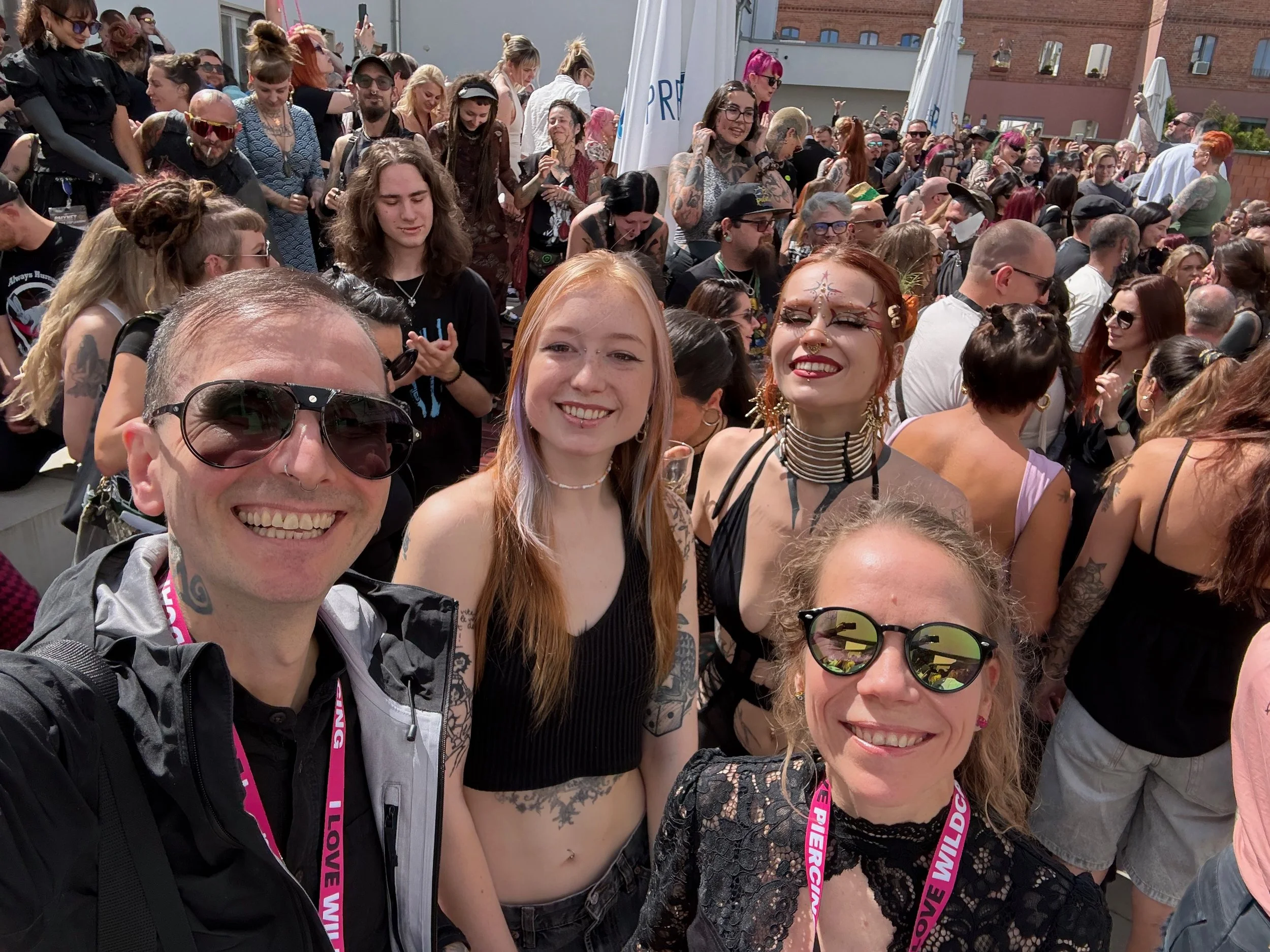
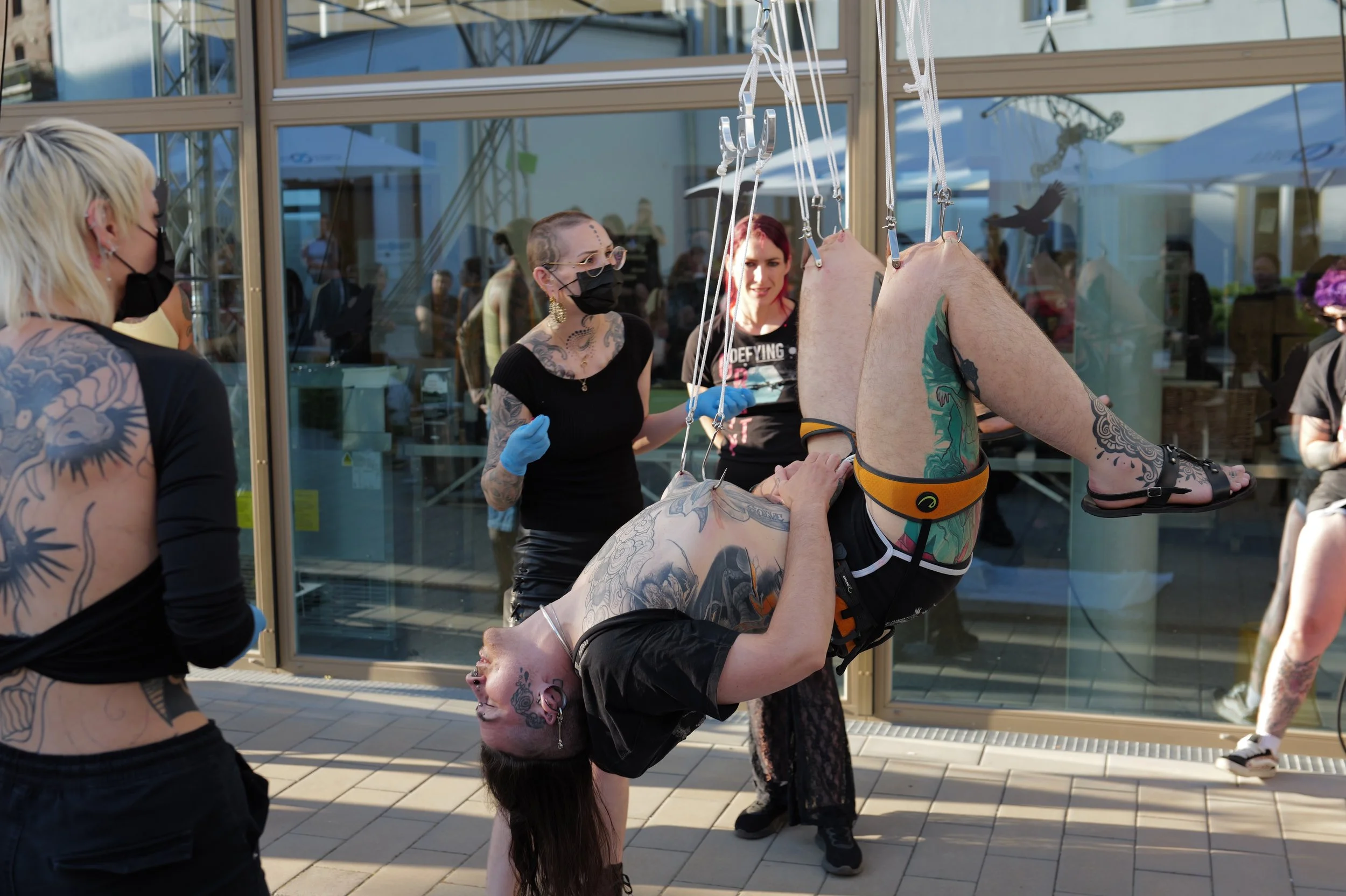
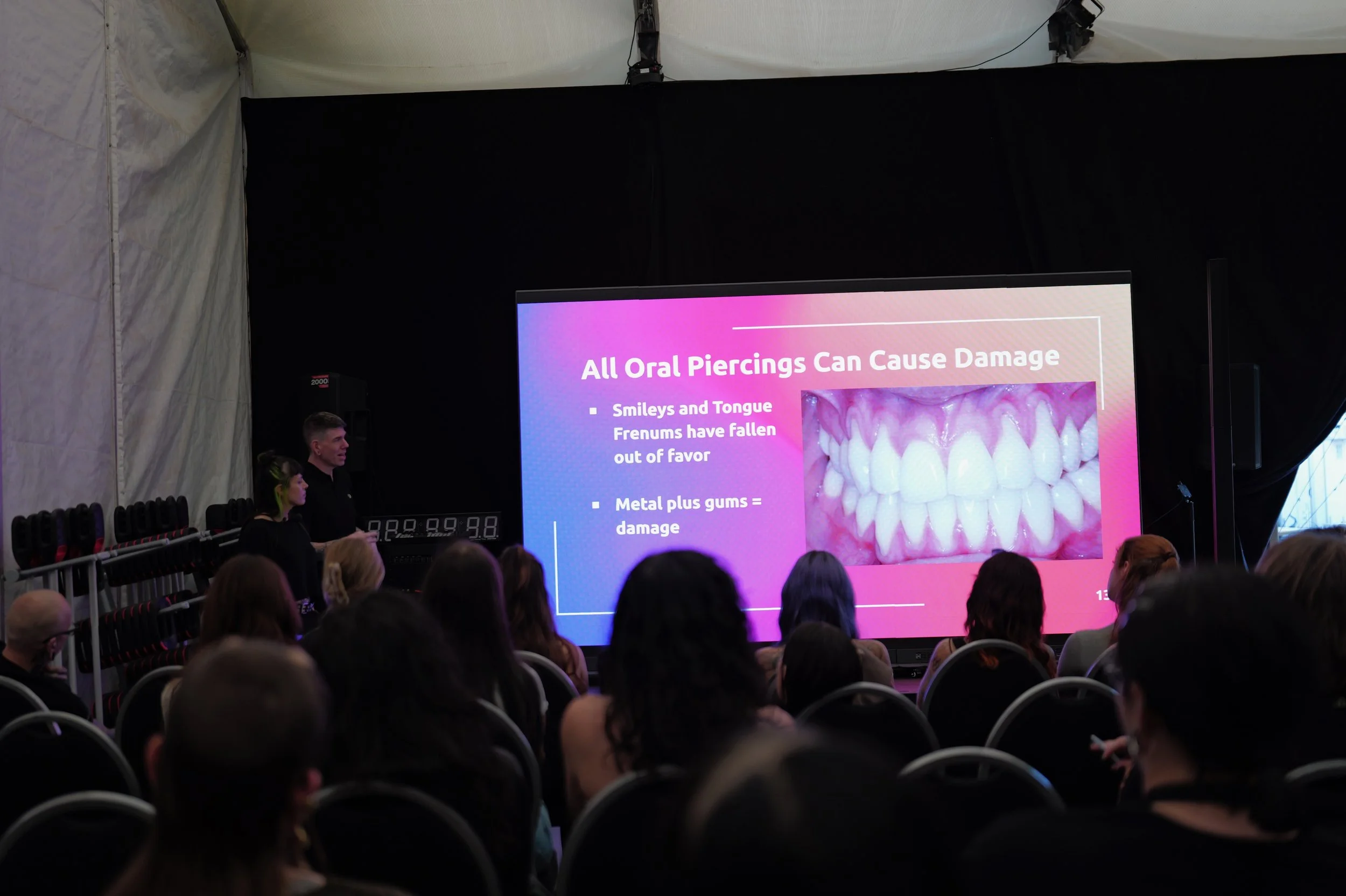
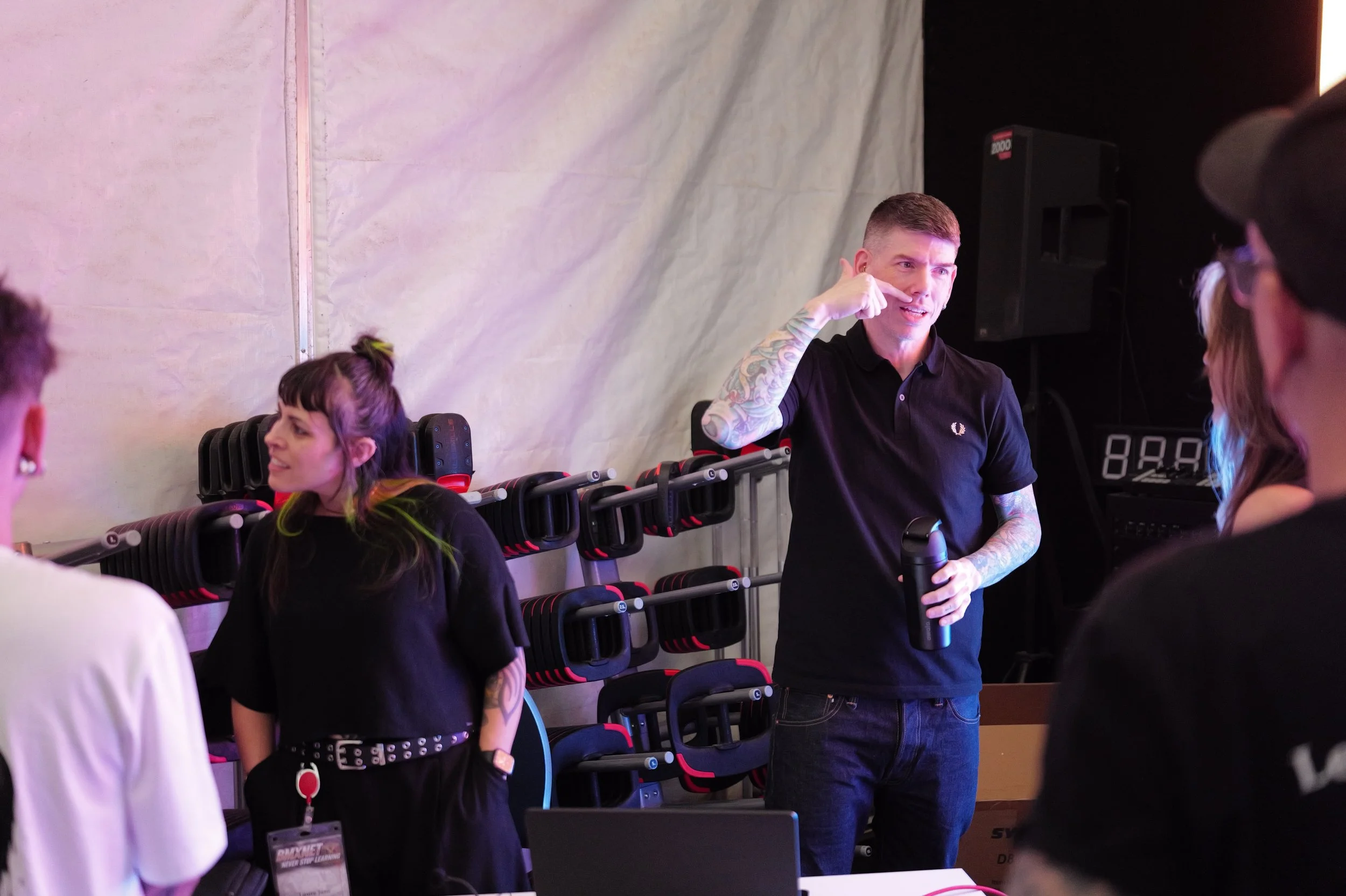
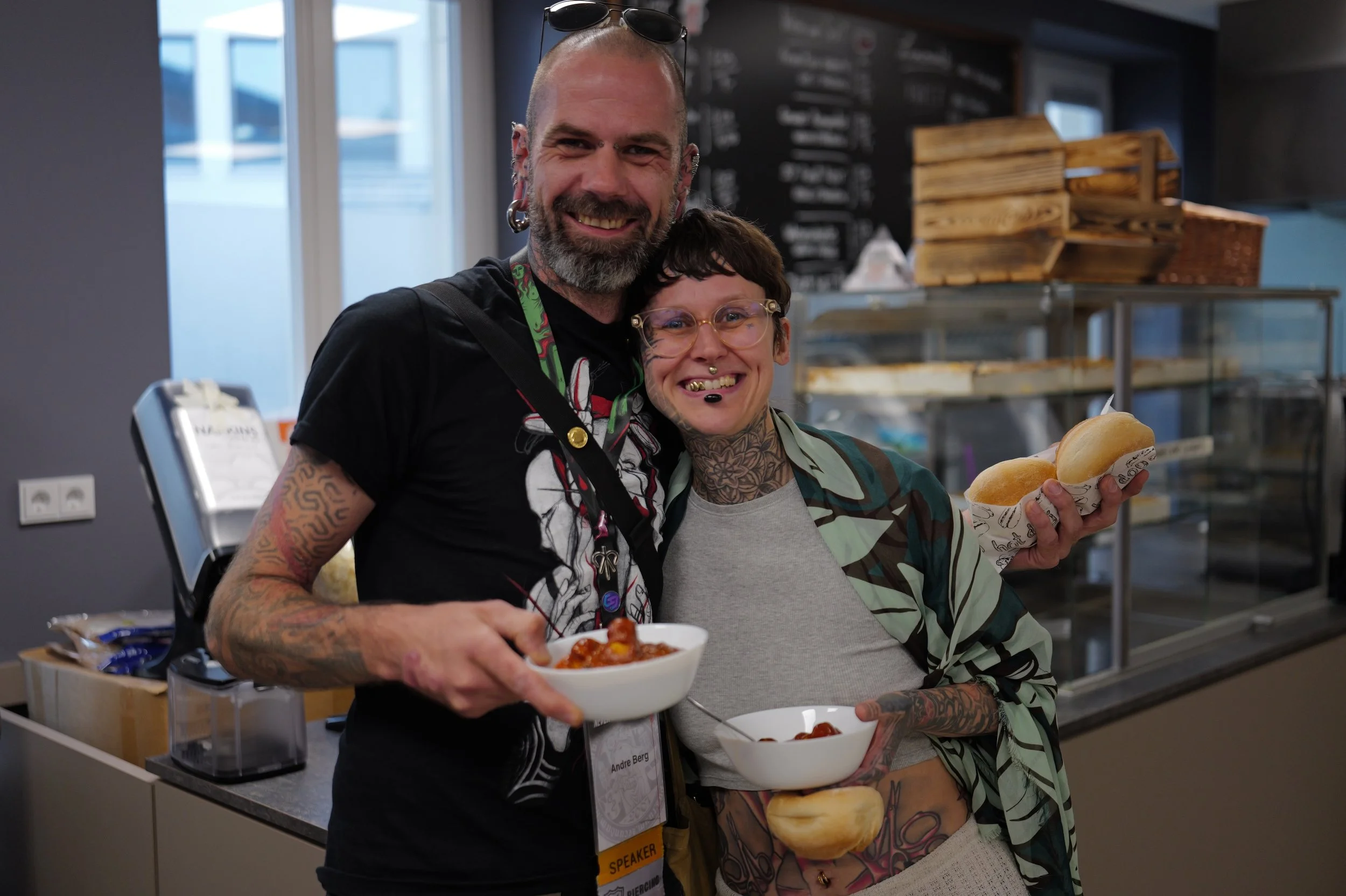
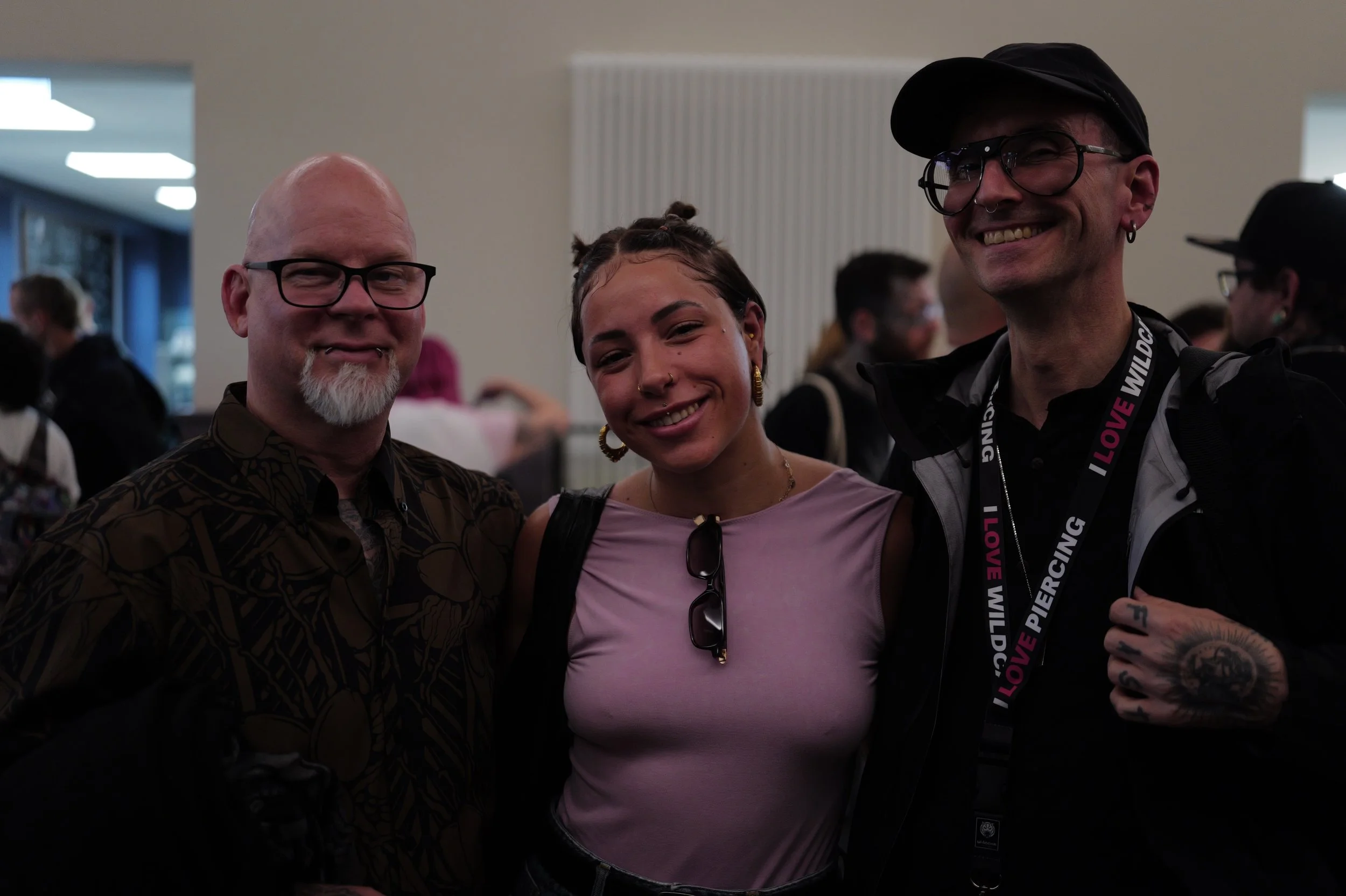
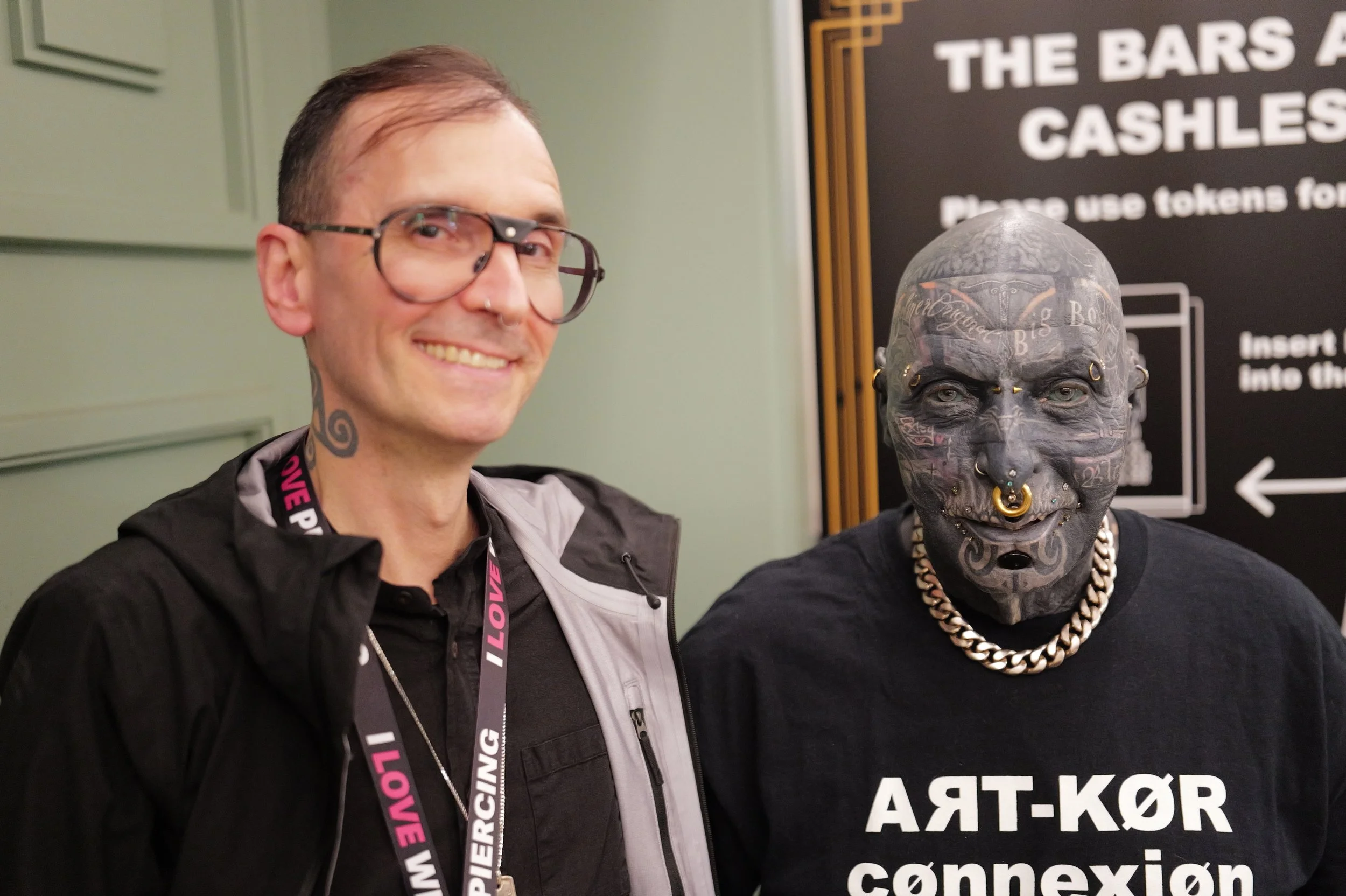
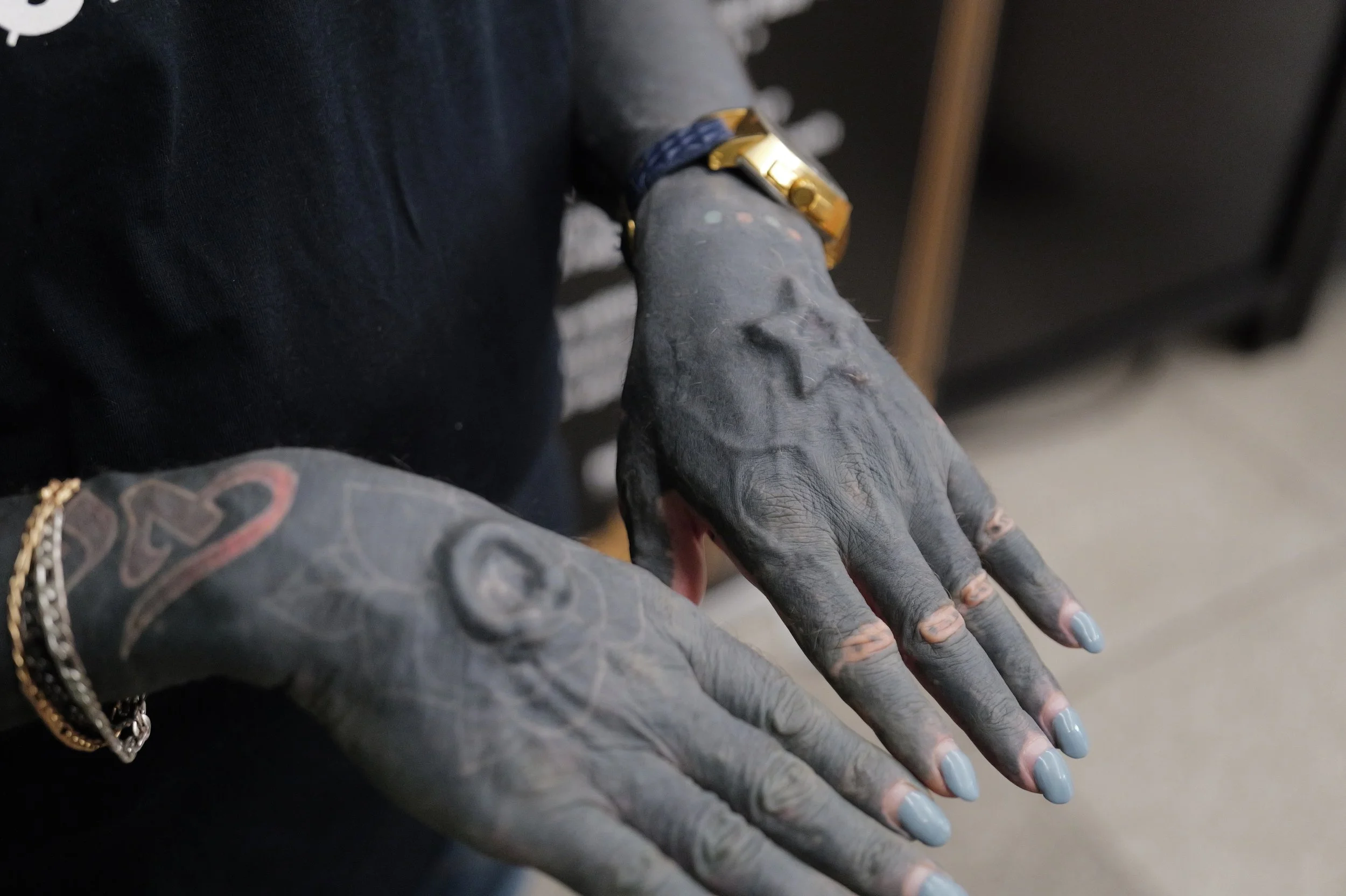
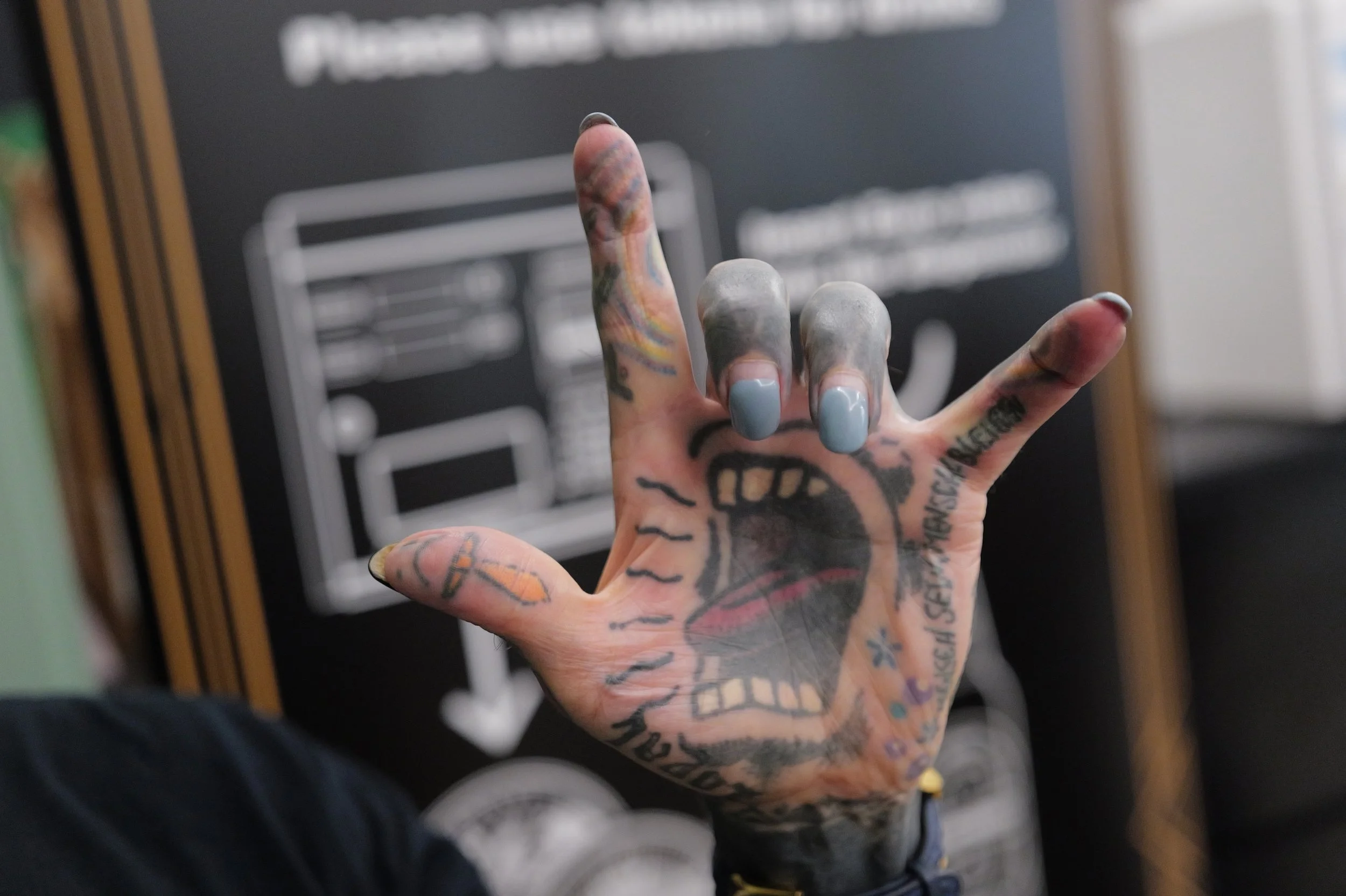
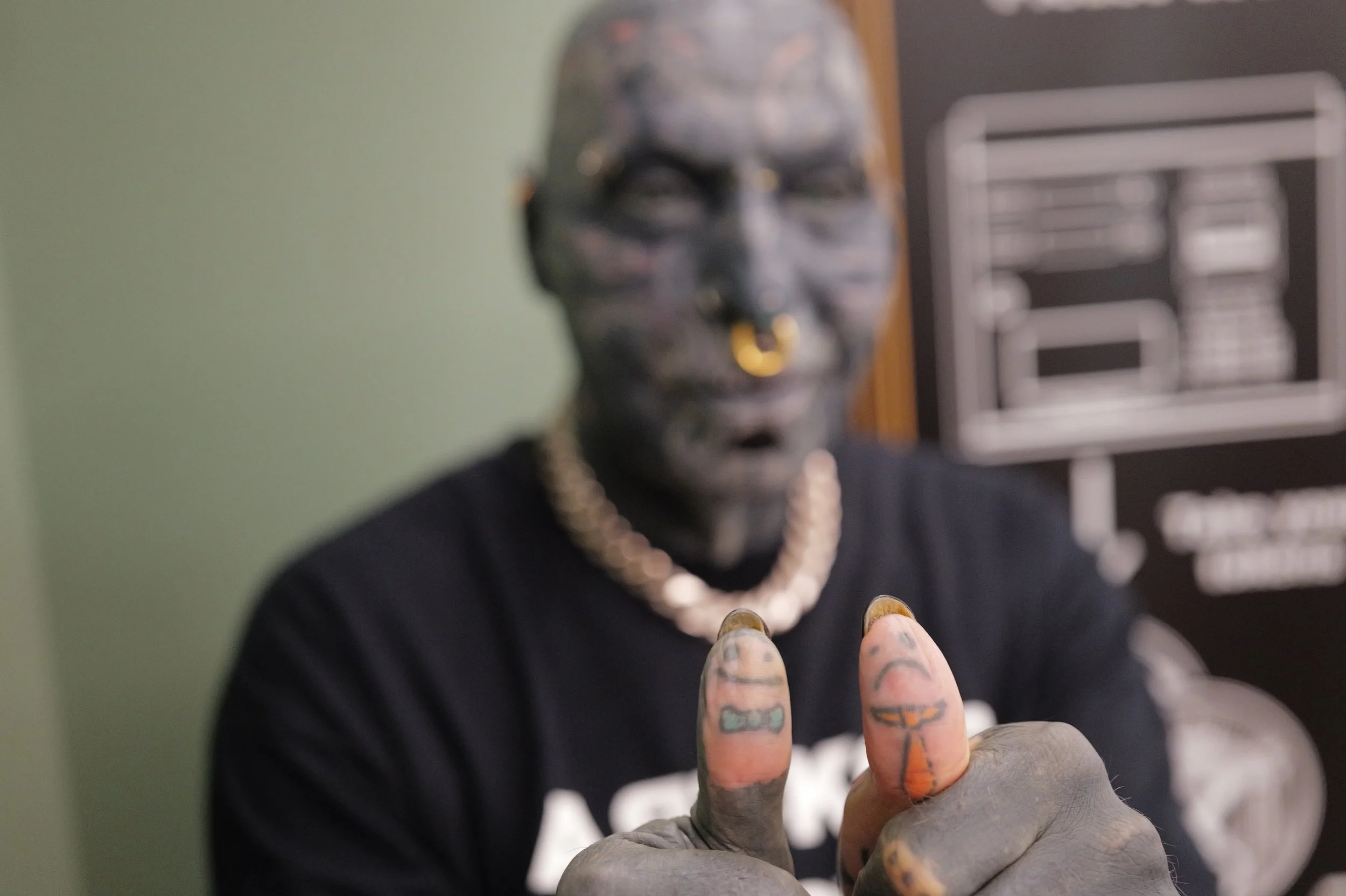
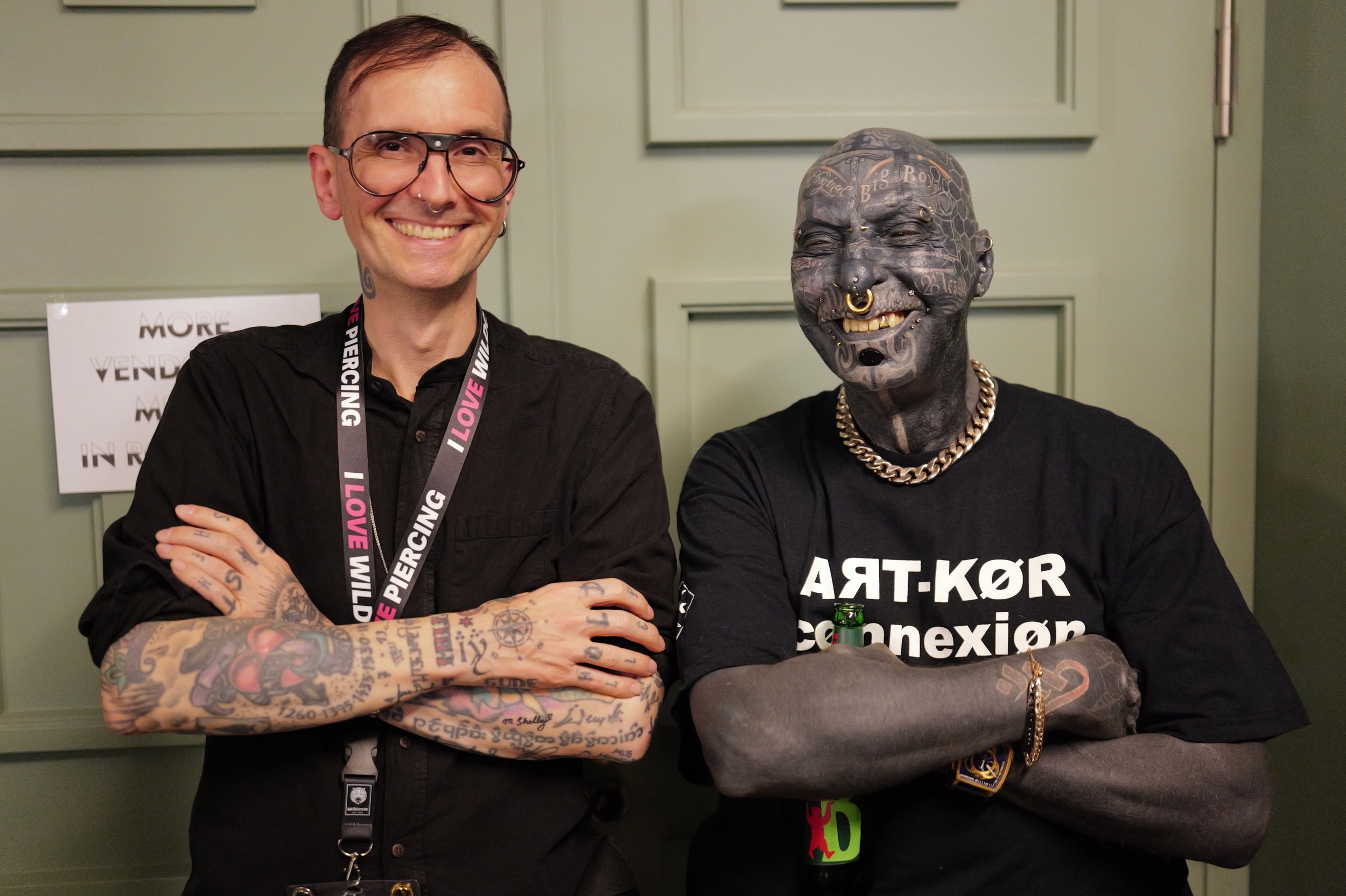
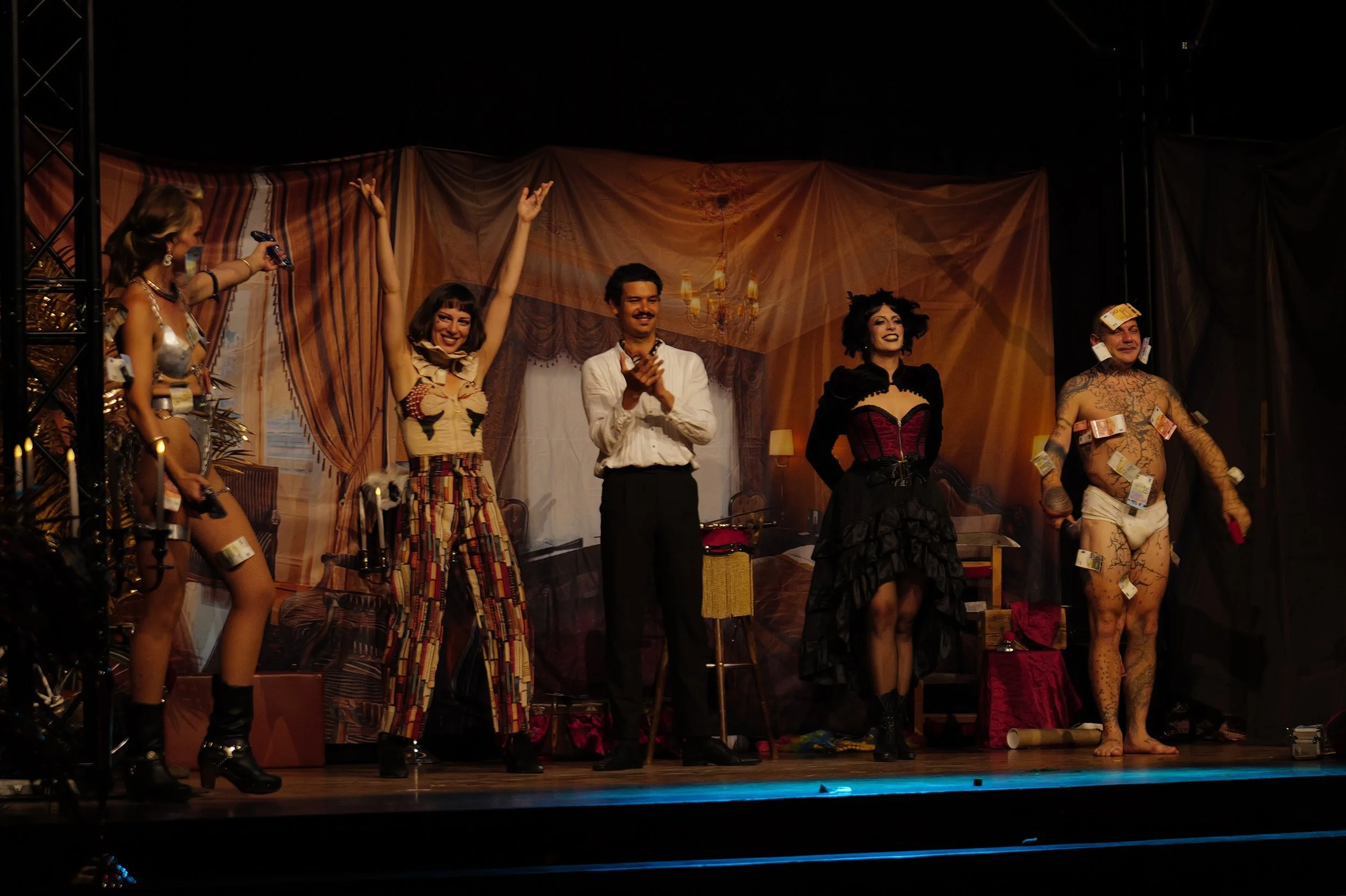
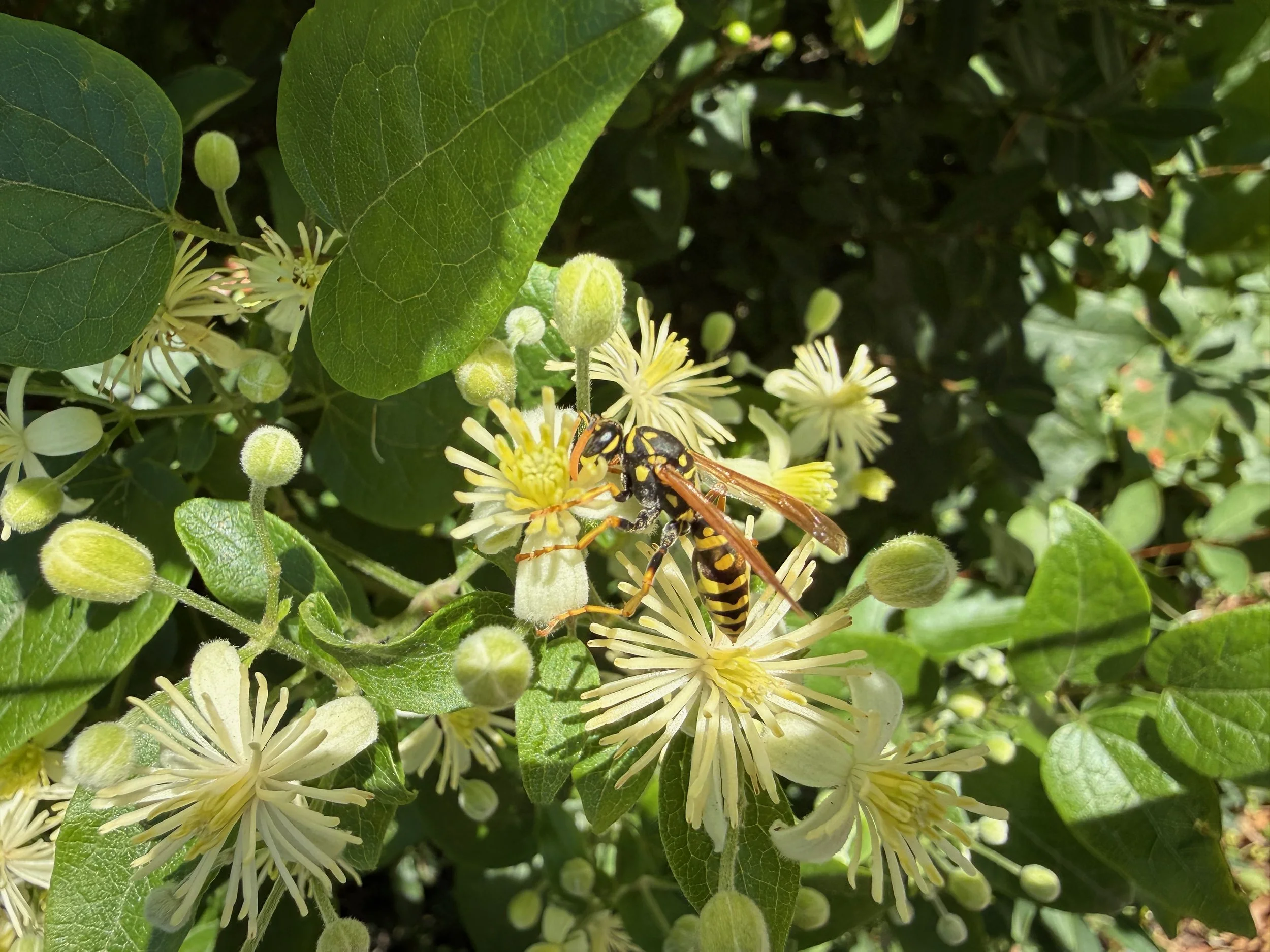
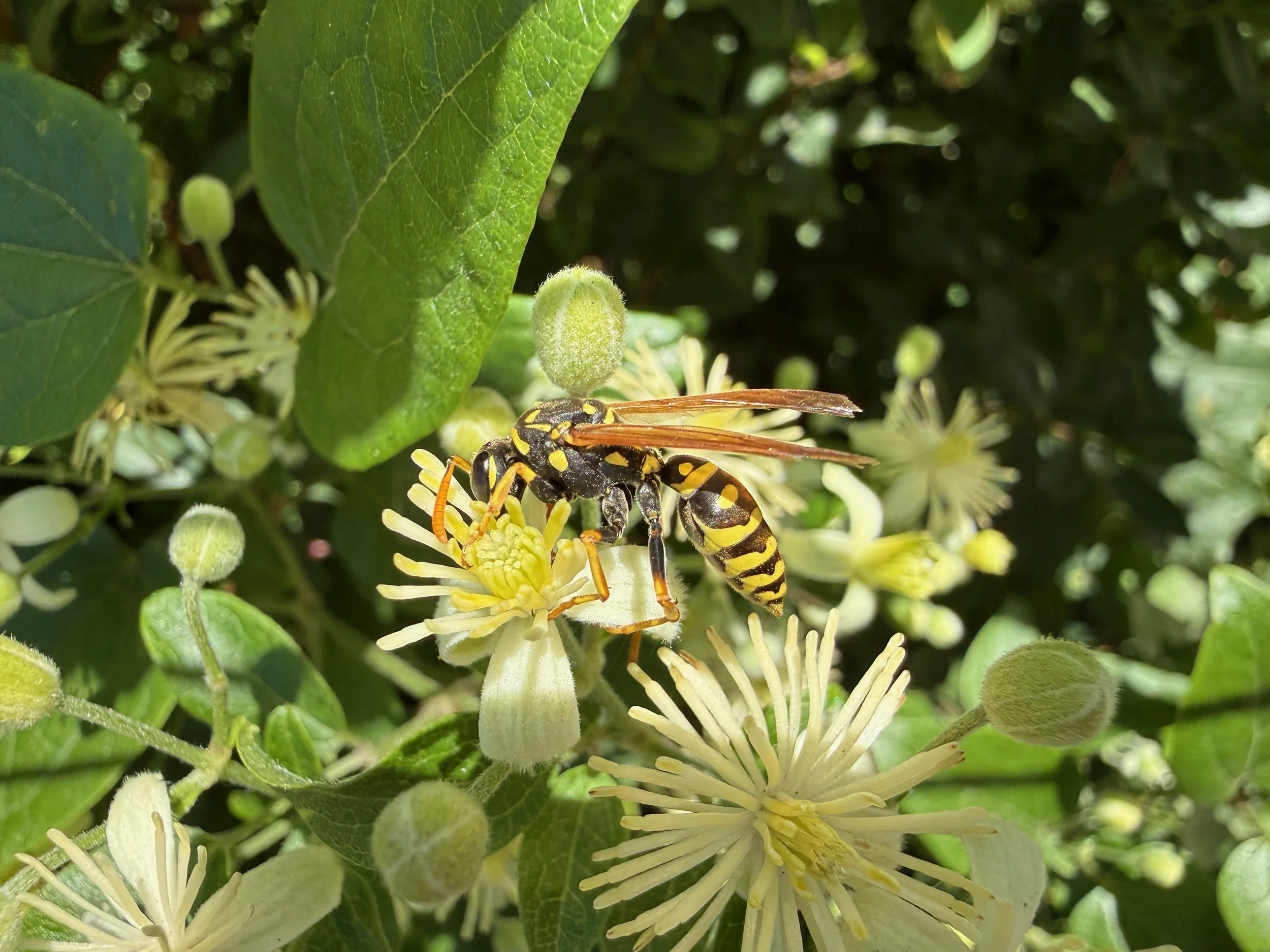
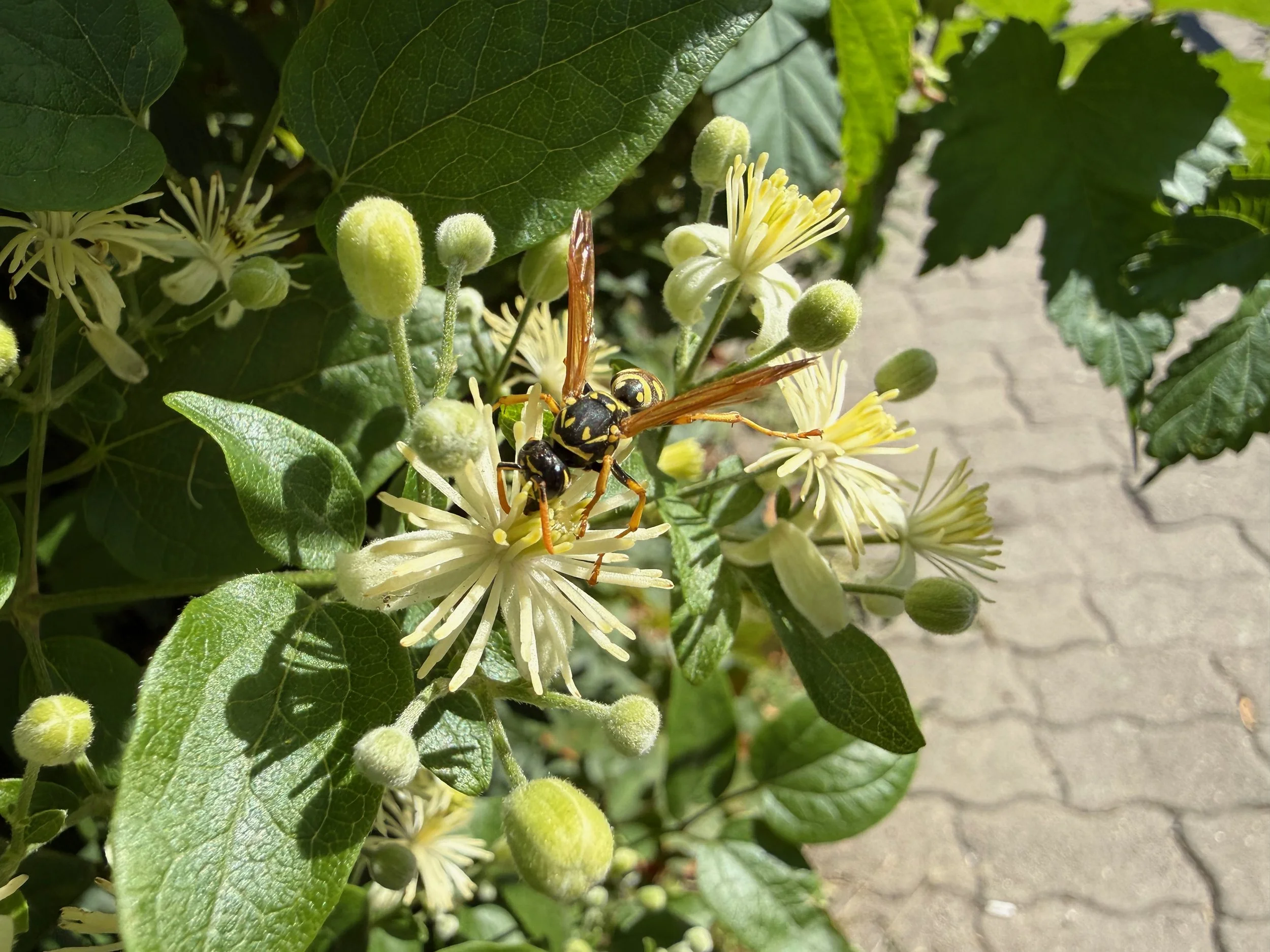
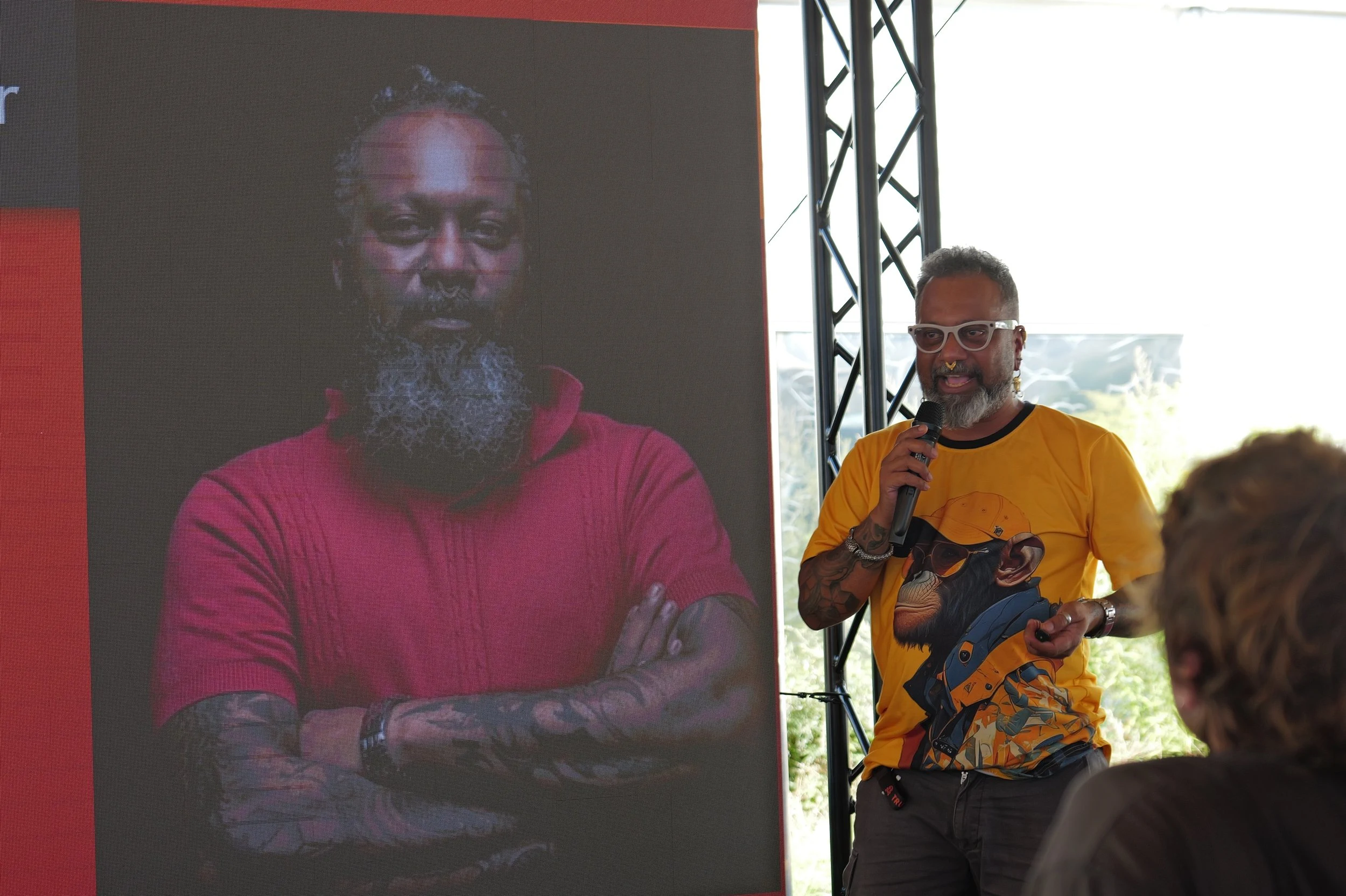
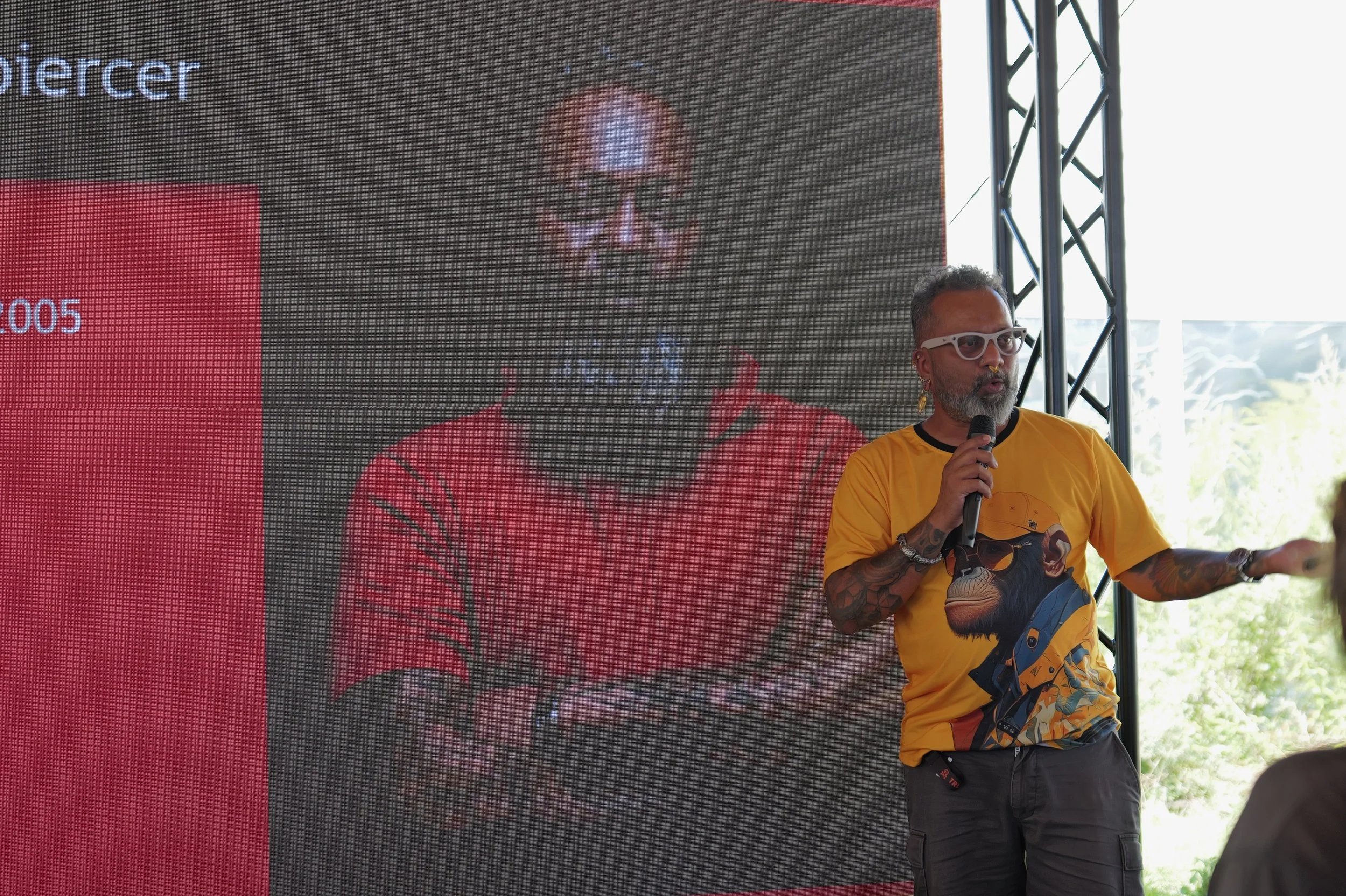
Mark Benecke in Vorarlberg: "Wenn du rausgehst, passiert immer was"

Quelle: VOL.AT, 20. Juni 2026, https://www.vol.at/mark-benecke-in-vorarlberg-wenn-du-rausgehst-passiert-immer-was/10266386

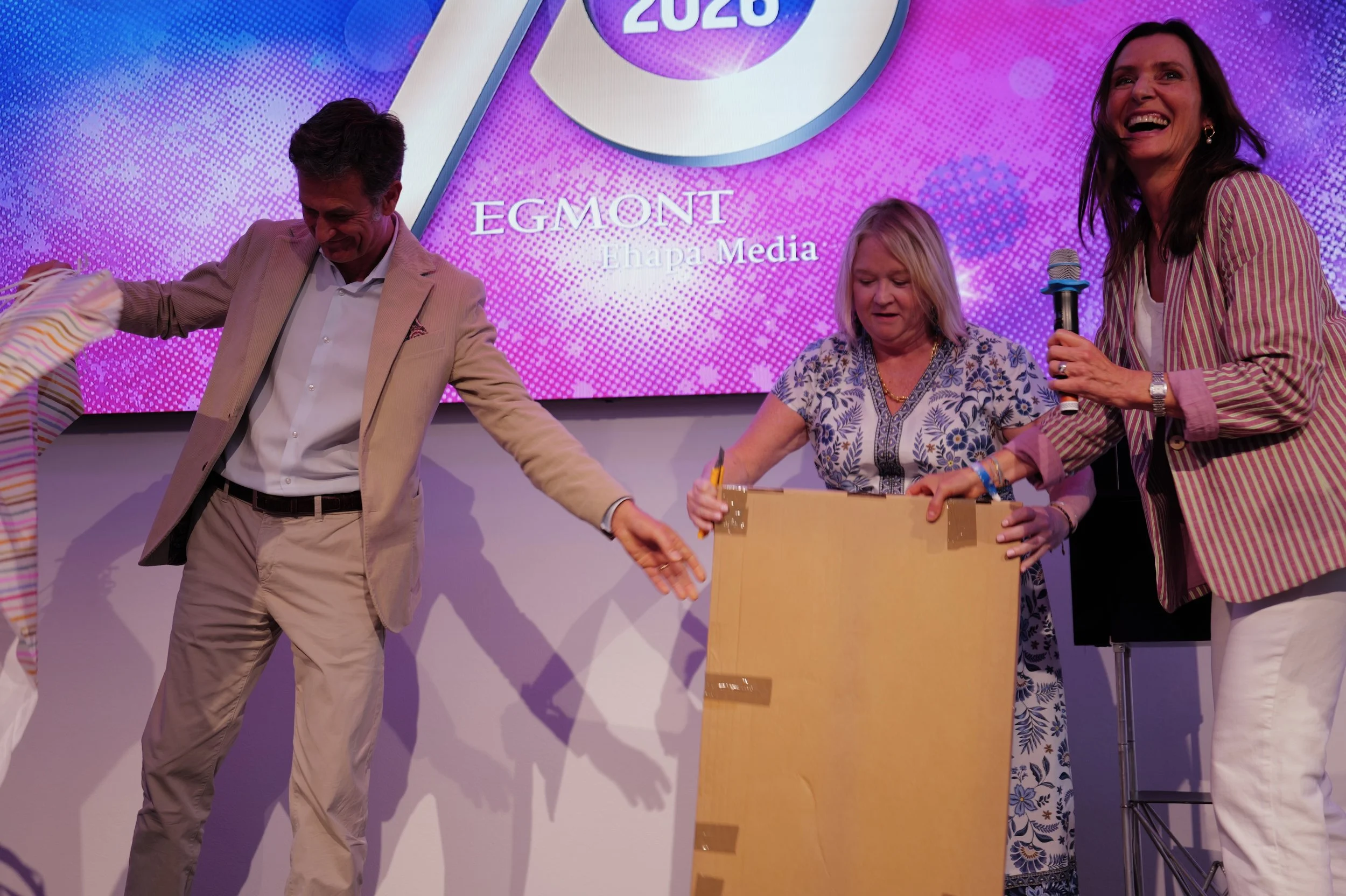
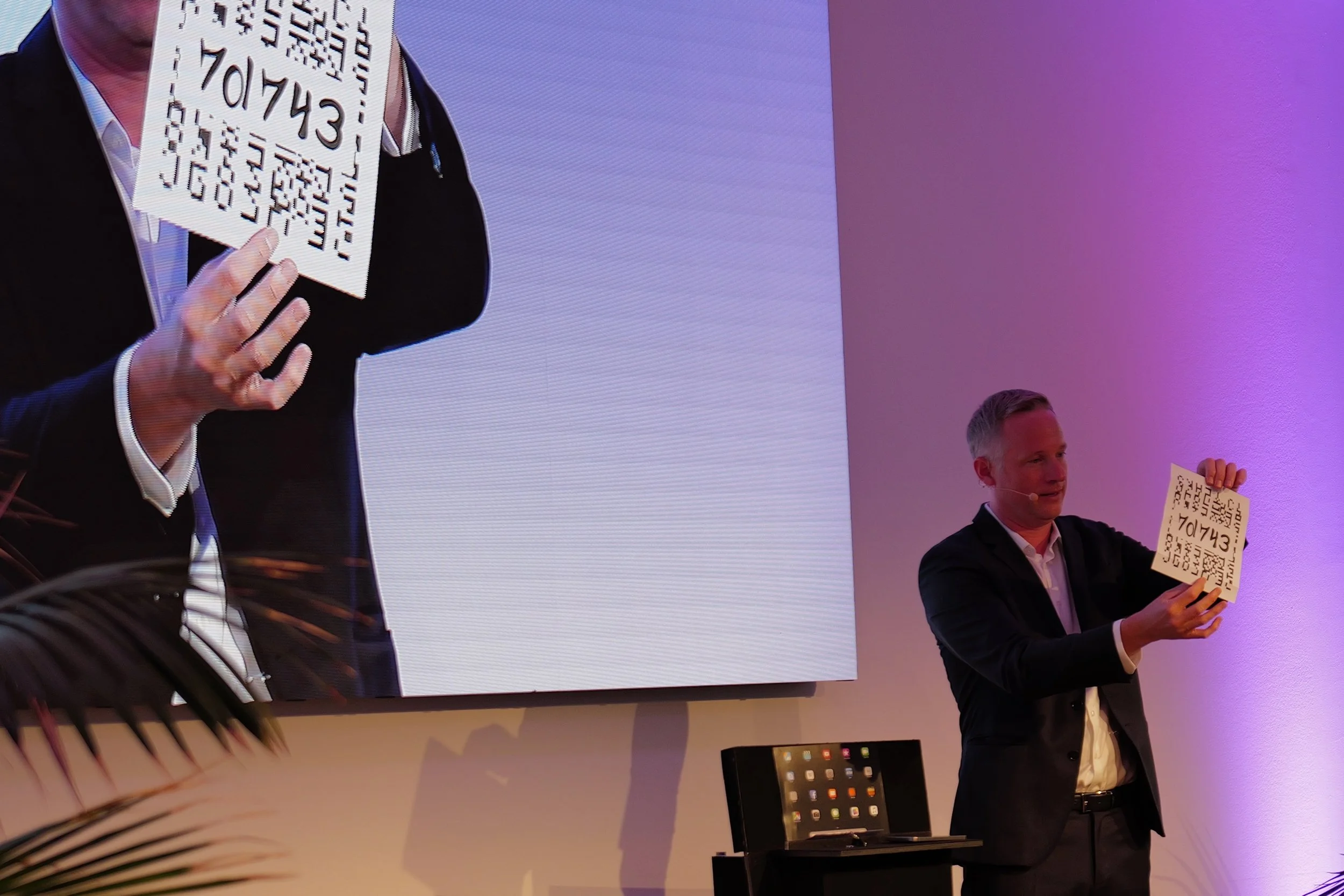
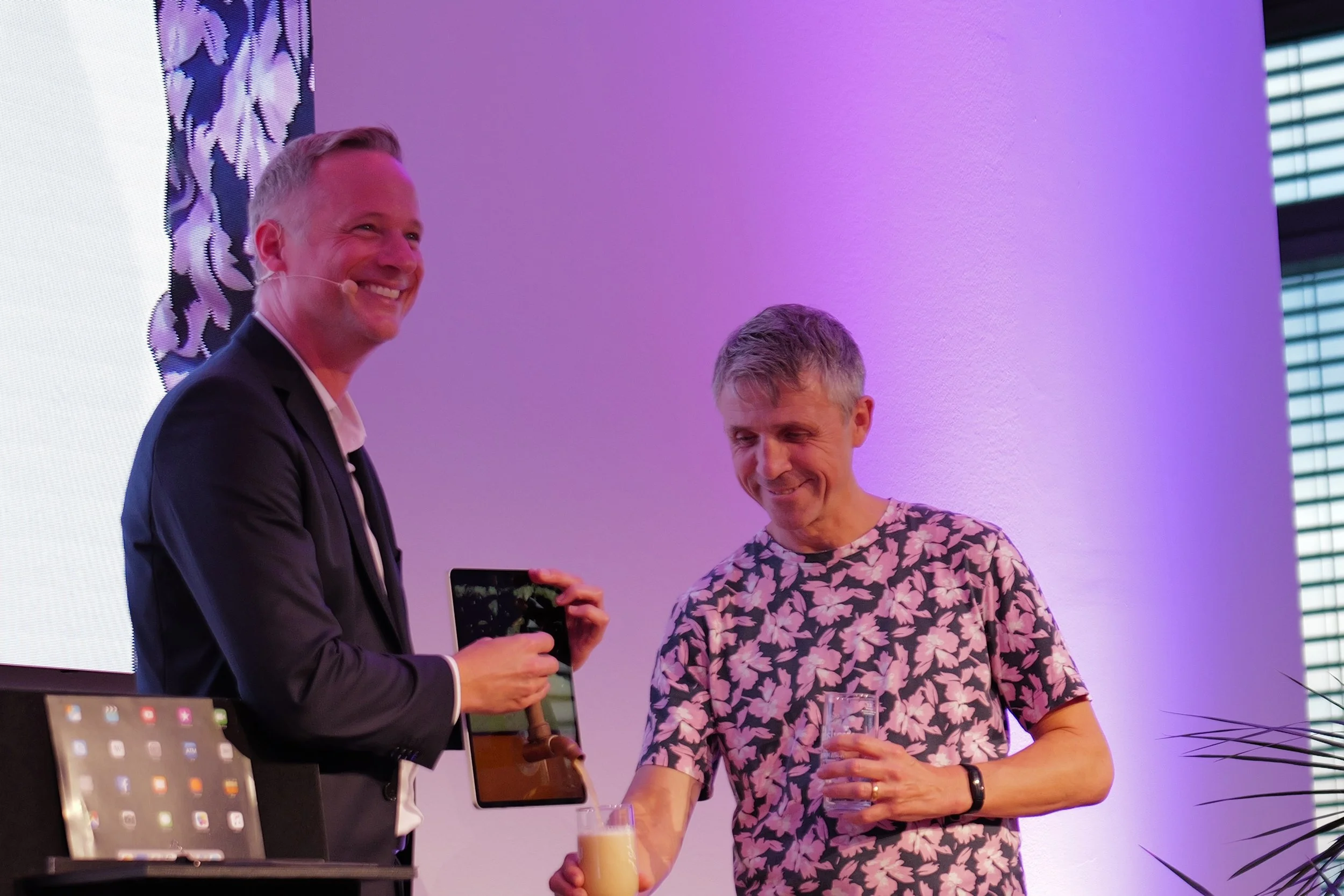
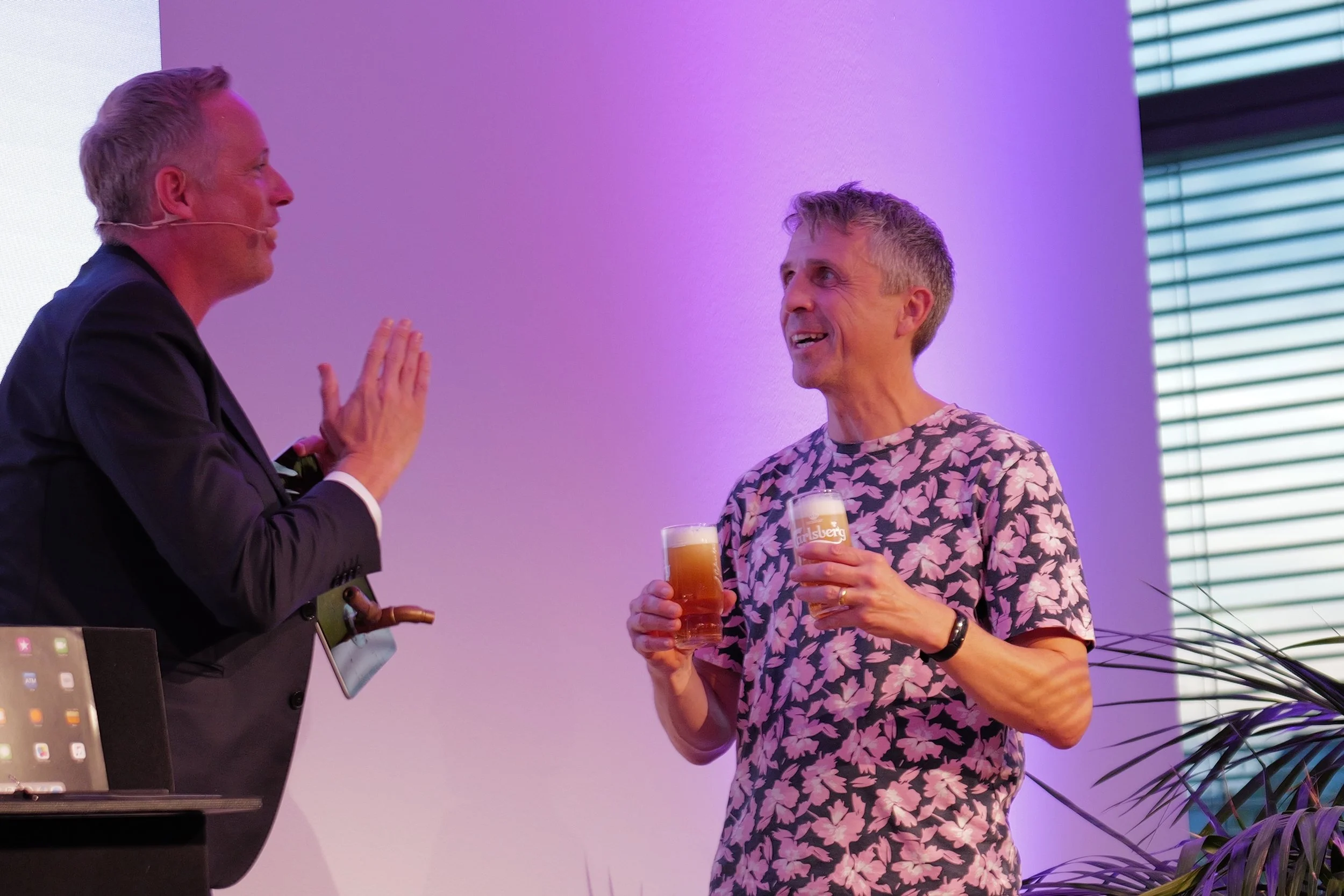
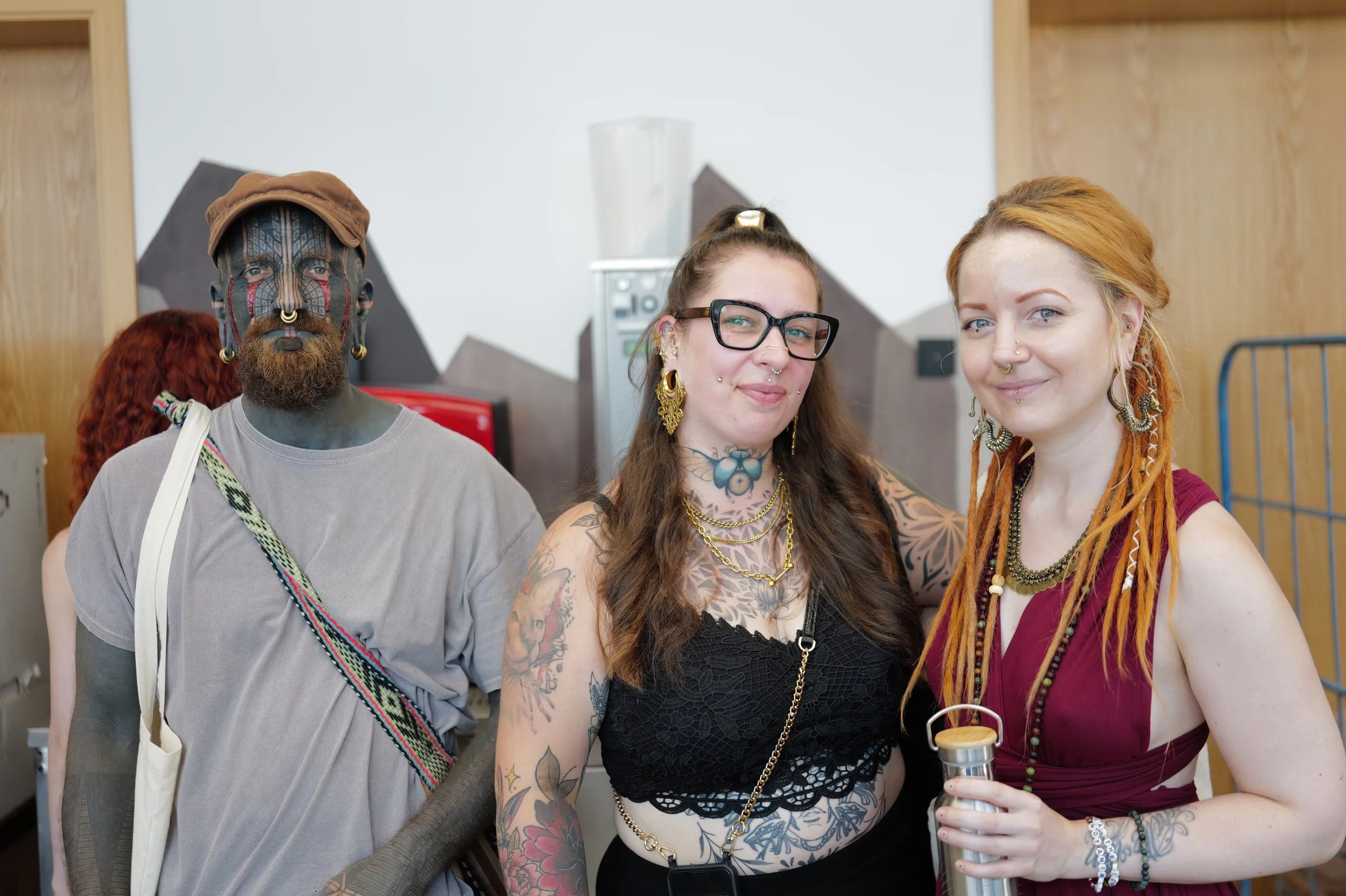
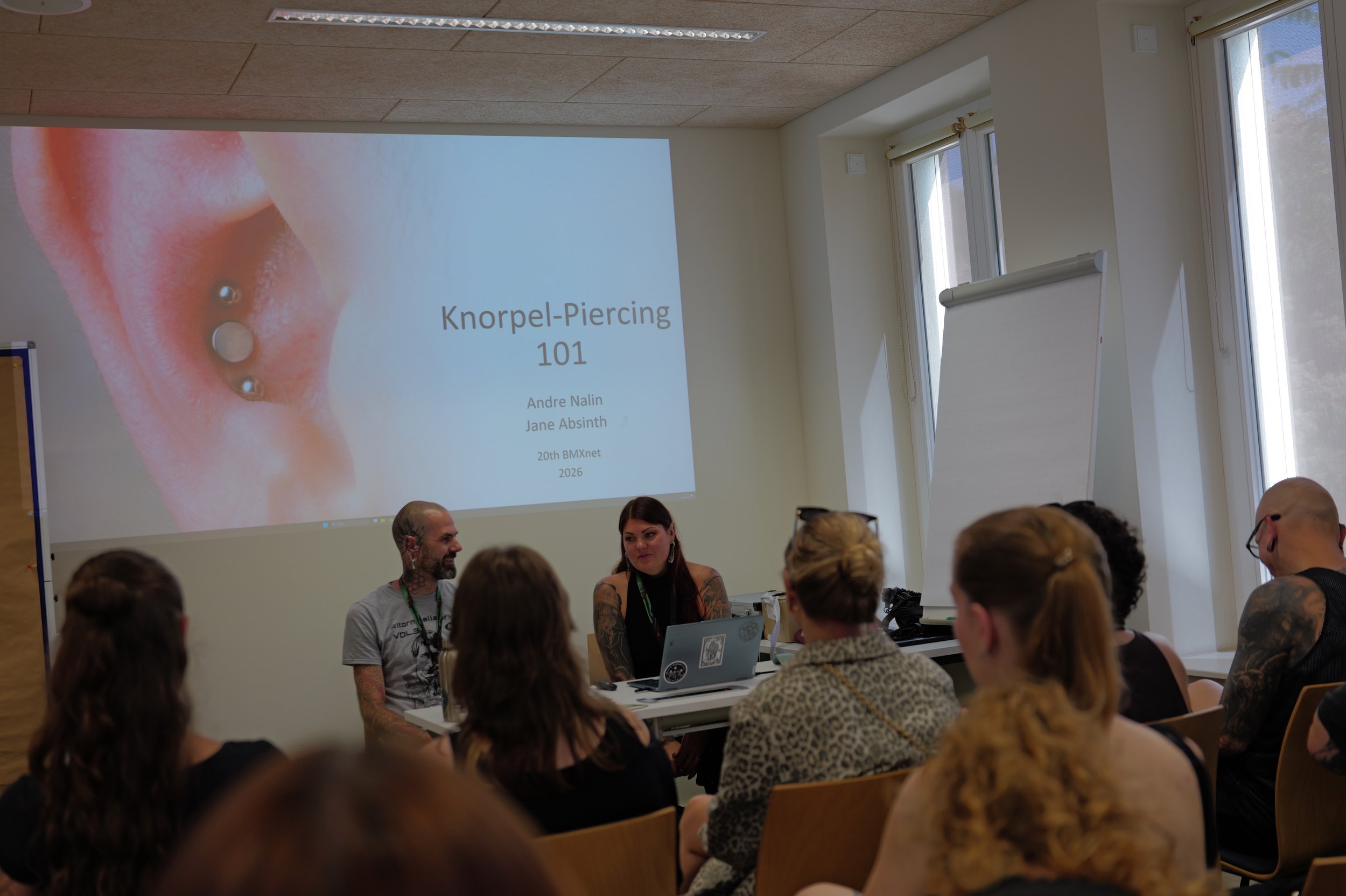
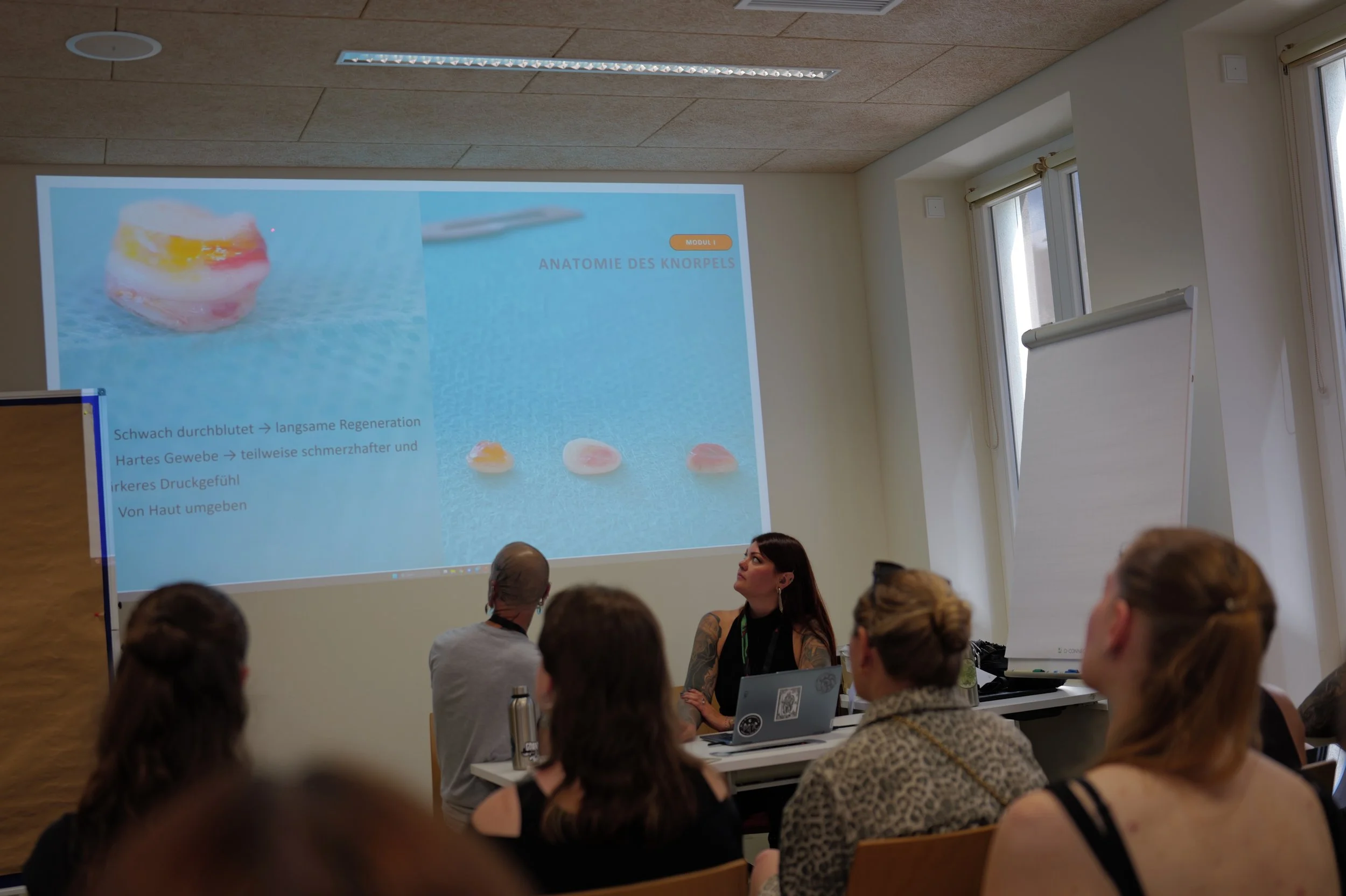
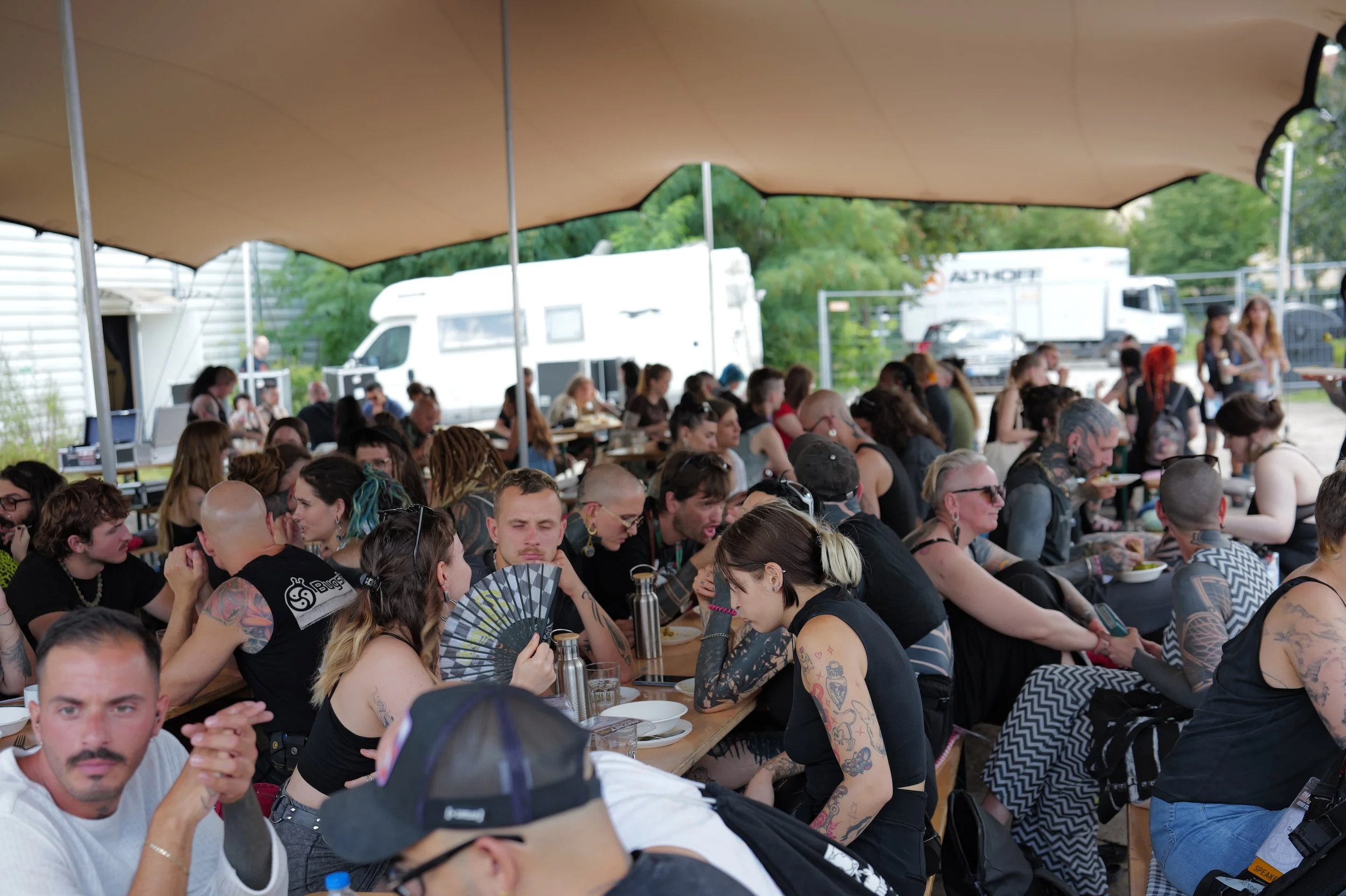
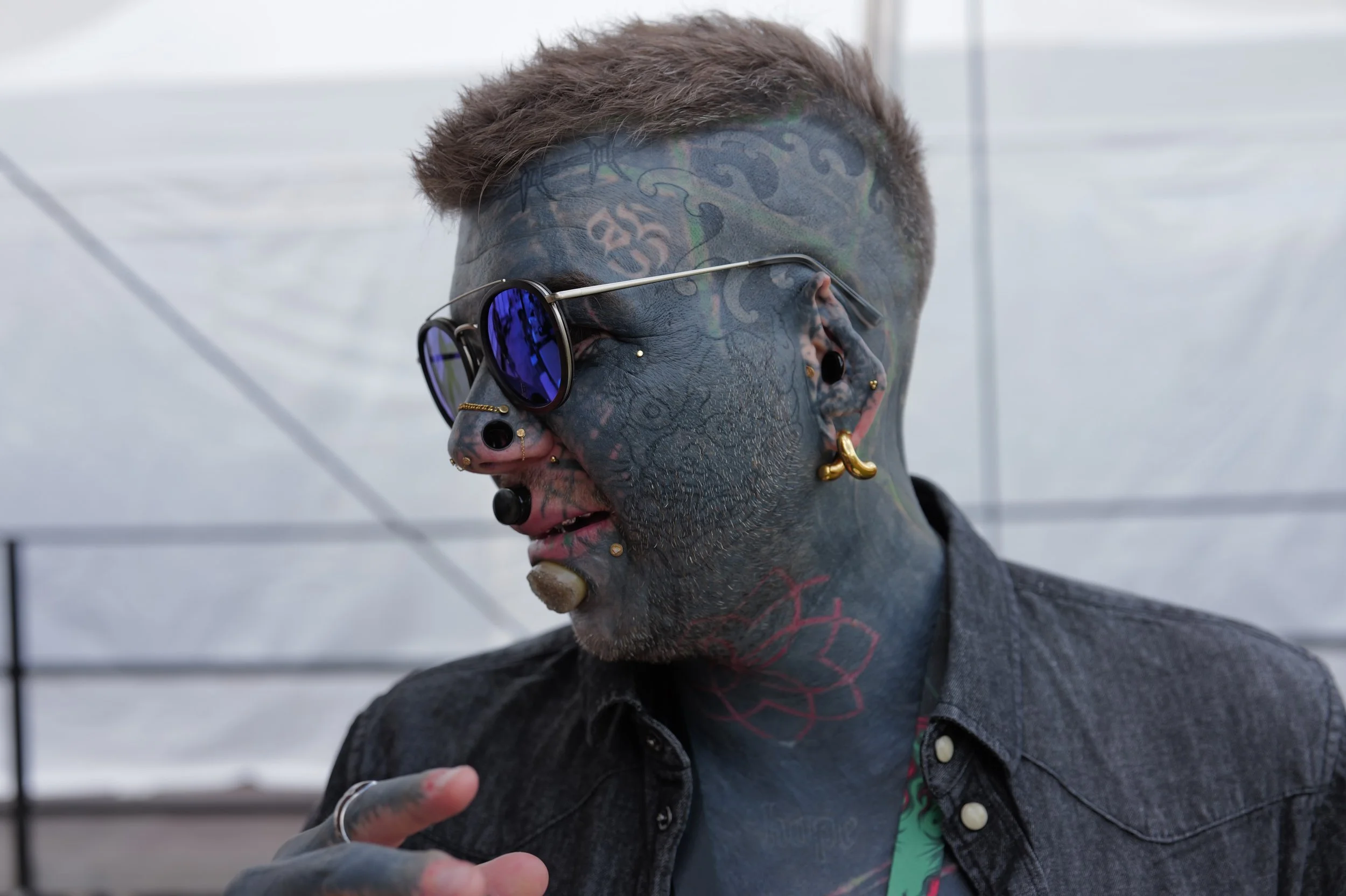
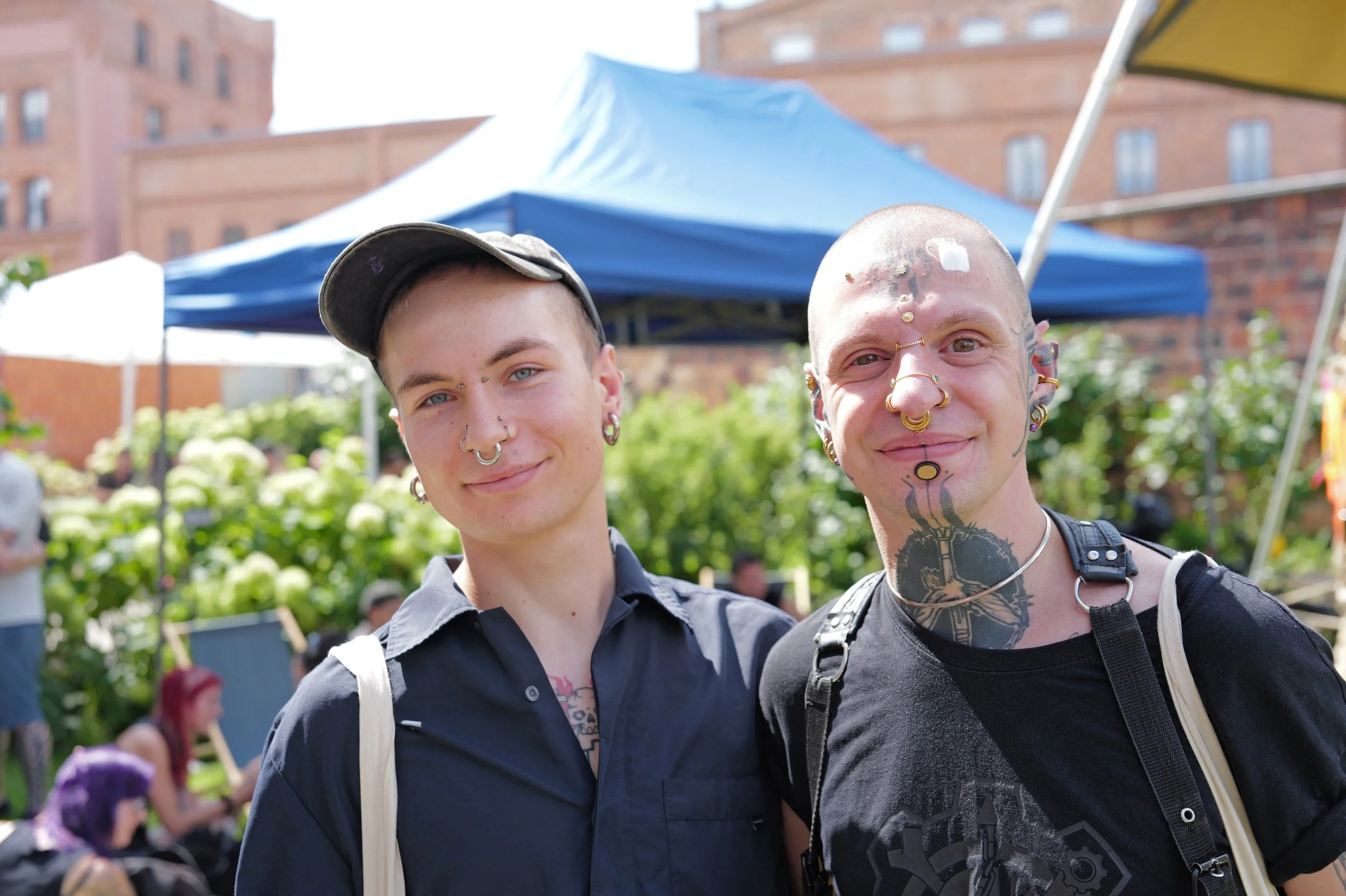
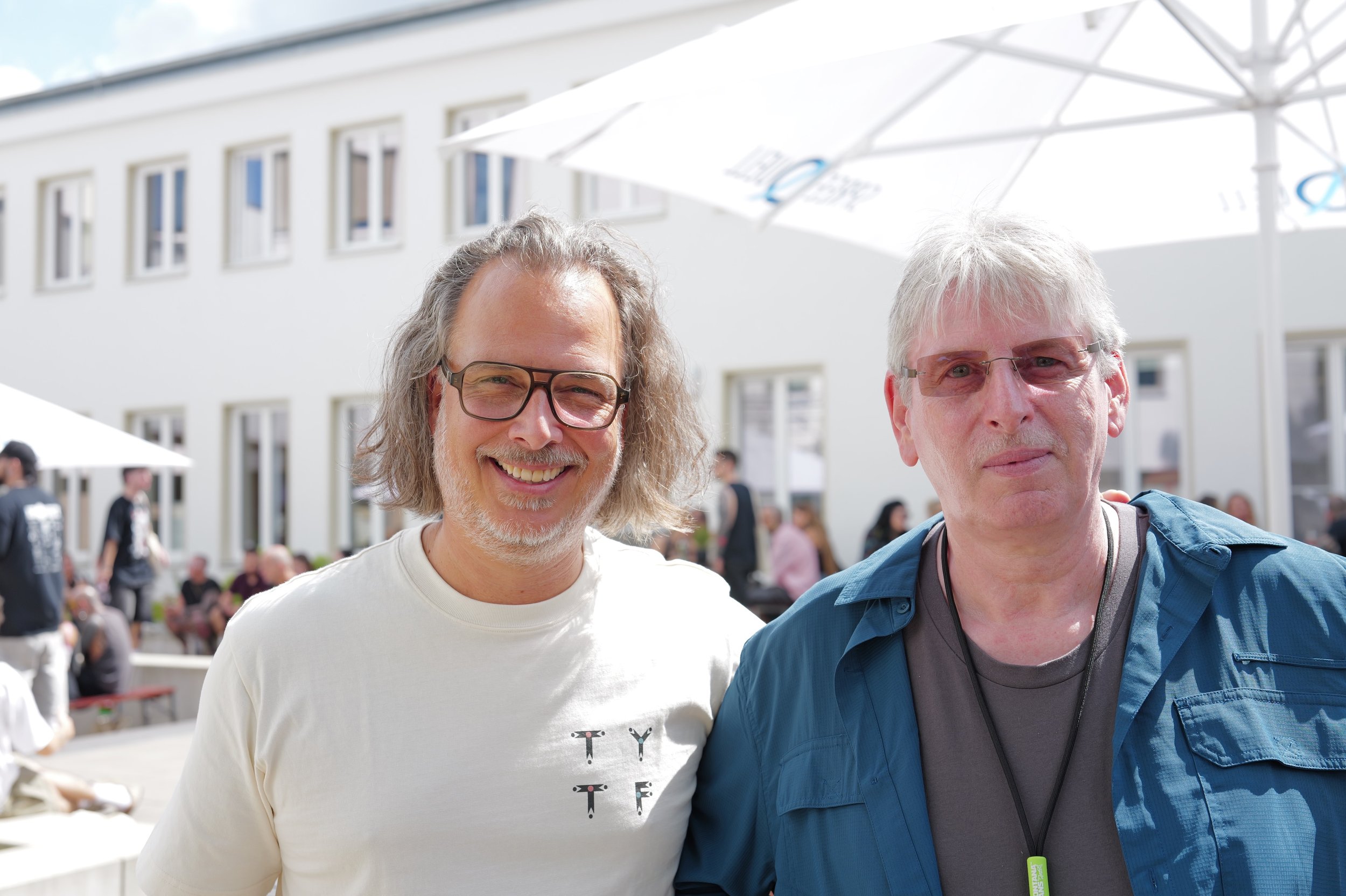
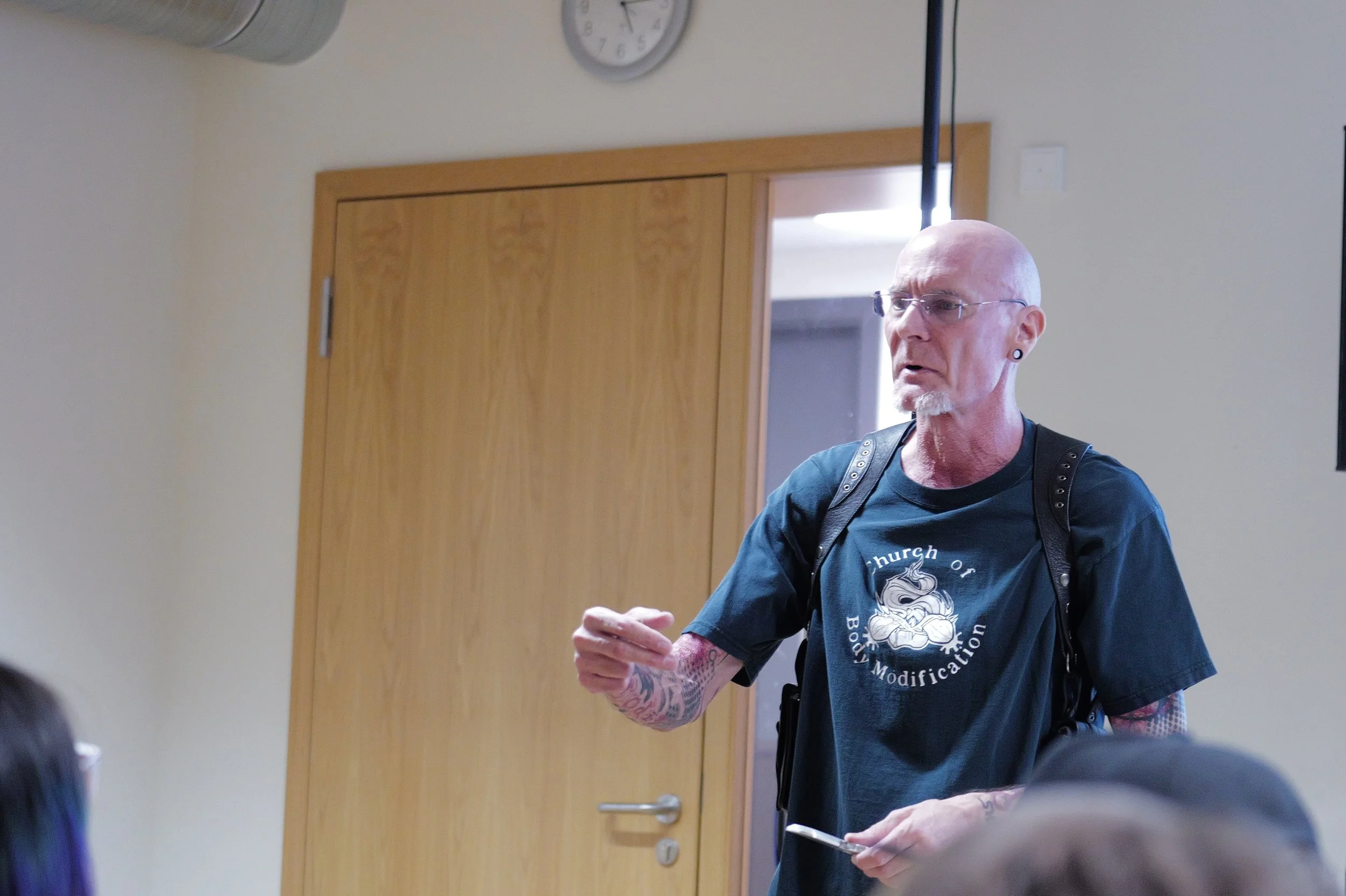
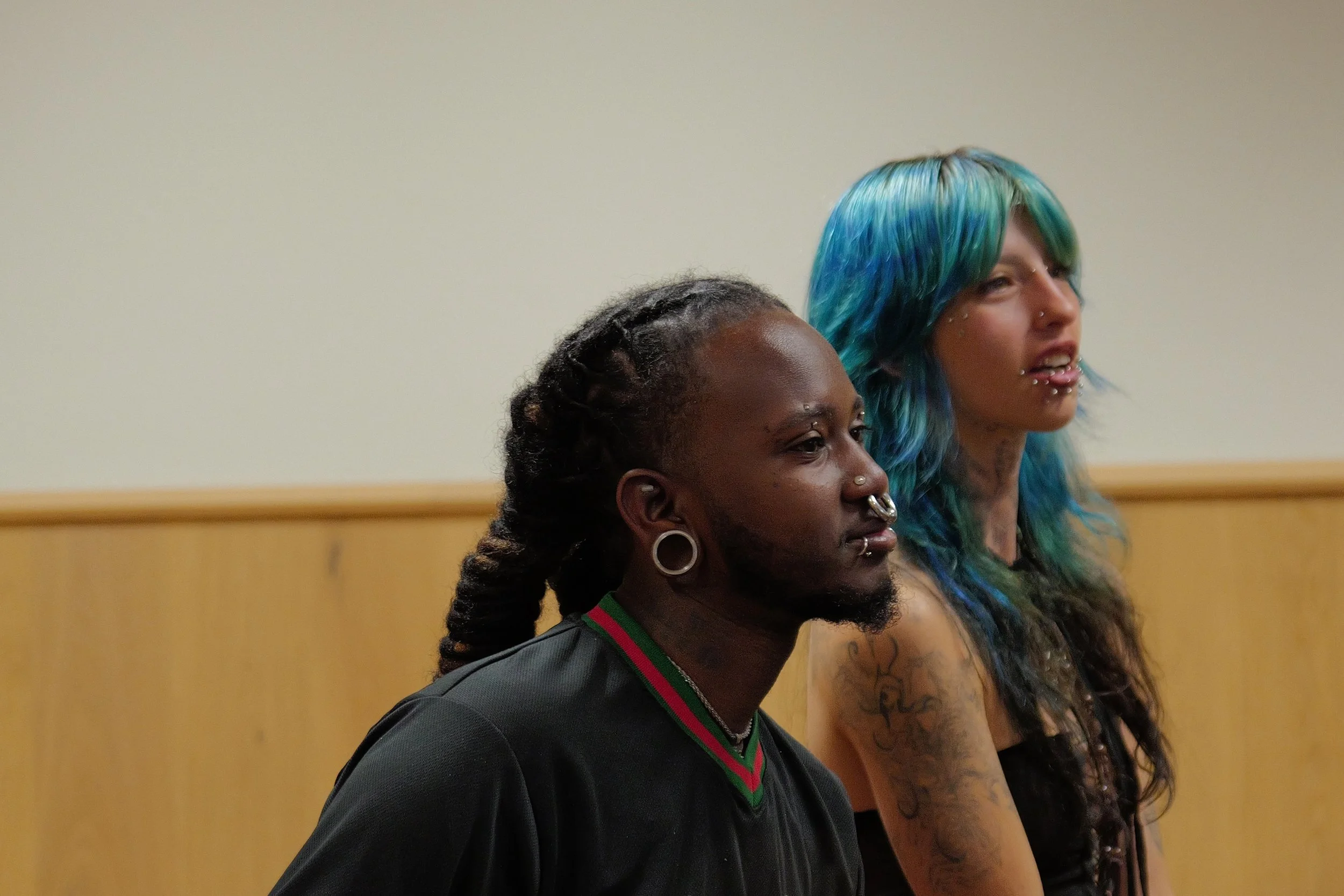
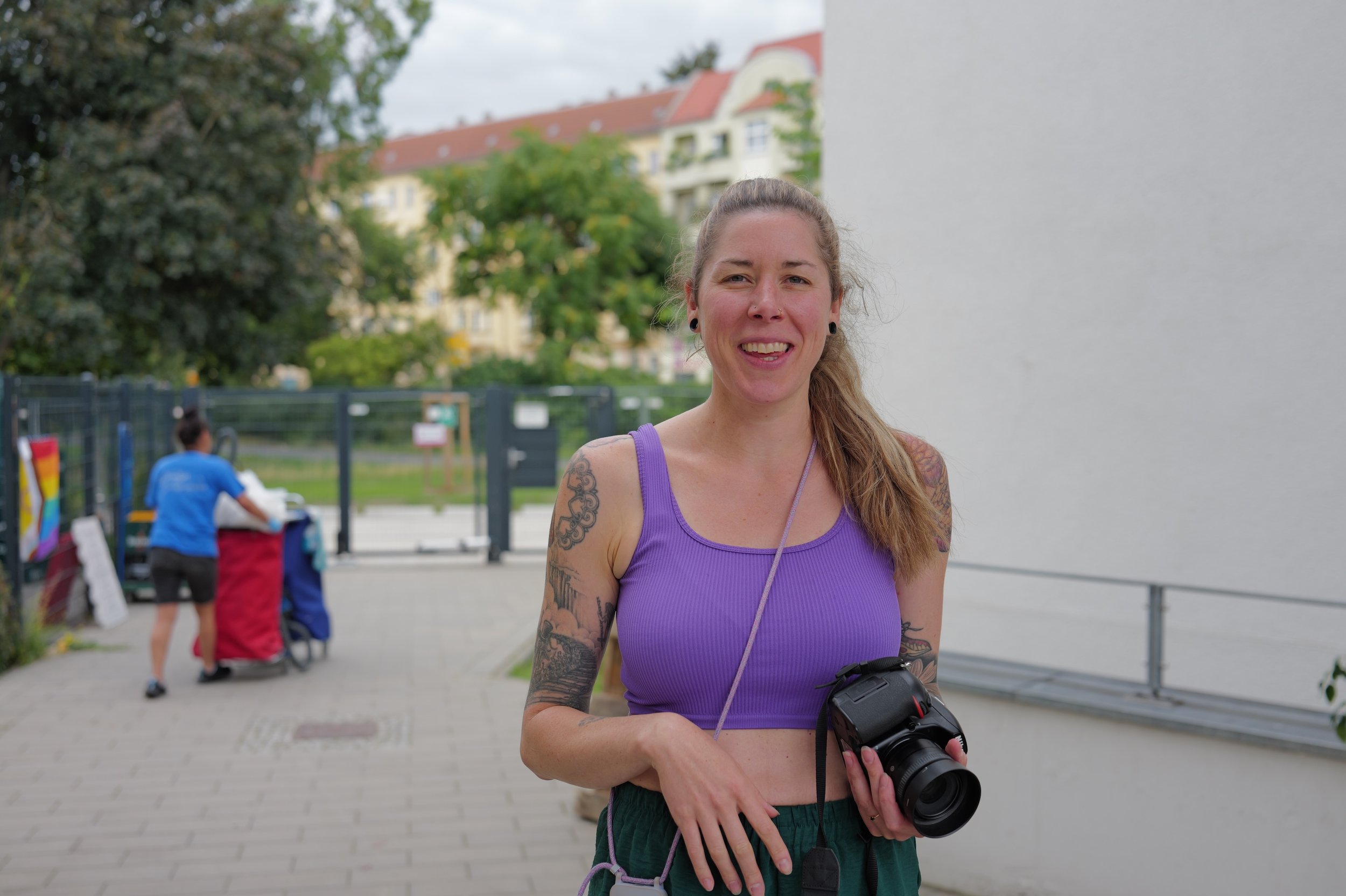
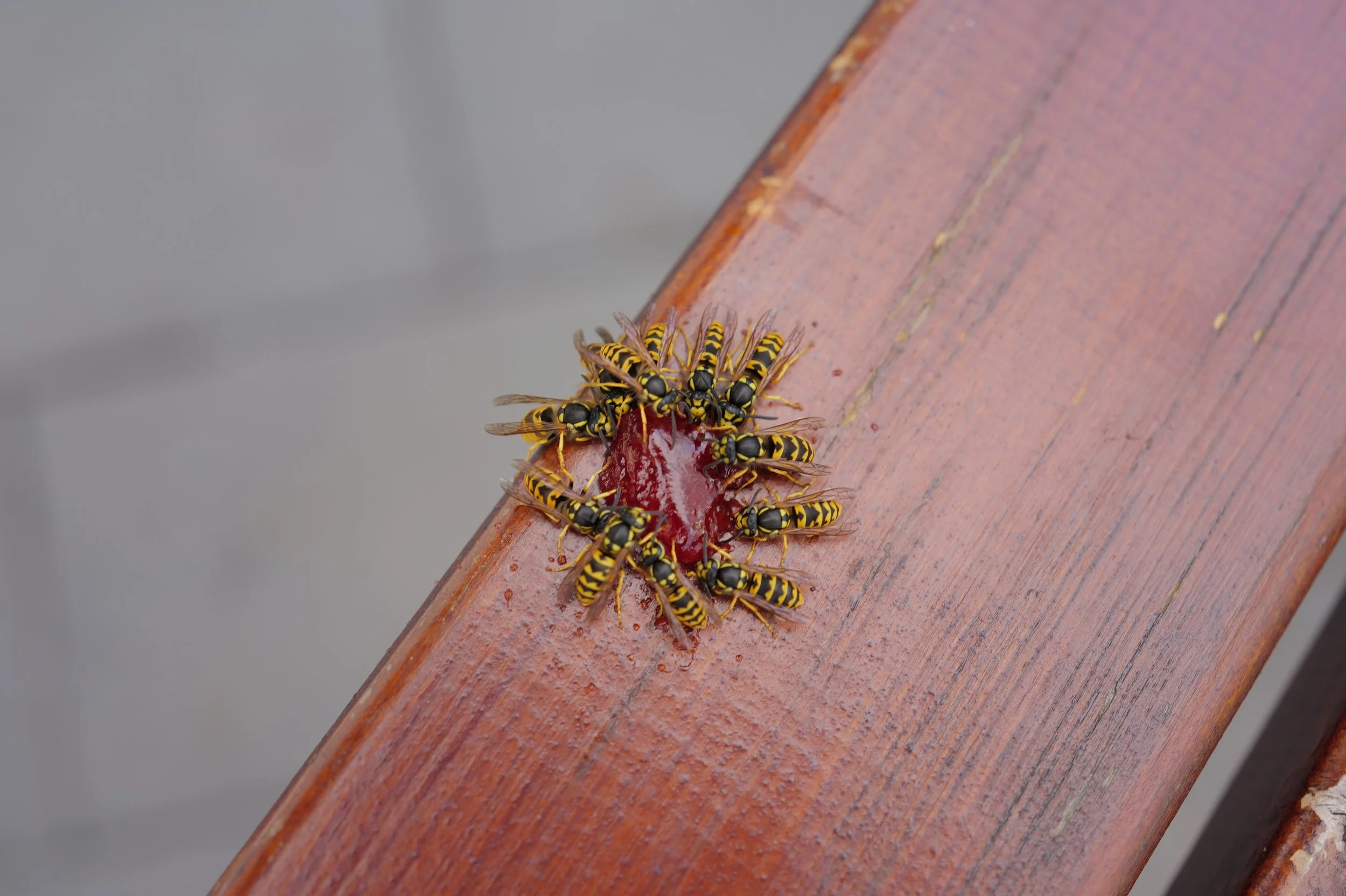
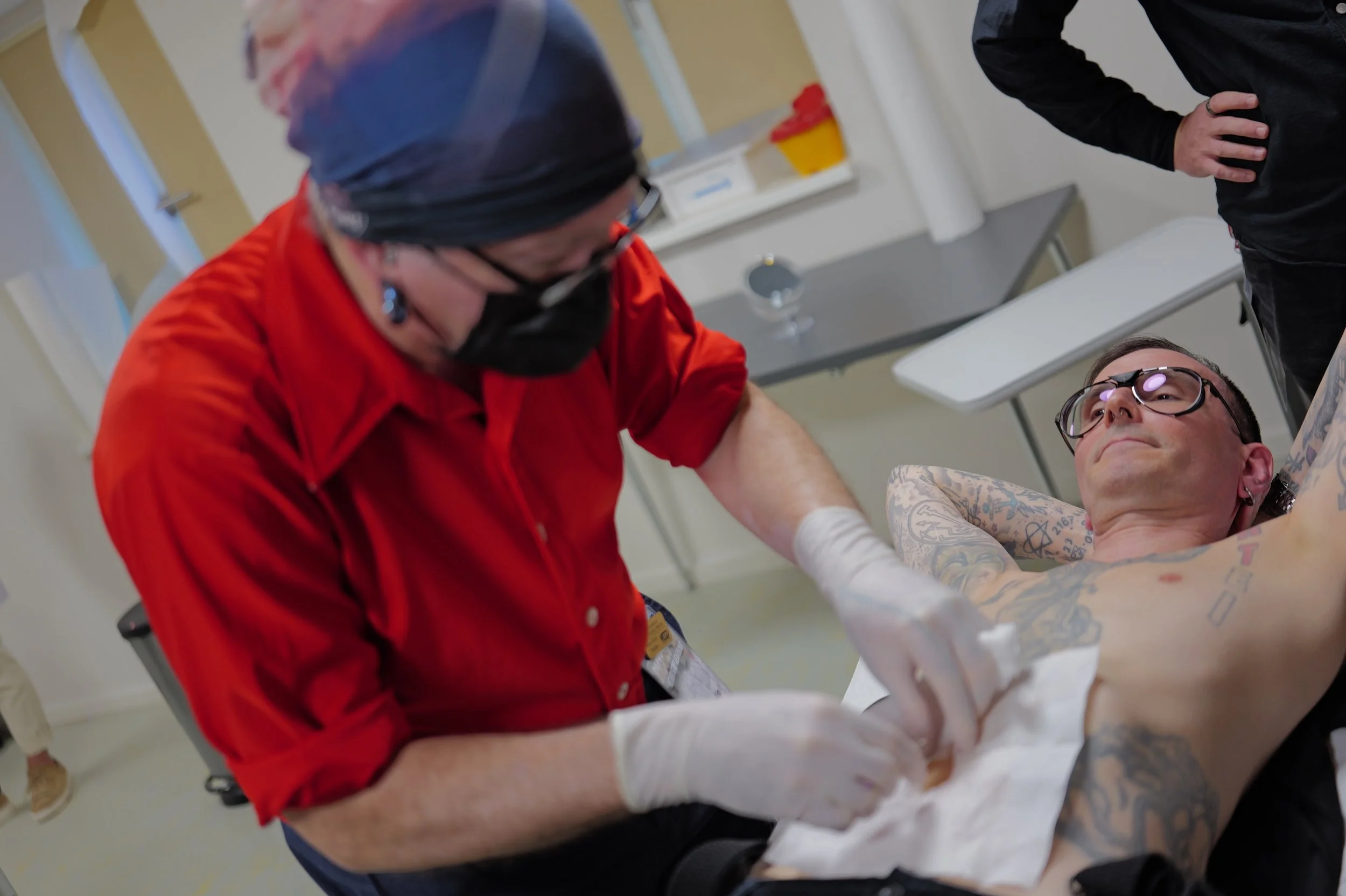
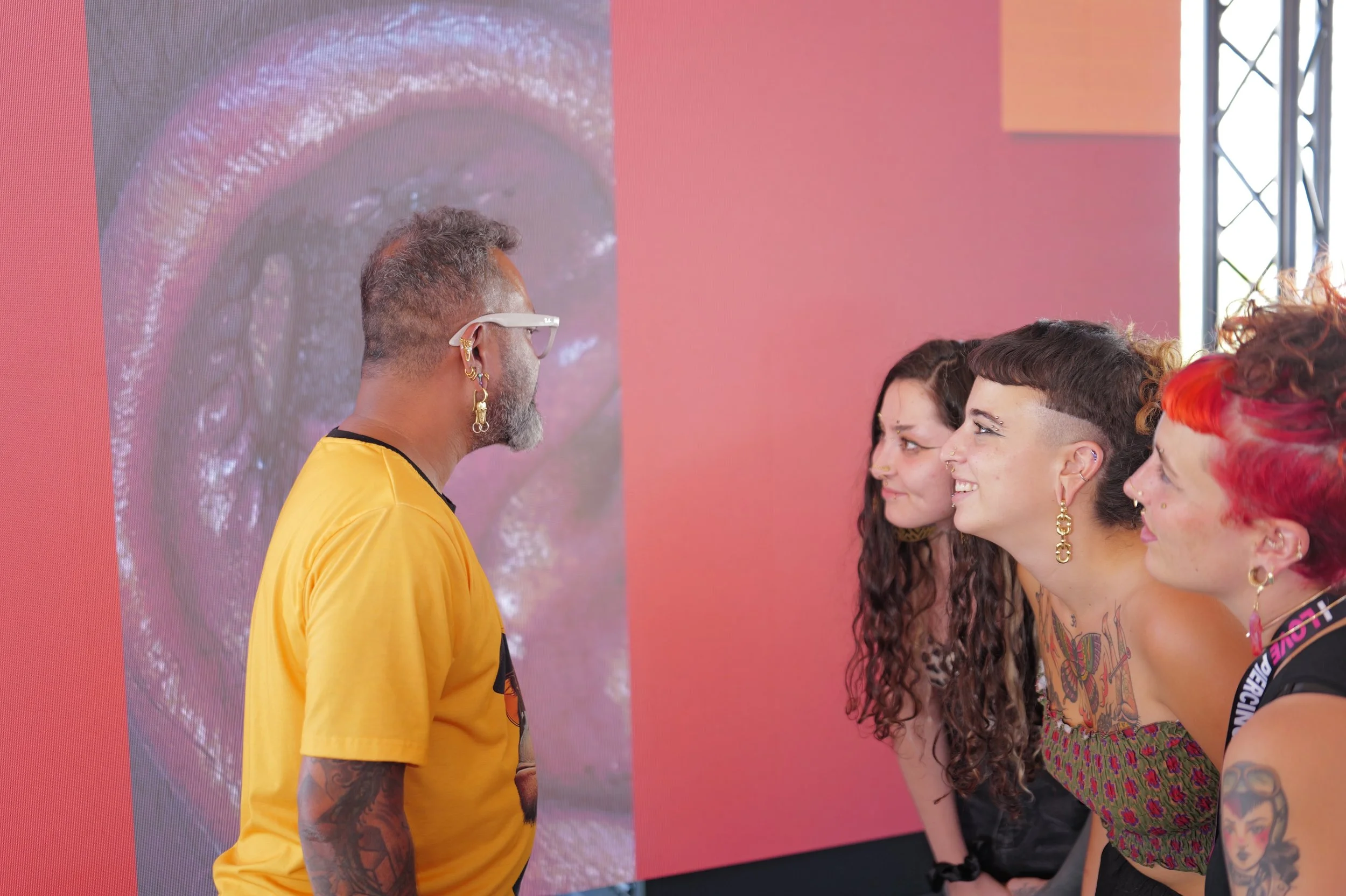
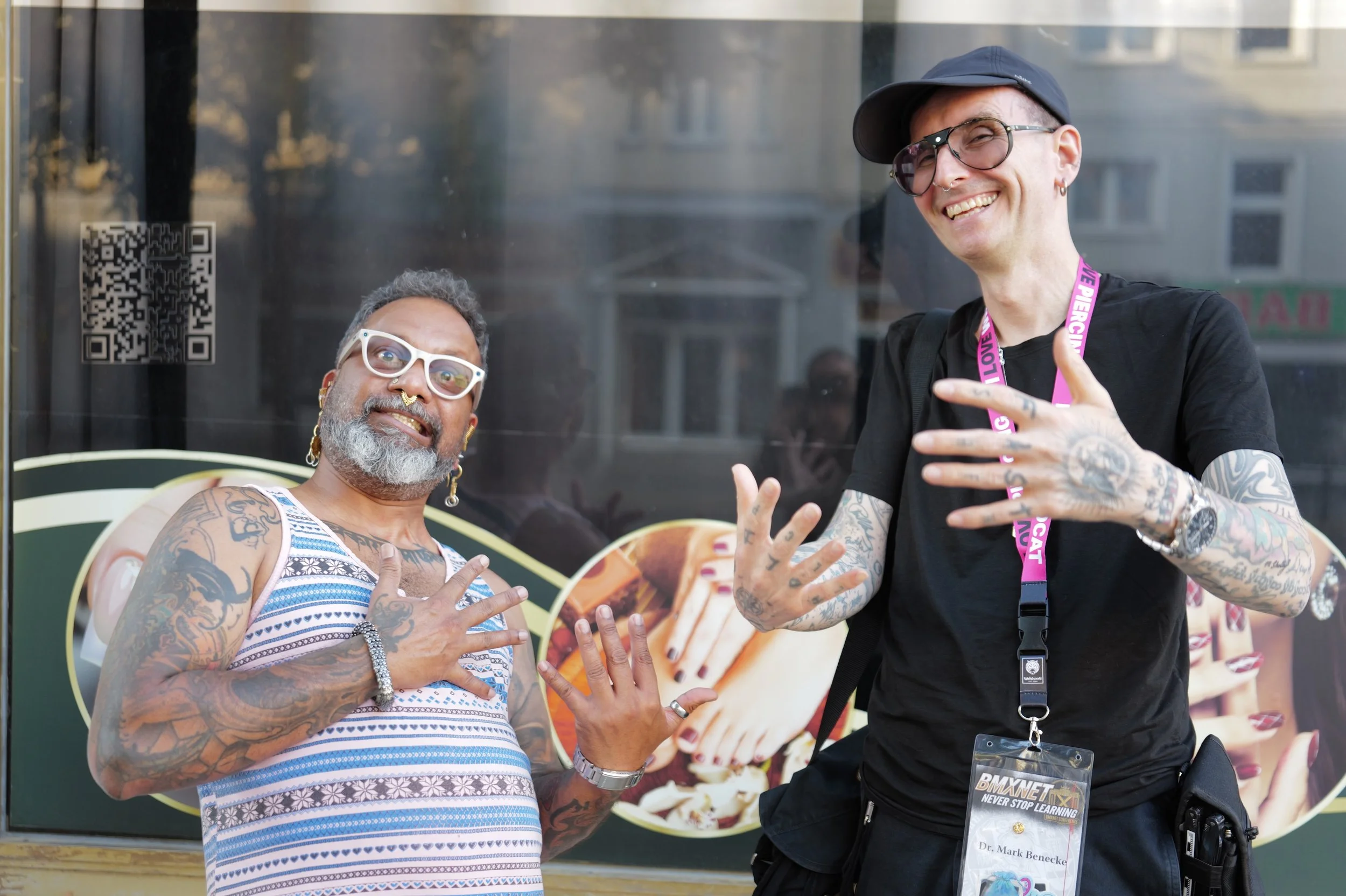
Die meisten kennen Mark Benecke als Kriminalbiologen, der mithilfe von Insekten Verbrechen aufklärt. Diese Woche führt ihn seine Arbeit nicht an einen Tatort, sondern ins Dornbirner Insektencamp.

Von Mirjam Mayer 

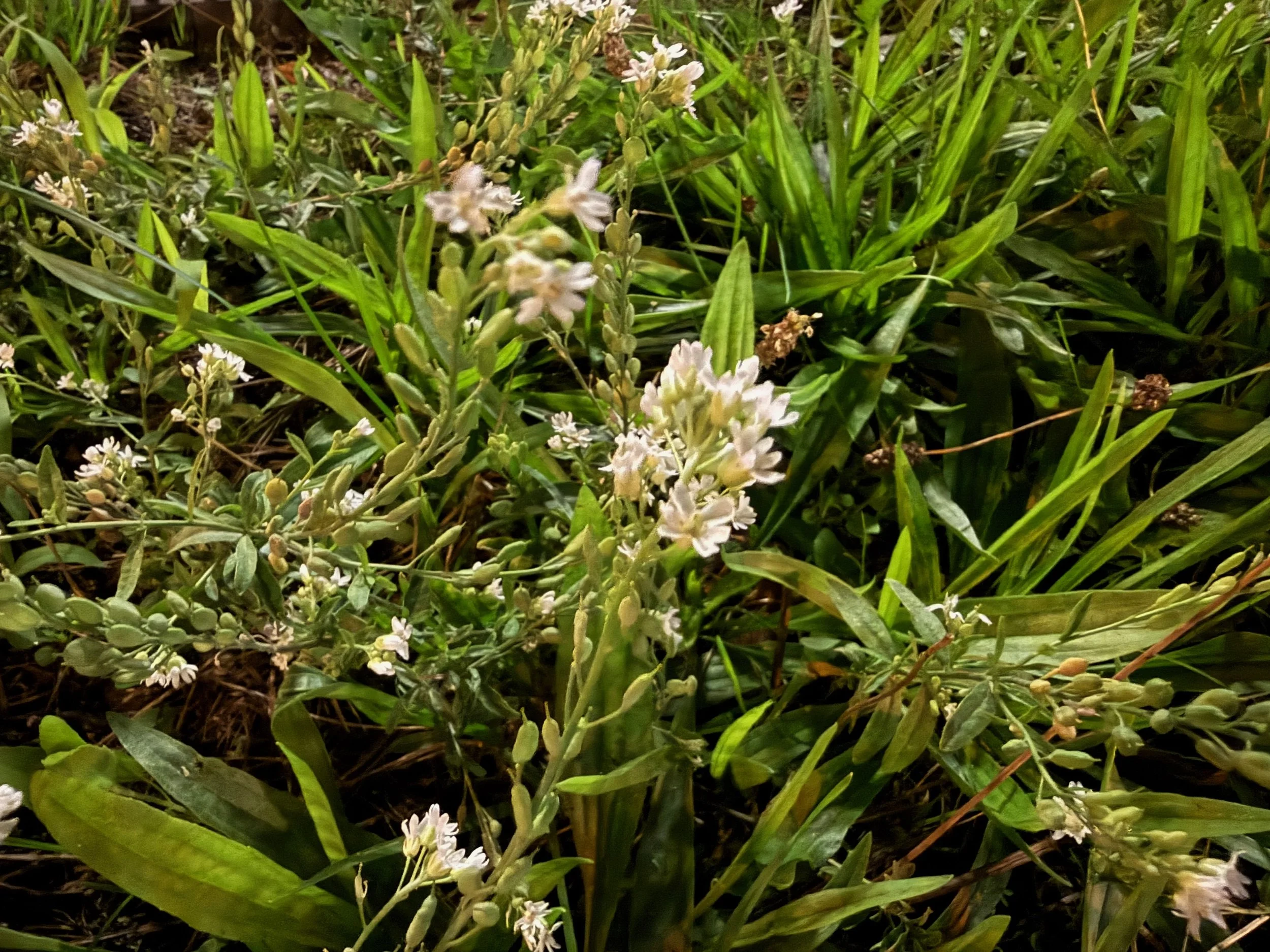
Zwischen Käfernetzen und Büschen streift der deutsche Biologe (55) durch den Wald und entlang der Ache. Für Benecke ist es weit mehr als ein Ausflug in die Natur.

"Die Umwelt ändert sich, und wir möchten ja gerne sehen, was in verschiedenen Teilen der Welt lebt, sagt er. Als Kriminalbiologe brauche man immer neue Messungen. "Es funktioniert überhaupt nicht, in alte Bücher zu gucken, alte Listen. Das hat überhaupt keinen Sinn in der Biologie."

Heuer findet das Insektencamp der Österreichischen Entomologischen Gesellschaft (ÖEG) in Dornbirn und Umgebung statt. Gemeinsam kartieren die Teilnehmer die Artenvielfalt - von Mooren über Flussufer bis hin zu Wäldern und Wiesen. Gerade die Vielfalt der Spezialisten macht das Camp interessant.

Während manche Teilnehmer Nachtfalter erforschen, beschäftigen sich andere mit Käfern oder Stechmücken. "Das ist wie so ein Vitamin-Ingwer-Shot. Da kann man sich ganz schnell auf den neuesten Stand bringen."

Für Benecke gehören Insekten zum beruflichen Alltag. Sie liefern entscheidende Hinweise bei der Rekonstruktion von Kriminalfällen. Sie können helfen, Tatorte zu rekonstruieren, Liegezeiten von Leichen zu bestimmen oder Hinweise auf frühere Aufenthaltsorte zu liefern.

Als Beispiel nennt er den Fall einer in einen Teppich eingerollten Leiche. "Da haben wir gesagt: Hier sind Tiere drin, die kommen aus dieser und jener Region. Da wurde die Leiche in den Teppich reingerollt. Dann kann man das herleiten. Und das ist auch sicher."

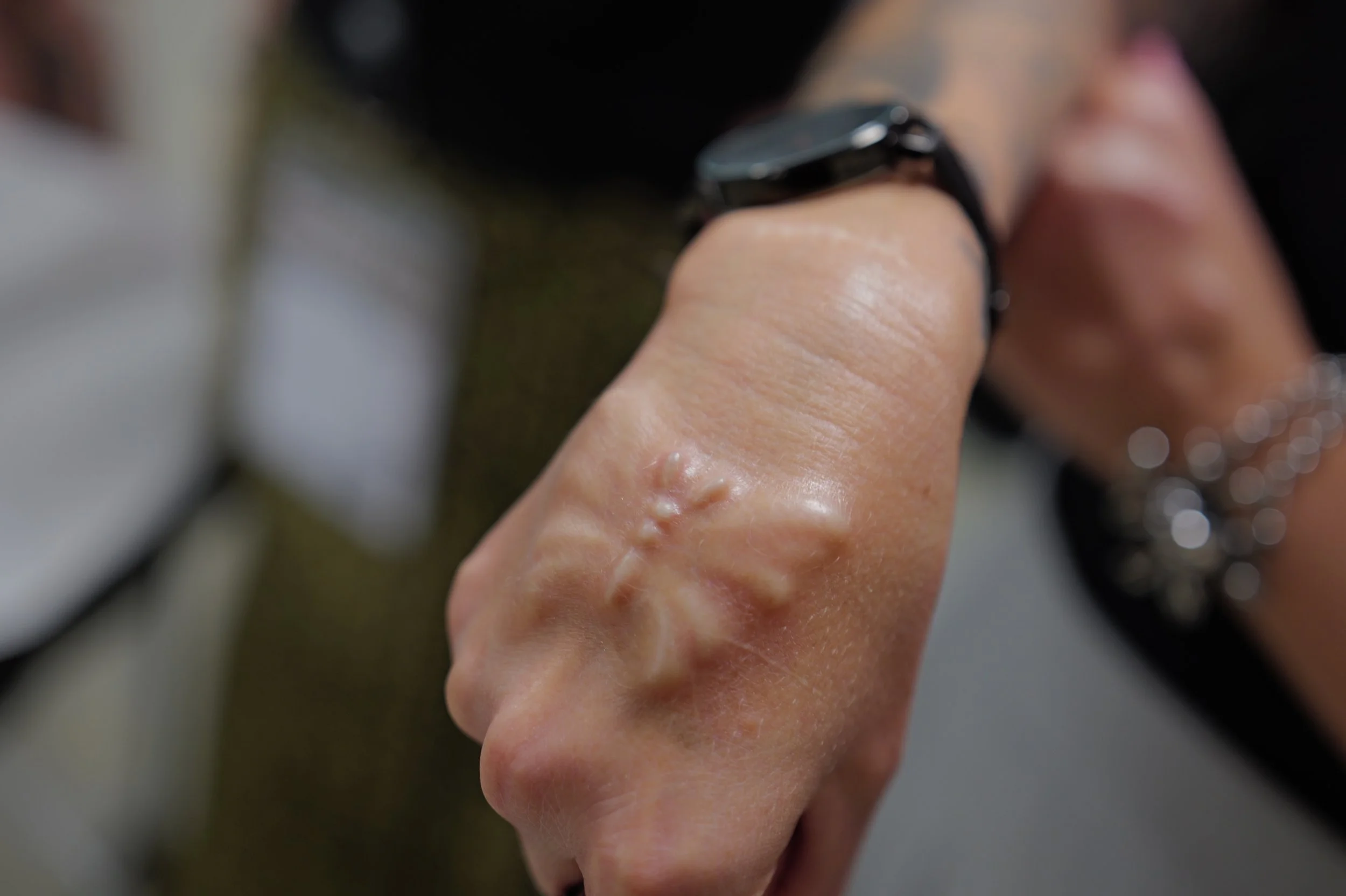
Neben Kriminalfällen beschäftigt sich Benecke mit Themen von Autismus über Tätowierungen bis hin zu Comics oder Vampirmythen. Der gemeinsame Nenner: Neugier. "Meine verstorbenen Tanten und Großeltern haben immer gesagt, dass ich ihnen auf den Wecker gegangen bin, weil ich immer gefragt habe: Warum? Warum?"

"Ich finde es eher komisch, wenn Menschen nicht neugierig sind und halt nur rumhocken." Und genau deshalb fühlt sich der Kriminalbiologe im Dornbirner Insektencamp offenbar bestens aufgehoben. "Wenn du rausgehst, passiert immer was", ist er sicher.

Noch bis am 21. Juni läuft das Insektencamp in Kooperation mit der Inatura. Für die Jugendreferenten Elisabeth Glatzhofer und Samuel Messner geht es um mehr als Datensammlung: Wissen weitergeben und Nachwuchs fördern.

Junge Naturinteressierte arbeiten mit Spezialisten und lernen Methoden der Artenforschung kennen. "Jeder und jede ist willkommen", geben sie zu verstehen. Sie empfehlen, im Alltag öfter genauer hinzusehen: "Man kann jedem nur empfehlen, ein bisschen näher hinzuschauen, auch bei den kleinen Tieren."

Mit vielem Dank an die Redaktion für die Erlaubnis zur Veröffentlichung.

verlinken mit

  • dornbirn insektencamp

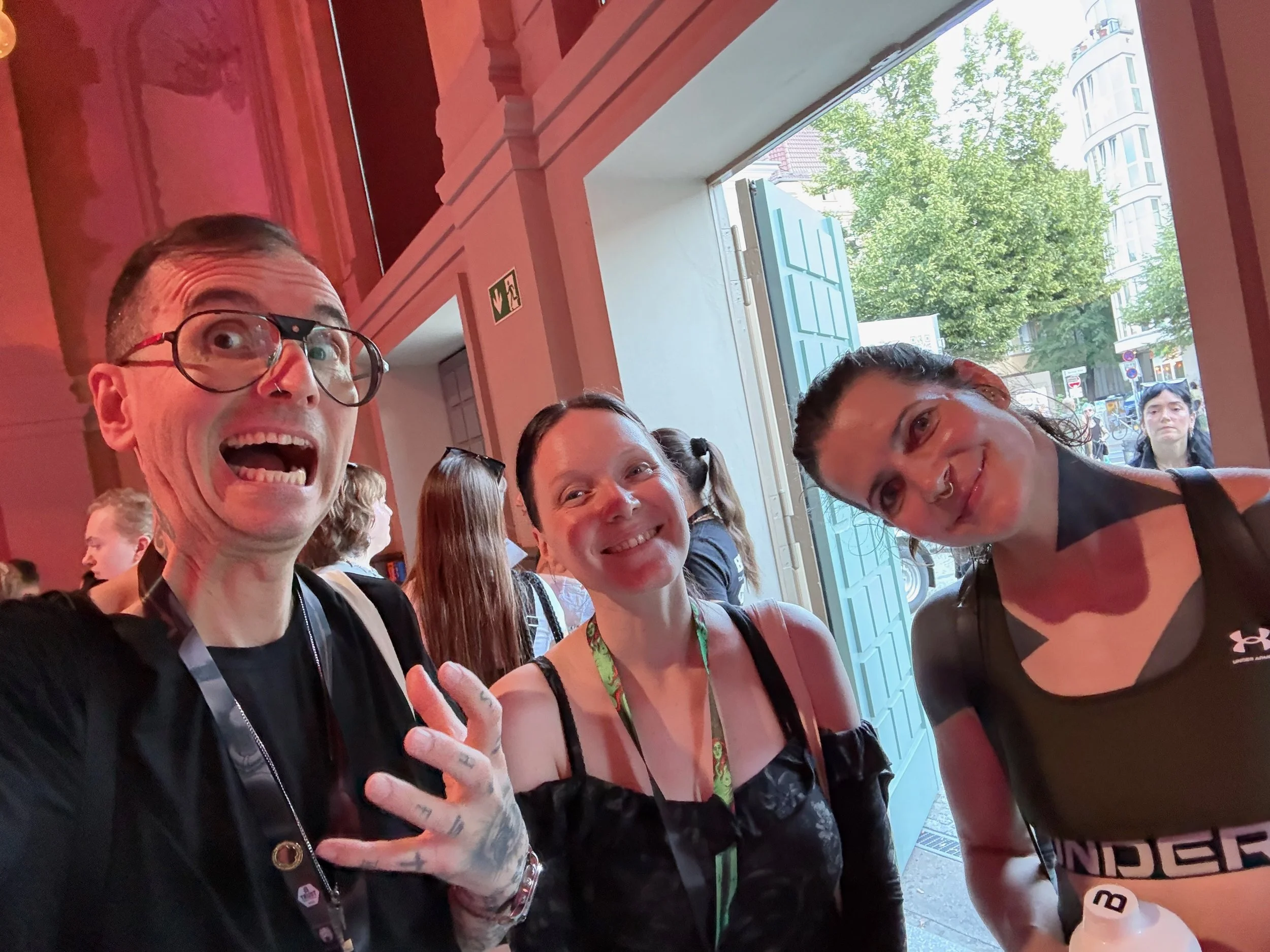
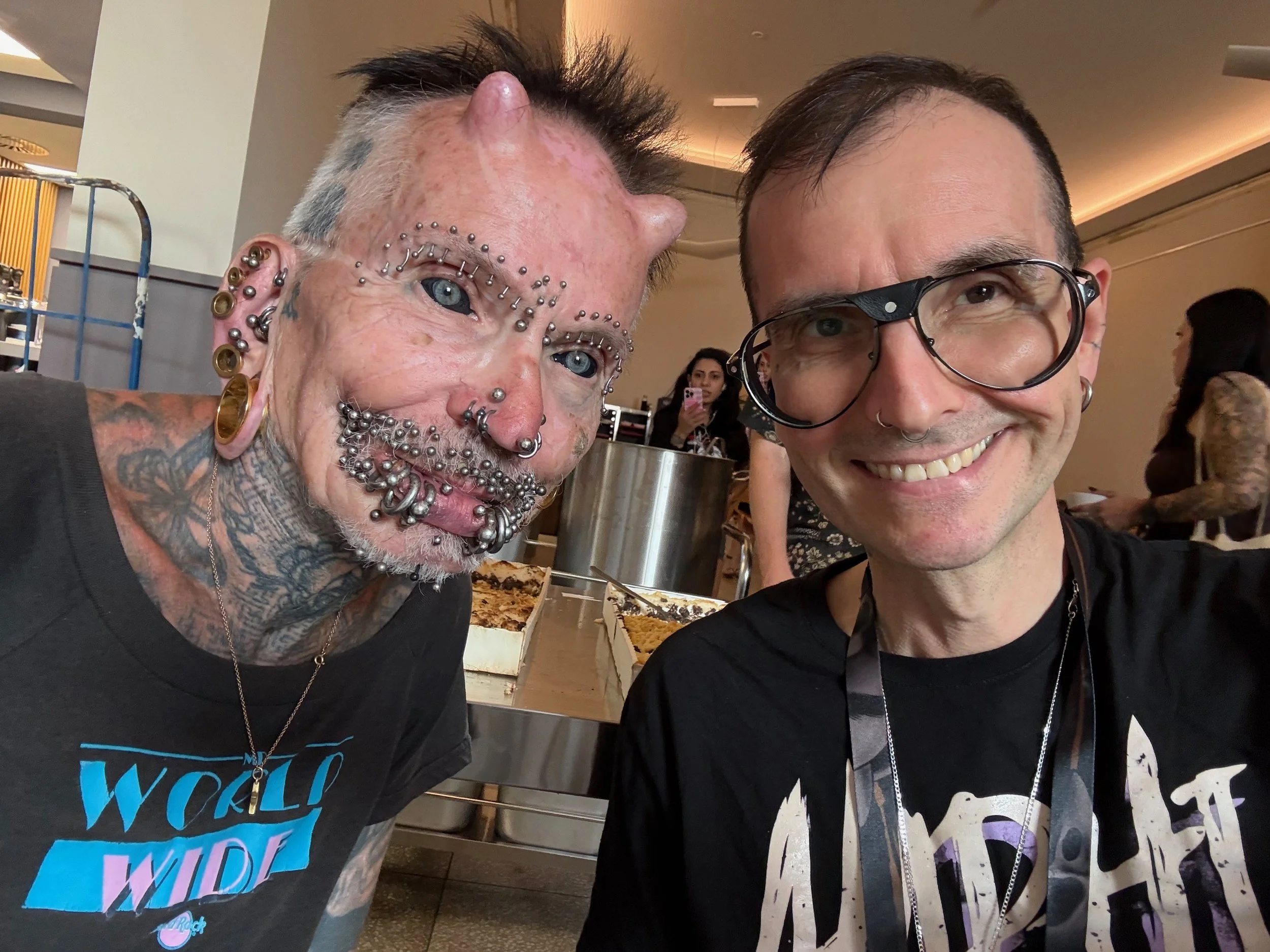
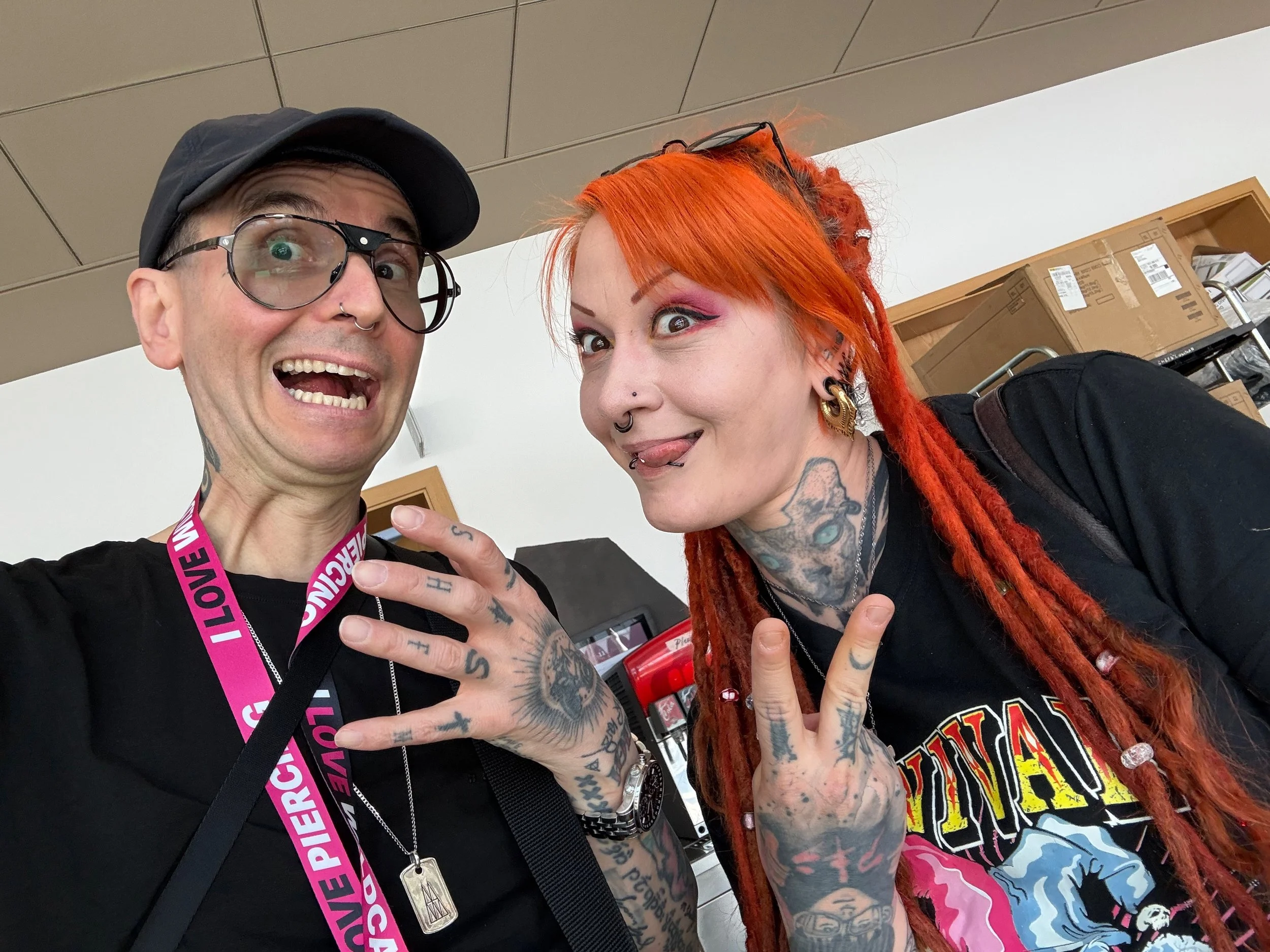
Foto: Mark Benecke

ÖEG Insekten-Camp Dornbirn & Umgebung

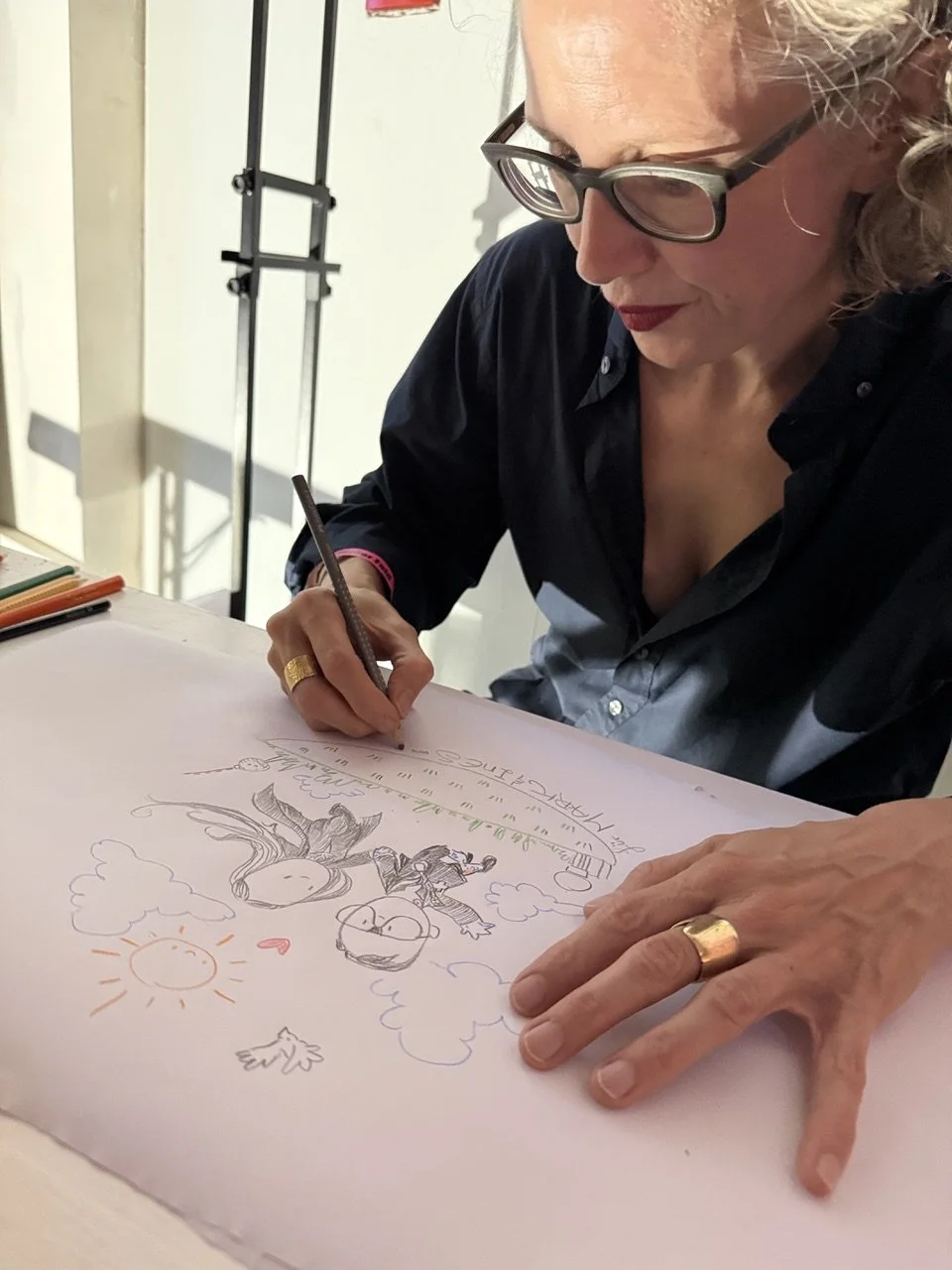
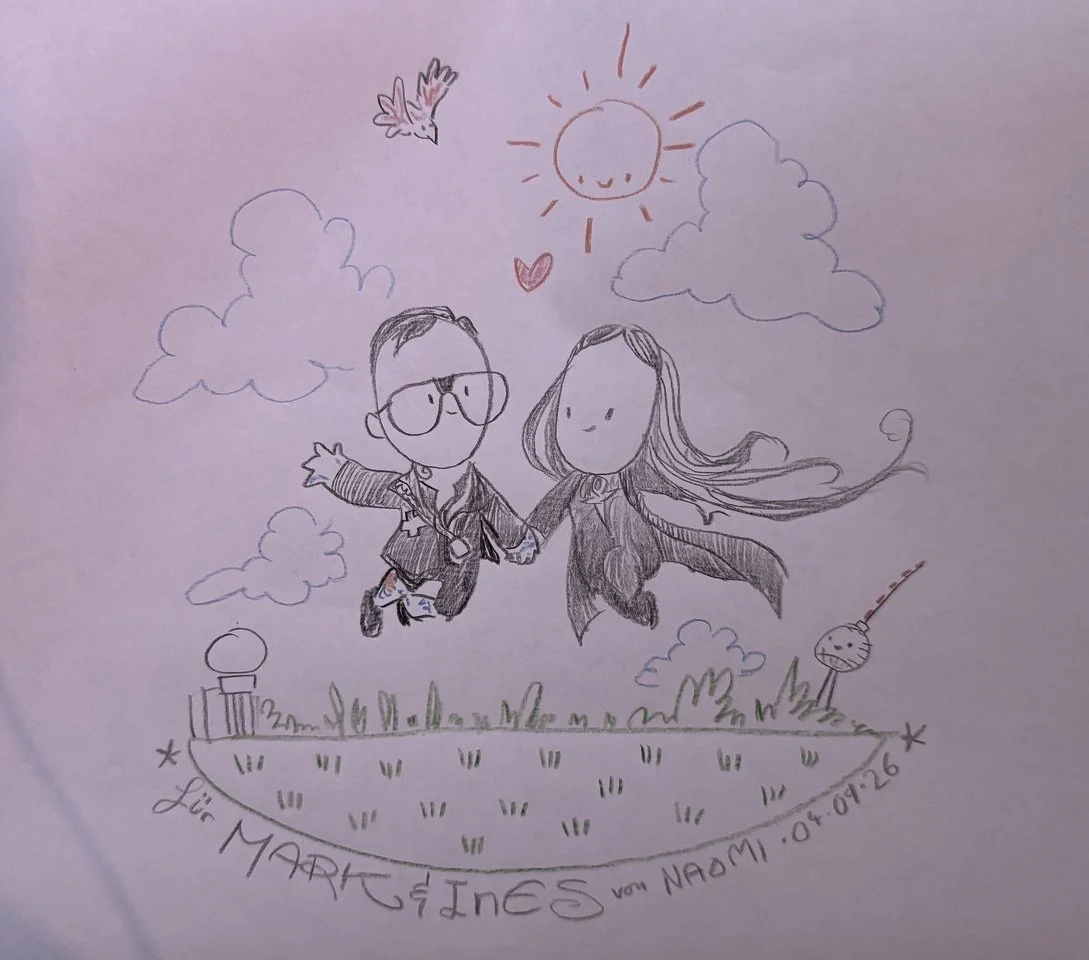
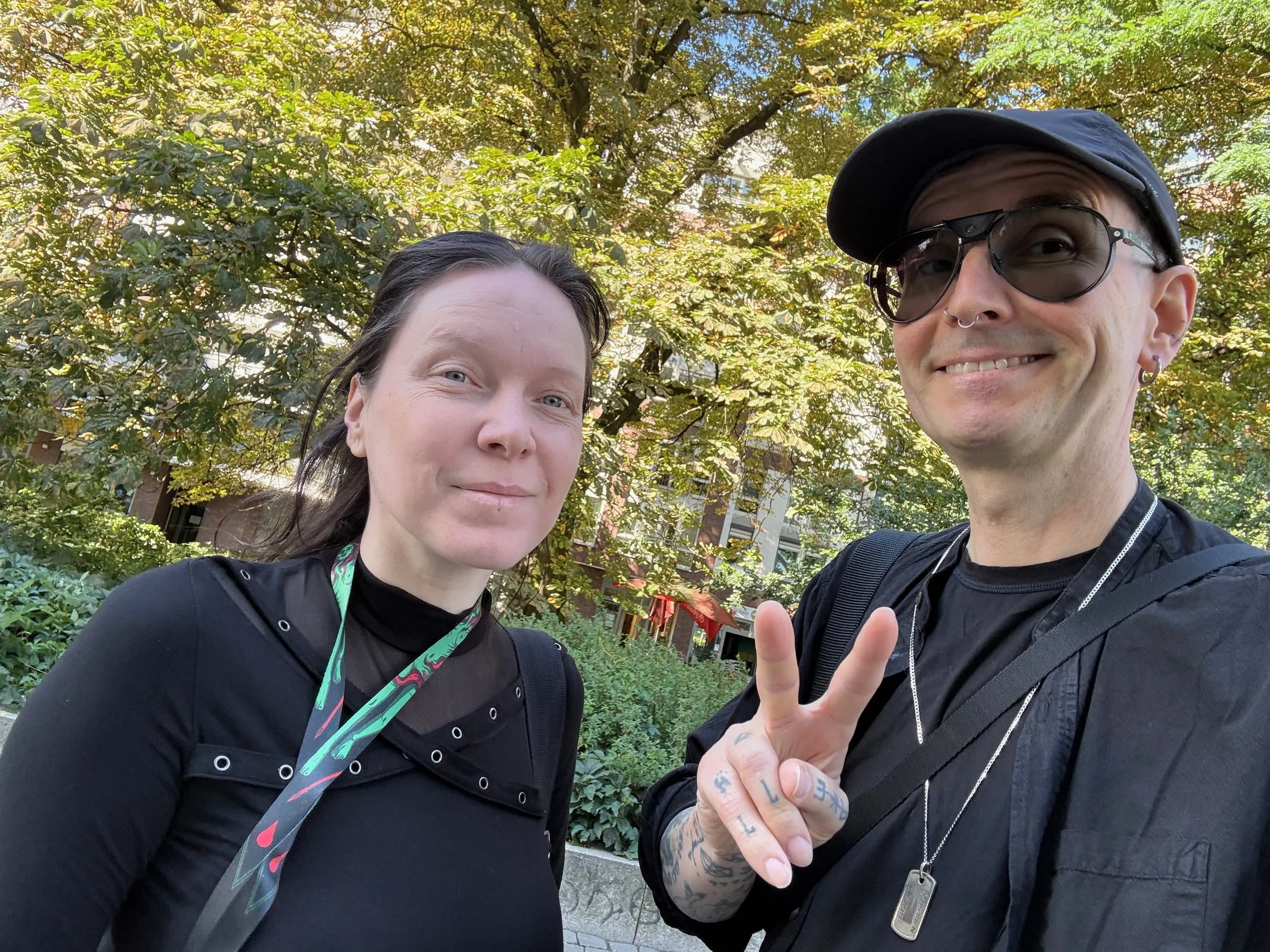
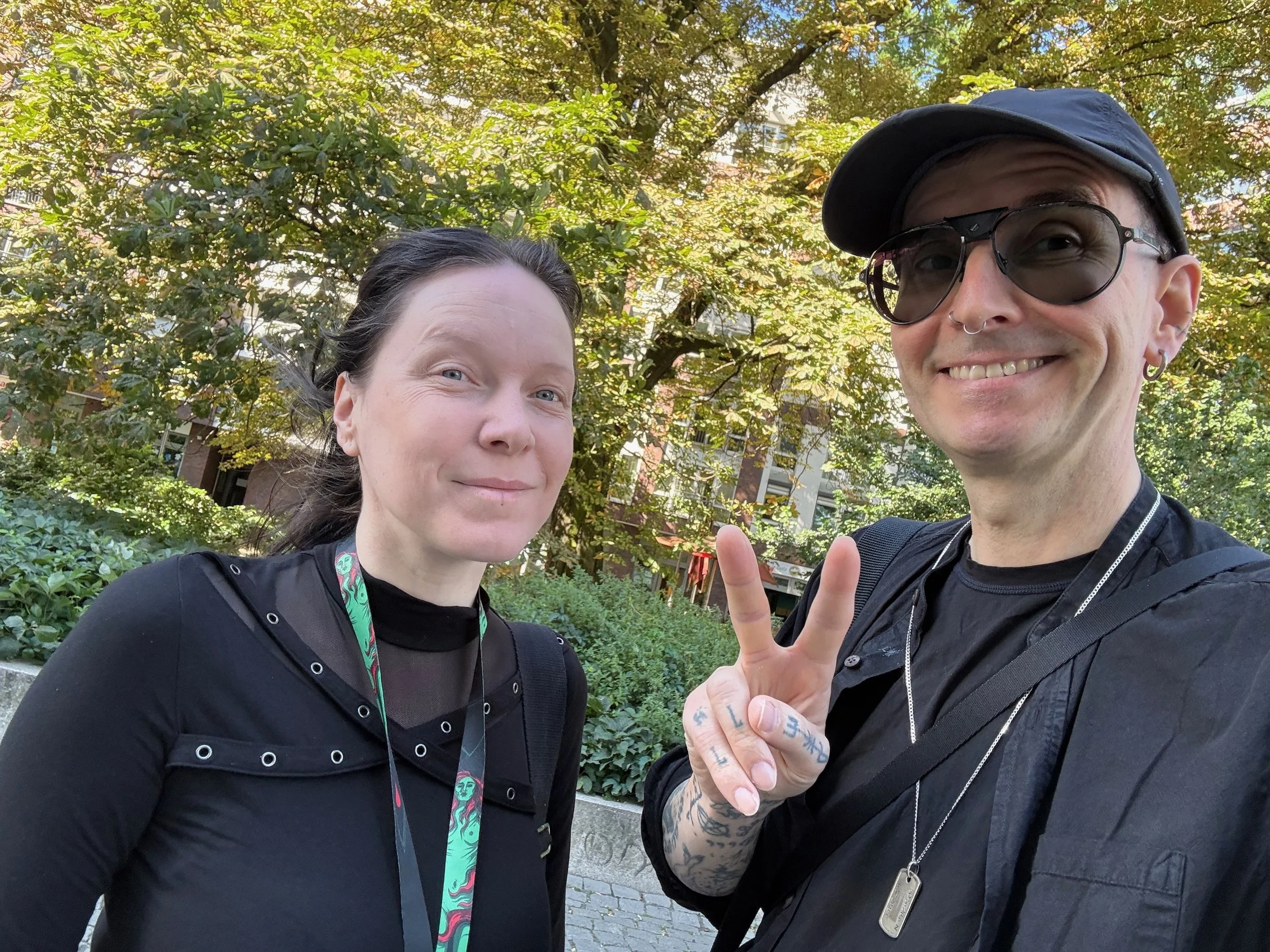
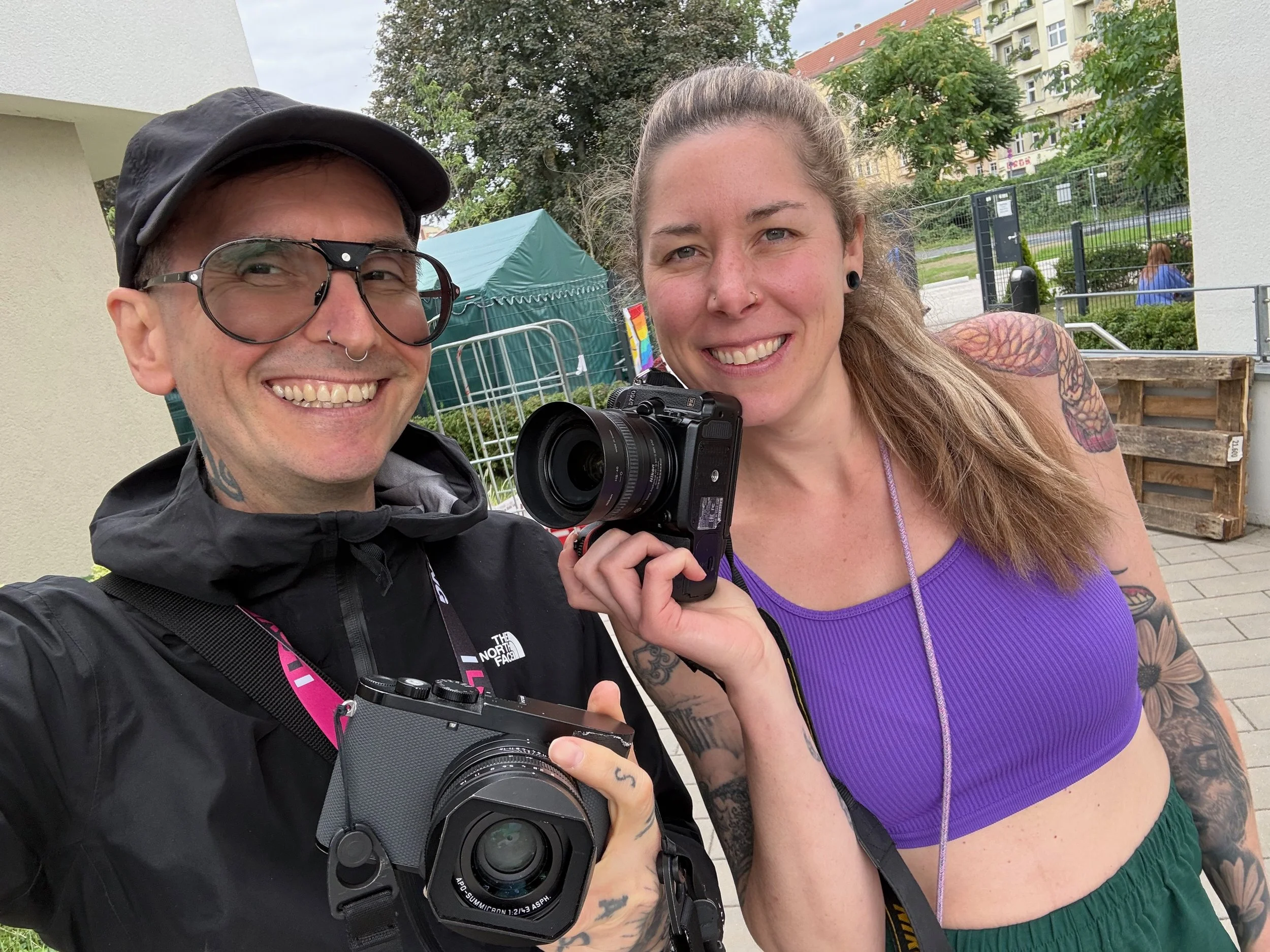
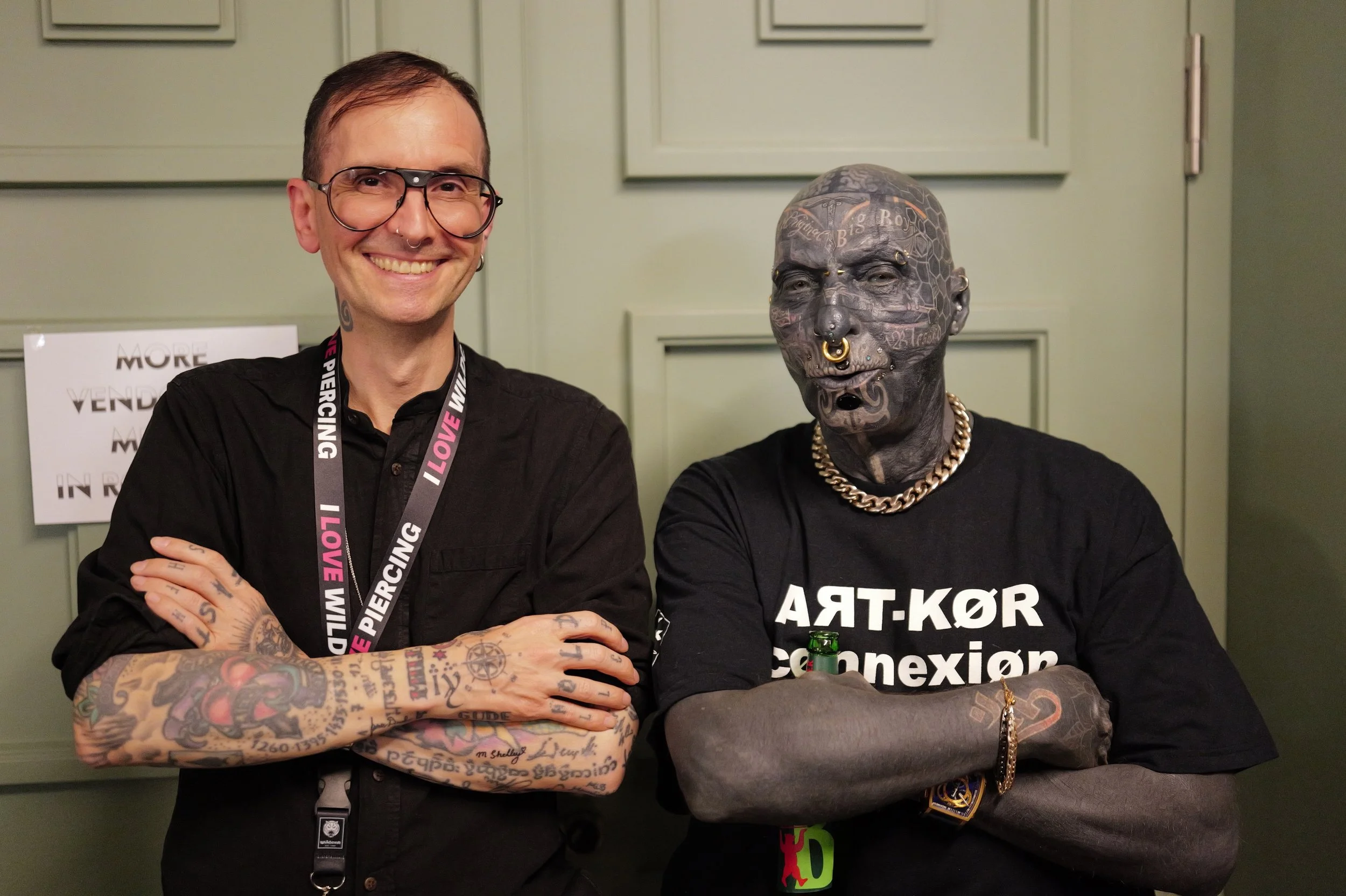
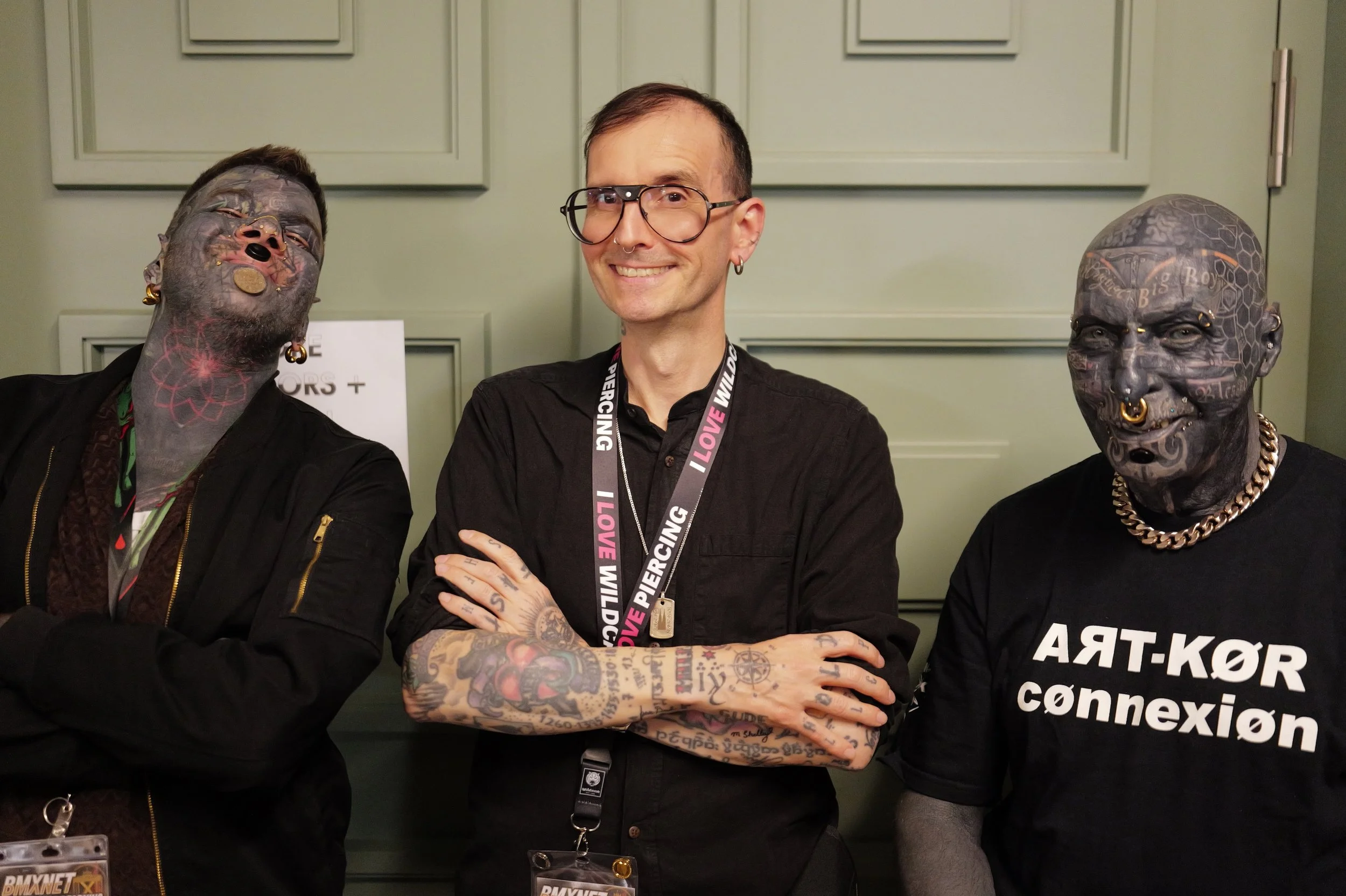
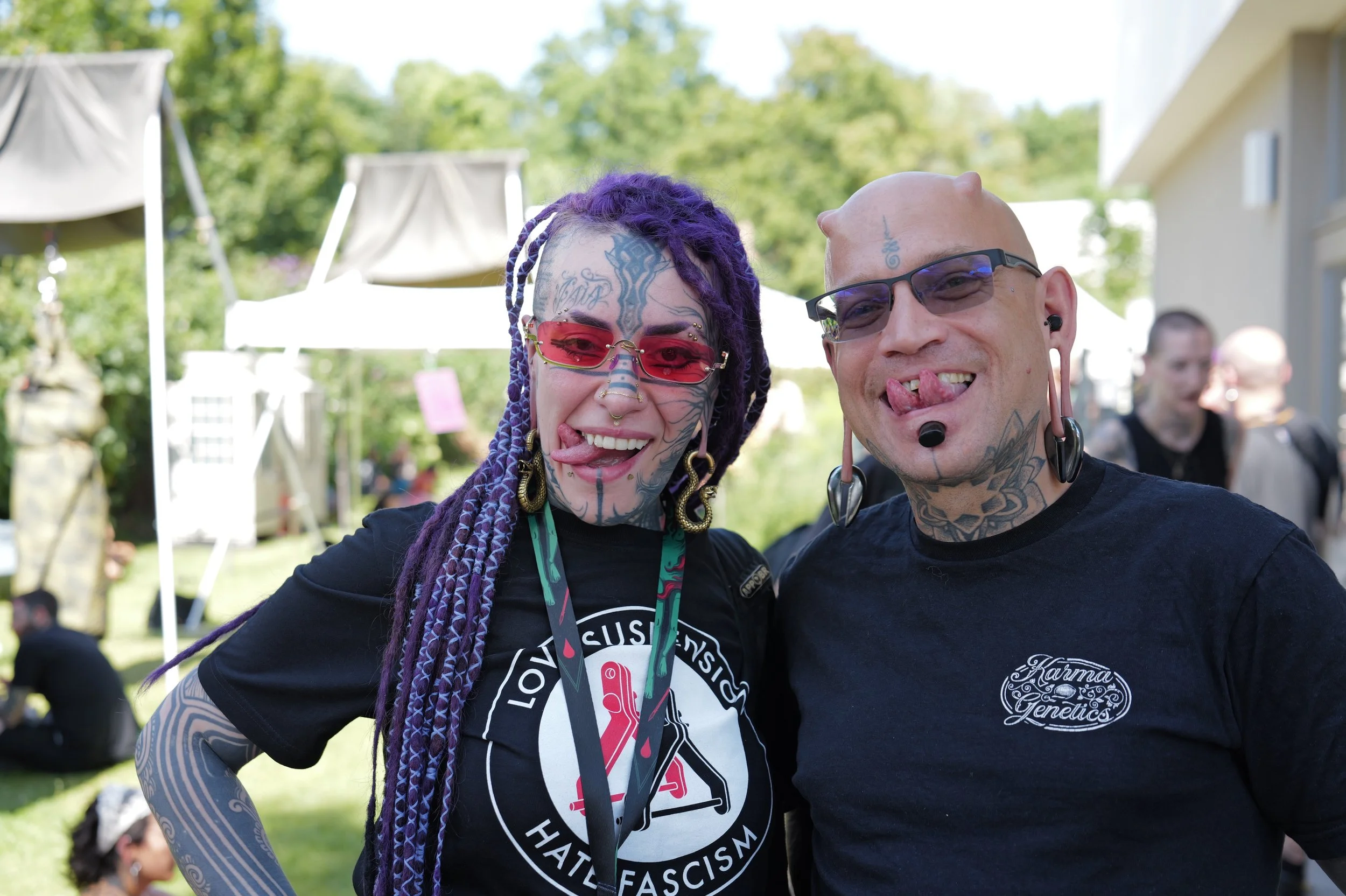
Die Österreichische Entomologische Gesellschaft ÖEG veranstaltet seit über zehn Jahren an wechselnden Orten in Österreich Insekten-Bestimmungs-Camps mit Expert:innen und Interessierten. Mark & Ines waren 2026 dabei.


Embed Block
Add an embed URL or code.
Embed Block
Add an embed URL or code.

London: The Linnean Society of London, The British Library, TfL (the Tube), Animal & Plants, Forensic Program

Mark visits British Library for his preface to "Heidi & Dracula" and to check one of his adopted books at the Linnean Society of London, the Jonstonus which was taken apart by book conservator Janet. There are unicorns and dragons!

Also: London at day (forensic class at King's Cross Capital College) 🔬, London at night 🌠, the subway / metro / tube system of magnificent TfL 🚇 as well as animals and plants of London (not too spectacular, though) 🌸


London at Day (including forensic class)


London at Night


Animals and Plants (many pigeons, ahum)


Metro / Subway / The Tube / TfL

Comic mit Mark von Evina Vogt

Der Comic entstand im Wintersemester 2025/26 an der Folkwang Universität der Künste im Rahmen eines Illustrationskurses und ist mein erstes Comic-Projekt. Die Aufgabenstellung bestand darin, eine real existierende Person als Protagonist*in in ein Szenario mit einem Hellseher oder Medium zu versetzen. Ich habe mich für dich entschieden, da ich den Kontrast zwischen deinem rationalen, faktenbasierten Beruf und der mystischen Tätigkeit eines Mediums besonders spannend fand. Zunächst entstand ein analoges Storyboard, das ich anschließend in Procreate digital umgesetzt und abschließend mit Text versehen habe.

Viele Grüße 

Evina

ihre Insta-Seite

zum Comic (.pdf)

Vampires uncloaked

Source: Bizarre Magazine, May / June 1997, pages 58-64

Mark Benecke & David Pescod

Picture: Bizarre Magazine

Most people think that human blood will be rich and thick, and rather nauseating. The opposite is true. Fresh from a cut, blood is pale, thin and sweet-tasting, warm in your mouth like milk fresh from the cow. Sucked from your lover’s body, it’s the ultimate in sharing: excitingly forbidden, enticingly primal.

More people have tried drinking blood than you’d think. “There’s a vast underground network of people who drink blood on a regular basis”, says Texas journalist Jeff Guinn, who has interviewed over 80 blood-suckers. “Usually they fall into one of three categories. The rarest are those influenced by movies and books. The second are people who honestly believe they need to do it for their health. But for the majority it is compulsive, something they have felt the need to do since childhood, perhaps after cutting a finger and instinctively licking it.”

→ click here for the fulltext version (.pdf)

Experimental verification of statements using bloodstain

Source: Rom J Leg Med [34] 154-161 [2026], DOI: 10.4323/rjlm.2026.154

article as .pdf

Kristina Baumjohann, Mark Benecke

Foto: Mark Benecke

Abstract: A man was found lying on the ground in a highway parking lot, covered in blood and severely injured in his head region. Next to him stood another man with blood on his clothes and in his face. The police suspected him of causing the injuries which he denied. We were commissioned to investigate the origin and causes of the bloodstains on the defendant’s clothing and to compare them with his statements and the blood stains on the victim. Experiments with human blood enabled us to approximate the actual sequence of events.

Keywords: forensic biology, bloodstains, blood spatter, stain evidence, experts stain lab.

Foto: Mark Benecke

INTRODUCTION

The examination of bloodstains has been used for over a hundred years to reconstruct the course of crimes and accidents, as well as to verify statements about criminal events [1].

Bloodstains can shed light on moments during the course of the crime, or they can have been created later (by the emergency services, blowflies or similar, see below). It is often possible to obtain precise movement images [2-12].

The shape features of bloodstains and blood drops are influenced, for example, by the type of ground or surface on which the blood has fallen, the height of the bleeding source, the speed of the blood as it fell to the ground and the volume of the drop of blood [13, 14].

Flies can also “cause” bloodstains or alter bloodstains at a later date if the insects regurgitate the blood they have previously ingested or deposit it as feces [3, 15, 16].

Bloodstains can form various patterns on surfaces: For example, the folds in an item of clothing can lead to gaps in the bloodstains and thus provide information about the posture of the wearer when bleeding occurred. Wonder (2001) gives a typical example of this: A woman who has been shot lies on the ground in an outstretched position (Fig. 1) [17].

The perpetrator had claimed that the victim had been standing when the shot was fired. The pattern of blood in the folds of the trousers (shading, fall of the folds) of the dead woman, on the other hand, shows that the blood pattern must have been created in a sitting and not a standing position. Gaps in the bloodstains can provide clues as to the timing of a crime (Fig. 2).

Foto: Mark Benecke

It is sometimes significant that blood which hits dry textile surfaces is (temporarily) not absorbed: according to Wonder (2001), this is said to be due to the fact that the red blood cells cannot migrate through the textile fibers; they must first change their shape and only then can they run around the fibers and penetrate the (fabric) weave [17]. The other blood components (plasma), however, penetrate the fabric without any problems.

When drops of blood come into contact with moist textile surfaces, the membrane of the red blood cells should dissolve immediately, releasing the red blood pigment into the rest of the blood (plasma). As a result, these kinds of bloodstains appear lighter, larger and more irregular than bloodstains on dry textiles [17]. If blood comes into contact with a dry item of clothing and can dry there before it is exposed to moisture or water, the bloodstains are more difficult to remove [17].

The processing of bloodstain samples requires good photographic documentation on site, especially if the presence of blood is considered natural or “self-evident” owing to the existing injuries, as is unfortunately often the case in (car) accidents [18, 19].

The same applies to serious injuries (cuts to the throat, beating to death, etc.), where the sometimes abundant quantity of bloodstains very well represent the spacetime progression (Fig. 3); although their evaluation requires many measurements of the various bloodstain groups and therefore takes a lot of time. Experiments are often also necessary.

Foto: Mark Benecke

CASE REPORT

The case presented here occurred in the evening at a highway parking lot in Austria. The police found the victim lying on the ground, covered in blood and seriously injured in the head area. The defendant stood next to the victim, his clothes and face covered in blood.

The victim showed signs of blunt and sharp forceful impact including a traumatic brain injury with fracture of the left temporal bone, various hemorrhages in the skull area, bruised areas on the colon with diffuse bleeding, a minor spleen injury, streaky epidermal abrasions on the front of the chest, a bleeding pattern on the chin reminiscent of a shoe print and a cut on the neck, which was medically consistent with the impact of a broken bottle.

Foto: Mark Benecke

The defendant stated that he had nothing to do with the injuries. He had received a hard blow to the head from an unknown person, which initially left him dazed. A short time later, he noticed the victim lying on his back on the ground, covered in blood, and tried to help him. The bloodstains on his body and clothes were created as follows: He had climbed over the injured man’s upper body with his right foot and given him mouth-to-mouth resuscitation. He had laid his right knee on the asphalt at roughly the victim’s hip height and his upper body had been bent over the victim’s upper body. He had probably got the victim’s blood on his face and clothes while he was trying to save him.

Foto: Mark Benecke

Among other things, the defendant had skin abrasions on the front of his knees and a blunt-force trauma on the right side of the back of his head.

Behind the defendant’s vehicle, the police found a mineral water bottle with bloodstains in it. The police suspected that the defendant had wanted to wash the blood from his pants and face with the water. The defendant could not remember this and stated that he had dried or wiped his hands on his sweatpants while trying to help the victim.

The victim and the defendant were intoxicated at the time of the incident (victim: 2.47 g/l blood alcohol = 2.47 percent, defendant: 0.80 mg/l breath alcohol = 1.6 percent).

Among other things, we were tasked with investigating the origin and causes of the bloodstains on the defendant’s clothing. We carried out experiments on the following and used the results to check whether the bloodstains could be reconciled with the defendant’s story:

1. The drying of blood splashes on sweatpants

2. Possible washing off of bloodstains

3. Possible mouth-to-mouth resuscitation

4. Squatting, kneeling

Our experimental case study was based on the following fundamental assumptions:

- The reddish-brown stains visible in the immediate vicinity of the crime in the photos are blood.

- These bloodstains come from the victim.

As the victim of the attack had to be given medical treatment immediately, no genetic material was obtained from under the victim’s fingernails.

MATERIAL AND METHODS

Clothing

In the client’s police forensic laboratory, we examined the trace material (M.B.) with the bloodstains and determined the textile composition of the seized items of clothing.

For the test series, sweatpants were purchased that were sufficiently similar to the original sweatpants in terms of color and fabric composition.

Before the test, the pants were washed at 40 °C with color detergent without fabric softener (Fig. 4). The experiments were carried out with fresh human blood in our forensic laboratory.

Blood sampling

Two series of experiments took place eight days apart: S1 and S2. In S1, the human blood collected in the centrifuge tube was carefully mixed with 2 ml of 1.15 % Na2 EDTA solution per 50 ml of whole blood; while in S 2, the blood obtained in the same way was used without the anticoagulant EDTA (Figs. 5, 6). Before the blood was collected, the experiments had already been set up so that the blood could be used immediately.

Foto: Mark Benecke

RESULTS

Drying of blood splatters on gray sweatpants

The suspect’s sweatpants show splatter marks running from top to bottom in a watery-bloody area of the pants (Figs. 7, 8); the splatter marks have not dissolved in this area (Fig. 9).

This indicates that the suspect’s sweatpants already had dried drops of blood on them when they came into contact with water and/or a blood/water mixture: Small bloodstains remain on the surface of a dry fabric; they become blurred or dissolve on contact with damp surfaces (Fig. 10) (Wonder 2001). This therefore indicates that the victim’s wounds were bleeding profusely when the suspect made contact with the victim; his sweatpants were dry at the time.

If there is fresh blood without water on the pants first, it dries “fixed” very quickly (after two minutes at room temperature) (Fig. 11). This “old” blood is then no longer completely dissolved by moistening with water. Even when kneeling down in a mixture of blood and water with blood-splattered trousers, the original splashes do not completely dissolve (Figs. 12, 13). In both cases the original stains, which had already dried in a short time, remain either permanently or temporarily, depending on the amount of diluting liquid and the drying time.

This shows that drops of a blood-water mixture had also reached the knee area of the suspect’s jogging pants, which were still dry at the time. The blood splatter marks on the back of the sweatpants indicate that the blood had splattered from a point higher than ground level and not from a point flat on the ground (Fig. 14).

The blood did not drip from top to bottom onto the suspect’s trousers by gravity, but by accelerated blood from the sitting or standing victim. It seems unlikely that the blood got onto the suspect’s pants when the injured person coughed it up: The part of the suspect’s pants showing the stains in question would have been shielded during a possible attempted rescue of the injured man who was already lying down.

If the blood got onto the suspect’s trousers while he was standing, it came from splashes from above and not during the attempted rescue of the victim. Even a “shaking off or shaking away with the hands” after the suspect has been rescued cannot be considered to have caused the blood splashes: The small splashes would otherwise have run very strongly or become invisible.

Possible washing off of the suspect vs. dousing of the injured person

The suspect’s statement that he had not significantly washed himself off may be true. Our tests show that instead he knelt in an existing blood-water mixture. In view of the information known to us, this may have been caused by dousing the injured, bleeding person with water.

The suspect’s hands and face were still bleeding when the police arrived: The slightly rounded, rather sharp bloodied edges in the facial hemorrhage are consistent with “slapping one’s own hands in the face” (Figs. 15, 16) and then drying the thin layer of blood on the face. After bleeding and drying the blood on his face, the suspect may (later) have put water on his face; this is suggested by the gaps in the bloodstains around his eyes, which he had kept well closed while he did so.

Possible mouth-to-mouth resuscitation

It appears that mouth-to-mouth resuscitation cannot initially be ruled out in this case. From the point of view of the bloodstains’ investigation, however, the posture of the suspect is significant (Figs. 17-19): It is striking that the crotch of his pants did not have any bloodstains. Mouth-to-mouth resuscitation would have to have been performed entirely from the side (Fig. 19). This evidence is not consistent with the statement he made to the police that he had climbed over the lying man with at least one leg and then performed mouthto- mouth resuscitation: In this position “over” the body of the injured person, the victim’s blood would have reached the crotch area of the trousers.

Squatting, kneeling

Foto: Mark Benecke

A “shading” in the form of an interruption of the blood application can be seen on the lower, rear trouser leg (at the transition between the trousers and the end “cuff” of the sweatpants) of the suspect. This gap in the bloodstain shows that and how the accused was squatting or kneeling at times (Figs. 14, 20). This gap may be (and probably is) a transfer of blood from the suspect’s shoes to his pants: The backs of his shoes have bloodstains on them; the blood probably got onto the hem of his trousers from here (Fig. 21).

This is also shown by our reenactment: The suspect’s statement that he was (in the meantime) bent over the victim with one knee on the ground, the other in the air and both feet on the ground may be correct (Fig. 17). The mere mouth-to-mouth resuscitation of an unexpectedly encountered injured person does not explain (the extent of) the bloodstains on the back of the suspected man’s shoes on their outer sides and soles.

The contact between the two men could not have taken place exclusively on the ground: If they fought with each other, they must also have been exposed to violence or have exercised violence in a standing position. If the suspect had reached the injured man lying on the ground before getting any bloodstains and had just woken up from his faint, neither the missing blood in the crotch of the suspect’s sweatpants nor the blood splash that had previously dried on his gray sweatpants could be explained.

In conclusion, this is a critical case-by-case assessment. We were able to show by means of the bloodstain experiments that:

- the suspect had contact with the person when he was standing or sitting, or in any case not just lying down, as the person was spurting blood or the suspect made swinging movements with his hand or an object

- the injured person bled onto the suspect’s dry pants, which only later got water on them. The defendant’s statements are therefore largely inconsistent with the bloodstain evidence. Conducting the experiments made it possible to verify statements made by the perpetrator in terms of an included/excluded procedure.

The results could not have been achieved through pure reflection.

When conducting an experimental examination, it is always important to use original or near-original objects and trace material from a case and to obtain as many good photos as possible at scale [20]. Experiments represent approximations of the actual course of events and thus shed a light on its measurable parts. It is worth making the effort to carry out an experimental test.

References

see .pdf

Sink your teeth in: inside the world of vampire kink

Questions by Jessie Harbourne

(Note: The interview was not used in the final text.)

1. Could you please state your name, pronouns, age, occupation, and any relevant academic or professional qualifications

Mark Benecke Mr Dr MSc BSc PhD Forensic Scientist Director of International Forensic Research and Consulting (also Head of the Transylvanian Society of Dracula (a research organization; one large study here → Vampyres among us (scientific study))

Official godfather of all vampire reports and books in the National Library in Vienna (no joke).

2. How long have you been researching or observing the ‘real-world’ vampire community?

  • researching since 1992

  • direct personal observing since 1997 

3. In what capacity, if any, are you personally involved in the vampire community? How do you self-identify in relation to this subculture?

  • friendly observer

  • sometimes embedded observer

  • researcher

  • (in case you want to use a joke: 'talamascan')

4. From a scholarly or personal perspective, what aspects of vampirism and the vampire community do you find most compelling?

From today s perspective after more than thirty years: How absolutely genuinely the vamypres do exhibit many traits of movie, fiction or folklore vampires: Overseen, often gloomy and slow, sometimes super witty and like "old souls", mostly shyish and staying in the social shadows — without cosplaying or roleplaying: They really ARE like that. 

The sanguinarians are interested in blood consumption as a bonding tool; psychic vampyres experience it mostly in their phantasy where it however does have a clear effect on them.

5. How would you define “vampire kink” for readers who may be unfamiliar with the term?

I have never in my life heard the term in thousands of interactions with vampyres until you asked about it. 

It is perhaps a preconceived notion of outsiders who kinda wrap their non-understanding over the scene by using ideas that make sense for them. Sanguinarian vampyres may feel triggered by blood but it is about personal bonding, not about a sexual fetish. During the many internal meetings I took part in, i never saw vampyres dressed in an overly sexualized or classical kink style like fetish clothing.

Or it is just a new term I just learned and that is positive and accepting.

6. In your view, what psychological, social, or cultural factors contribute to the appeal of vampirism as a practice or fantasy?

I have no information about the phantasy part. The practice part is fed (pun intended) by the feeling that standardized human social contacts do not fulfil the vampyre s desire for a very strong and truthful, reliable bond. Blood is always "true", it is there or not — no interpretational margin possible. 

Most if not all of the vampyres are neurodivergent as one can clearly see from the Atlanta Vampire Alliance study and our large european study. Neurodivergents often feel like strangers, aliens, not belonging etc., so their journey into the social shadows starts early. All of them are bookworms, nerds etc. and many also strongly dislike bright light which is typical for autistic persons. 

I often think: Probably many of the neurodivergent vampyre "kids" just made the technically correct assumption that what they hear and read and see about vampyres just fits to their personal experiences and character traits, so — again, typically neurodivergent — they tell themselves: Well, then I must be a vamypre. They just literalized their experiences and observations.

7. To what extent do you think vampirism and vampire-related kink reflect broader societal dynamics: for example, themes of power exchange, repression, or queer identity?

All of it. The queer aspect got light shed upon mostly by researchers from the cultural and social sciences fields because queerness and oddness is inherent in the vamypre subculture so noone saw or defined it before i guess. 

Since most of the vampyres I met never cared about or discussed gender — they just take any person as he, she it or they are —, it became only obvious to me at the Timișoara conference in 2015 when people like me for the first time met young literature sciences and queer studies scientist. Of course the whole topic of shape shifting etc. always attracted queer people but in the 1970s, when especially the lesbian vampyre was a huge thing, noone understood the force of attraction. 

Same is true of course for the Rocky Horror Picture Show where especially in Manhattan at Village East Cinemas noone ever asked what gender the current person impersonating Frank N. Furter in front of the screen was. 

The power exchange motif became salient to me when I saw how excited sanguinarians may become when it comes to blood but also at the same time crave for stability and trust. It s a bit like in a healthy BDSM relationship where the boundaries are clear and the sub — not the dom — is therefore in power. 

Another aspect took a very long time time for me to understand: There are many asexuals in the sanguinarian vamypre community who love to hug, giggle, nerd around, donate blood or drink it but it is clear they are not interested in contacts involving genital organs or nudity. It is very empowering for them to see that this is fully accepted and noone desires to comment or this. So it is a positive kind of control: Noone questions or pushes your boundaries.

8. How significant is the influence of pop culture such as Twilight, The Vampire Diaries, Dracula, and the broader “erotic villain” trope in shaping contemporary vampire kink and identity practices?

Very strong. We measure this directly by the number of persons who aspire to become formal community members in the largest and oldest continuously running, fully active vamypre society. Depending on trends, books, movies, Netflix etc., not only does the number of requests fluctuate but it comes sometimes even down to the type of clothing that is chosen at festivities. (During normal meetings, nobody dresses up.) 

One movie series that is often forgotten in this context is True Blood (2008—2014) where mostly street clothing is worn and the sexual aspect was overtly played upon, but also werewolves and fairies were finally understood as part of the wider community. 

In hindsight, this was of course a reference to the different types of neurodivergents but it took a few more years until that was fully understood. Werewolves for example cannot easily be integrated into the vamypre community because they are 'out of control' but fairies, 'beings of light' and some others who prefer a more silky path fit relatively well into the real life vampyre subculture.

9. What recurring themes tend to appear within the ‘real world’ vampire communities?

Cookies, cake and sparkly glittery cocktails. 

10. What are some common misconceptions or stereotypes about vampire kinks that you believe require clarification?

That it is a classical kink. Unlike BSDM or any fetish I know, vampyres deal with human, sorry, i mean vamypre bonding on a deep level only; sex or clothing style (or feet or you name it) are not a general or necessary part of it.

11. Would you characterise the vampire community as predominantly open and public-facing, or more private? What factors influence this?

Some main players who loved the public and the attention did come out once in a while. I liked (or like) many of them a lot and we always kept a friendly collab vibe between us. Some of them are dead by now, some went back into the social shadows.

In general, sanguinarians have had it with the press because every single time, the reports in the end used stereotypes like bats, cemeteries, blood fetish stuff and Dracula as a context. This is like describing a university journal in the year 2026 as run by pot smoking, flower design wearing liberal hippies who distrust everyone older that thirty, getting up at noon at the earliest and having a good time only if slam drinking of alcohol is involved. Yes, that existed and may exist somewhere. No, it has nothing to do with how a university journal works. 

The vampyres call it 'media exploitation' and most of the times, they either send me out to explain it based on scientific studies and observations or they do not reply at all because they never see representation of what goes actually goes on, so it becomes boring, fatuous and intrusive for them. 

12. In what diverse ways do individuals engage with vampire identity, lifestyle practices, or kink expressions?

By know, i know vampyres in nearly every line of work and very many clothing styles, including street clothing. They prefer deep, slow thought and hate pretence. That s probably the clearest common denominator.

13. Discussions of kink can sometimes be stigmatised. What do you wish more people understood about fantasy-based kink practices and the lived realities of the modern vampire community?

That it is about bonding, and that that is a very good thing. Some people learn solid and sincere bonding over latex and leather, some via BDSM, and vampyres learn it by slowly pussyfooting into a territory that was formerly uncharted for them.

14. Finally, is there any aspect of vampirism, vampire kink, or community that you feel would be important for readers to consider? 

Ahum, this will not make me new vampyre friends but, well, vampyres are the funniest, friendliest, unprejudiced persons I know but they are also overly shy to a point where if you plan a party, many surprises will happen in a corner of a room.

Entführungs- und Todes-Fall Lindbergh

Quelle: BILD, 31. Mai 2026

Der berühmte Fall des Atlantik-Überfliegers Charles Lindbergh wird vielleicht wieder aufgerollt. 

Von Jörg Schaefers und Jörn Ehlert

Ihr kennt ihn — oder könnt ihn kennen lernen — in meinem Buch "Mord-Methoden", wo ich die spannende kriminalbiologische Untersuchung zusammen gestellt habe. Es war gar nicht so leicht, an die Unterlagen des holzkundlichen Kollegen zu kommen. 

Jetzt wollen Forscher 15 Erpresserbriefe aus dem Fall auf Speichel-DNA untersuchen — weil in den 1930ern Briefmarken noch angeleckt wurden. 

Ihr Verdacht: Hauptmann war unschuldig, der echte Täter war Lindbergh selbst! Zweieinhalb Jahre hatte die Polizei damals gebraucht, bevor sie mit Bruno Hauptmann einen Verdächtigen präsentieren konnte in diesem „Crime of the Century", wie die US-Zeitungen schrieben, dem „Verbrechen des Jahrhunderts". 

Hauptmann, in Deutschland wegen Diebstahls und Raubes vorbestraft und 1923 als blinder Passagier in die USA eingewandert, wurde der Prozess gemacht, ein kurzer Prozess: Todesurteil trotz jeder Menge Ungereimtheiten. 

Deutschlands bekanntester Kriminalbiologe Dr. Mark Benecke (55) ist davon nicht überzeugt: 

„Im Fall Lindbergh gibt es sehr starke Belastungsbeweise. Besonders ein Stück Holz aus einer verwendeten Leiter." Der Täter soll eine Leiter verwendet haben, um in das Zimmer des Jungen zu gelangen. Die Polizei fand bei Hauptmann später Holz, dessen Jahresringe laut Benecke zur verwendeten Leiter passten. 

„Ich finde kriminaltechnische Nachprüfungen grundsätzlich aber immer gut und fördere sie bzw. führe sie selbst durch", so der bekannte Kriminalbiologe. 

„Es gibt manchmal falsche Grundannahmen und/oder neue Untersuchungstechniken."«  

Gespannt der eure: Marky Mark 

Personen-Vorstellung: Présentation de Mark Benecke

Salut Mark,
Merci becaoup pour ta réponse rapide!
Im Anhang findest du meine kleine Präsentation auf A1- Niveau und ein Foto von heute. Mir ist dann doch nach Recherche ein Fun Fact begegnet, den ich ganz cool fand.
Die Präsentation kam super an und wir haben im Kurs dann auch höchst essenzielle Vokabeln, wie das Wort Made lernen können.
Ich schicke dir und auch Tina ganz liebe Grüße
Ronja

Das Vegane Zeitalter. Wenn Mitgefühl erwachsen wird. Eine ethische Ansage.

Quelle: HRSG Iris Asiya Pasternack, ISBN: 9798274869553, Seite 41

Gastbeitrag Dr. Mark Benecke, Kriminalbiologe & Tierrechtsaktivist – Deutschland

Mitgefühl ist bei tierischen „Lebensmitteln“ messbar eine Lüge. Kein heute lebender, mitfühlender Mensch aus Zentral-Europa, der eine Schlachtung oder das Zusammentreiben von Tieren direkt vor der Schlachtung erlebt hat, fasst je wieder ein Tier-Produkt an.

Dasselbe gilt für die maschinelle „Verarbeitung“ von Hühnern und Puten, von Milch und allem anderen.

Das Abstechen, Verbrühen, mit Strom betäuben oder eben auch nicht, an Geräte anschließen und im Kot siechen lassen – niemand, der Tier-Produkte verwendet, fühlt hier mit. Es ist den betreffenden Menschen einfach scheißegal.

Nicht mehr, nicht weniger. Mir sind diejenigen fast lieber, die offen zugeben, dass sie null Mitgefühl haben und gegen Zucht, Folter und Vernichtung nichts einwenden, solange ihnen ihr Leichengewebe mundet.

Wenigstens sind solche Menschen ehrlich und lügen sich und anderen nicht stundenlang vor, dass sie tierlieb seien. Vor Gericht würde jede und jeder die Augen rollen, wenn ein Angeklagter einen dermaßen frech gelogenen Unsinn über angebliches Mitgefühl berichten würde.

Mark Benecke
Dezember 2025

Hanacon Cosplay-, Manga-, Anime-Con in Hannover (2026)

Fantastische Menschen auf der Convention in Hannover mit Star-Gästin Hastune Miku (live) und supervielen weiteren bezaubernden Menschen, auch im HanaBon-Café 🍰, auf der Bühne, am Klavier und der Näh-Nadel 🧵

Coole Sticker uns Kunst gab's auch ✨

Mehr geht nicht.

Fotos: Weiterverwendung nur nach schriftlicher Absprache. 

Use photographs only after writing with Mark Benecke.

Serienmörder Peter Kürten

Ein Gespräch über den Serien-Täter Peter Kürten aus Köln und Düsseldorf für die St.-Franziskus-Realschule Olpe mit Kriminal-Biologe Dr. Mark Benecke. Sein Name "Vampir von Düsseldorf" ist etwas irreführend, aber er verwendete Stich-Werkzeuge und freute sich bei seiner Hinrichtung darauf, dass sein eigenes Blut sprudeln würde. Auf der großen Serienmord-Ausstellung in Berlin (2025) war Kürten schon nicht mehr nennenswert vertreten, der Fall gerät offenbar so langsam in Vergessenheit.

Personen-Vorstellung: Présentation de Mark Benecke

Serienmörder Peter Kürten ✂️

ME/CFS: Dauernde Ermattung

Liegend-Demo mit den Angehörigen und Betroffenen von ME/CFS, Post Vac & Long Covid in Köln auf dem Alter Markt mit Dr. Mark Benecke  ✨

Verblüffend ist, dass manche Ärzt:innen das Krankheits-Bild mit Niedergeschlagenheit verwechseln, obwohl die Erkrankten nichts mehr wünschen, als wieder am Leben teilnehmen zu können 🌿

Wikipedia schreibt:

»Klassifikation nach ICD-10-GM: G93.3 Chronisches Fatigue-Syndrom [Chronic fatigue syndrome], Chronisches Fatigue-Syndrom bei Immundysfunktion, Myalgische Enzephalomyelitis, Postvirales (chronisches) Müdigkeitssyndrom. Klassifikation nach ICD-11: 8E49 Postvirales Fatigue-Syndrom. 

Die Myalgische Enzephalomyelitis / das Chronische Fatigue-Syndrom (ME/CFS) ist eine chronische Multisystemerkrankung. Das Leitsymptom ist eine nach Belastung einsetzende starke Zustandsverschlechterung, die als post-exertionelle Malaise (PEM) bezeichnet wird. Sie kann durch körperliche oder geistige Anstrengung sowie durch Überreizung (z. B. durch Licht oder Geräusche) ausgelöst werden.

Die Zustandsverschlechterung ist durch eine oft (um Stunden oder Tage) zeitversetzt eintretende Verstärkung der weiteren Symptome gekennzeichnet. Zu diesen zählen Fatigue (eine ausgeprägte Entkräftung), Störungen des Schlafs, autonomer Körperfunktionen und der geistigen Leistungsfähigkeit sowie Schmerzen und infektartige Krankheitserscheinungen. Die Symptome führen zu erheblichen Einschränkungen im Alltag und in schweren Fällen zu einem hohen Grad an Behinderung.

Die medizinische und soziale Versorgungssituation der Betroffenen gilt als problematisch. Erkrankte erleben Stigmatisierung.

ME/CFS tritt meist infolge viraler Infektionskrankheiten wie des Pfeifferschen Drüsenfiebers, der echten Grippe und COVID-19 auf. Die genauen Mechanismen, die die Entstehung und Entwicklung der Krankheit bewirken, sind unbekannt. Beschrieben werden vor allem Störungen des Immunsystems, des Stoffwechsels, des Nervensystems und der Durchblutung.« 

Wave-Gotik-Treffen (WGT) 2026

Hitlers Schädel (und Zähne) und Lampenschirme aus Menschenhaut
Kriminalbiologe Dr. Mark Benecke untersuchte im Auftrag von National Geographic und dem russischen Geheimdienst FSB Schädel und Zähne von Adolf und Eva Hitler sowie die angeblich aus Plastik bestehenden Lampenschirme, unter anderem aus dem KL Buchenwald und von Straßen- und Speicher-Funden. Die Untersuchungen stellen sich als kniffeliger heraus als erwartet, da nur Teile von Hitler den Weg nach Moskau schafften. Auch die Gewebe-Stücke aus Buchenwald geben ihre Geheimnisse erst nach Untersuchungen mit verschiedenen Verfahren, darunter dem Vergleich eines eingelegten Herzens mit alten Fotos und einer eigens entwickelten Erbgut-Technik preis.

Hitler's skull (and teeth) and lampshades made of human skin
Forensic biologist Dr. Mark Benecke examines the remains of Adolf and Eva Hitler in Moscow. Later, he was asked to check the lampshades from Buchenwald camp in Germany that were thought to be made of plastic — but they were not. The investigations were trickier than expected, as only parts of Hitler's remains made it to Moscow. And the tissue samples from Buchenwald only revealed their secrets after using various lab but also museum techniques, including the comparison of an actual heart in a jar with old photographs and a specially developed genetic analysis technique.

WGT 2025

WGT 2024 (Tagebuch)

WGT 2024 (Orkus!)

WGT 2023


Tolle Momente unter anderem mit Patenbrigade:Wolff, wo Mark als Brigade-"Arzt" für Ordnung auf der Bühne sorgte, Lacrimosa, London after Midnight, bezauberndsten Gothics, Kim Wilde, den Einstürzenden Neubauten (!), Auger, Moonspell, DJ Elvis, DJ Oliver Klein, Solar Fake, Schnittmuskel, Aesthetic Perfection und sehr sehr vielen mehr 🖤

Gaining insights from stomach contents

Source: Rom J Leg Med 34: 39–46, 2026; DOI: 10.4323/rjlm.2026.53

article as .pdf

Artikel auf deutsch

Kristina Baumjohann, Mark Benecke

Abstract: Stomach contents can – together with other medico-legal methods – be used to narrow down time since death. Two cases (suffocation/bolus in a nursing home & abduction/homicide) presented here as well as the scientific literature show the use of the method to verify statements related to criminal investigations.

Keywords: Stomach contents, determination of time of death, statements, information content

INTRODUCTION

Figure 1. Stomach contents with predominantly grain-like components.

Forensic examinations of stomach contents in deceased individuals have been conducted for over a century. Corin investigated the gastric dwell time of coffee in living subjects as early as 1898 [1]. Three years later, Farrai (1901) conducted studies on the postmortem digestion of protein in dogs [2]. Due to the continued transport of food in the stomach after death, he deemed this method unsuitable for calculating the time of death. Various (animal) experiments on postmortem digestion have been conducted in recent decades [3, 4]. Merkel (1922) also demonstrated possible continued digestion after death in his work, but considered it insignificant due to the small quantity [5]. Madea et al. (1986) confirmed this in an animal experiment [6]. Henssge & Madea (2004) noted the bacterial decomposition of food after death [7].

Sorge (1904) advocated using stomach contents to obtain information about the time of death [8]. Holczabek (1961) was of the opinion that small and large intestine contents should also be used to provide information about the time of the last meals and their composition [9]. If the time between the last food intake and the time of death, as well as the composition of the food, is known, the stomach contents — along with other forensic methods — can provide rough indications of the time of death.

However, the stomach contents can also provide interesting clues about the circumstances of death. If the time of death is not precisely established or if several times are possible, the stomach contents can narrow it down (“earlier,” “later”). The type of meal, the time of day (e.g., breakfast, lunch), the location of the meal (e.g., a specific meal at a restaurant, a visit to friends, etc.), and the verification of statements and interpretations for temporal reconstruction should not be neglected [7]. The significance of stomach contents is not only relevant in the context of forensic medical examinations. Other medical and scientific fields have also conducted research on this topic and investigated gastric emptying in relation to anesthesia prior to surgery (“fasting”) [10-12].

Grover & Camilleri (2013) investigated the influence of antidepressants on gastric activity in patients with irritable stomach and irritable bowel syndrome [13]. For example, buspirone affects the stomach’s ability to relax, which is necessary for food intake (volume increase), while tricyclic antidepressants delay gastric emptying. These findings may also be relevant for questions in forensic medicine. In an archaeological context, Dickson et al. (2000) analyzed the large intestine contents of the glacier mummy “Ötzi” using isotope analysis to investigate his diet at the time [14]. Plant fragments can provide not only archaeological evidence, but also forensic clues: The presence of diatoms in the stomach can indicate death by drowning [15, 16].

Figure 2. Seed-like grains from the stomach.

Besides food residues, other substances in the stomach are also revealing: Lang (2015) found soot particles and carbon monoxide in the stomachs of some burned corpses, which he interpreted as signs of life during the fire [17]. Hemorrhages in the gastric mucosa not caused by stomach contents can – among other findings – indicate death from hypothermia [18-22]. These hemorrhages are also called Wischnewski spots [19, 22] (or Wichniewski [21] or Wischnewsky spots [18]).

Pope (2012) reports on a robber who was shot during a robbery. The contents of his stomach led to the identification of his accomplice, who had escaped [23]. Typical burger remnants (ground beef, cheese, bacon) and French fries were found in the deceased’s stomach. One French fry was undigested, indicating that the meal had been eaten no more than an hour before death. The medical examiner was able to attribute the thicker French fries to a specific fast-food chain, a branch of which was located in the immediate vicinity of the crime scene. The store’s surveillance system showed the deceased robber with his accomplice, who was subsequently identified.

In a case report by Kerscher et al. (2024), a 70-year-old man lost consciousness in a sauna and sustained third-degree burns [24]. He died in a burn clinic 11 days later. His stomach contained approximately 200 ml of thickened gruel with coarse plant matter, which was not found in the duodenum or subsequent intestinal segments. The stomach contents must therefore have been the last meal the man had consumed before entering the sauna. The complete absence of gastric emptying for eleven days is described here for the first time. The authors question the use of the stomach contents to infer the time interval between the last food intake and death.

Figure 3. Plant components from the stomach.

A similar case was reported by Püschel (1996) [12]: A 15-year-old boy suffered burns covering 50 percent of his body surface and died of sepsis after 10 days of intensive care treatment. Green beans, which he had eaten before the burn event, were found in his stomach. Injuries and diseases of the digestive tract can apparently slow down or even stop the gastric dwell time of food components for an unknown period.

Püschel (1996) illustrates this with another case: A 52-year-old alcoholic died from gastric bolus after 14 days of treatment for an extensive subdural hematoma [12]. During this time, he was exclusively fed artificially.

A 3 x 10 cm food bolus from the stomach blocked the laryngeal inlet, and had remained in the stomach for over 14 days without being transported further or digested. Tröger (1987) also points to a cessation of gastric emptying in cases of severe traumatic brain injury [25].

In forensic medical practice, it should be noted in such cases that there is “no ‘reliable’ time limit regarding whether gastric emptying has occurred.” [12]. Tablet residues in the gastrointestinal contents can provide evidence of poisoning and further information about the circumstances of death (e.g., suicide) [26]. For this purpose, the quantity and composition of the ingested substance(s) must be known. In addition to chemical analysis of the substances, the type and quantity of certain excipients or fillers in tablets (e.g., types of starch and cellulose) can be examined using a polarizing microscope. This method can also be applied to tablet residues in glasses, residual liquids, inhaled fluids, or vomit.

Figure 4. pH value determination of stomach contents.

Singh et al. (2016) describe the murder of a young woman [27]. During the police investigation, her husband and his brother, as well as her own brother, gave conflicting statements. The men’s statements were verified on the basis of the partially digested rice found in the victim’s stomach: The woman had ingested the rice approximately two to three hours before her death. This finding contradicted the statements of the husband and his brother.

Stomach contents were also used to verify statements in another case: Pieri et al. (2018) examined the proteins in the stomach of a 40- year-old patient who apparently died in a hospital around 9 a.m. as a result of a fall [28]. The nurses testified that the man had refused breakfast. 350 g of a whitish, semi-liquid mass was found in the deceased’s stomach. An analysis of the proteins contained within showed that they were digested milk and bread proteins from the breakfast eaten that same day. Due to the discrepancy between the forensic findings and the staff’s statements, an investigation into possible negligence was initiated.

The composition of stomach contents can also provide information based on its physical properties: Gotsmy et al. (2018) and Jackowski (2023) point to the characteristic three-layered stomach contents in cases of drowning [29, 30]. This is due to the ingestion of varying amounts of water. This layer settles at the top (so-called “Wydler’s sign”), and indicates drowning deaths. Cases without drowning show two-layered stomach contents. In this context, Gotsmy et al. (2018) point out possible discrepancies in the number of gastric contents layers between PMCT (postmortem CT) and the forensic examination [29]. These are likely due to the technique used to collect the gastric contents in the autopsy room, as well as to movement of the body during the autopsy or before/after PMCT.

The examination of the gastric contents is preceded by the identification of the food components, which can be difficult with highly digested foods. Baur et al. (1982) demonstrate how to differentiate between milk and cheese using double diffusion tests and specific sera [31].

Figure 5. Throat contents with three crumbs.

Plant components have diverse structures and are sometimes difficult to identify. In our experience, the work of Spann (1978) [32] and the laboratory handbook by Bock et al. (1980) [33] are good reference works for the identification of plant cells. Various factors influence the gastric emptying rate and the digestive state of food. Water is emptied more quickly than carbohydrates [11], and the latter are emptied more quickly than mixed foods [26]. The gastric emptying process slows with increasing carbohydrate and triglyceride content [34] In addition to the fat and energy content and the volume or weight of a meal [7, 35-37], the physical and chemical properties of the food (e.g., temperature, pH) also play a role [38]. Jatti et al. (2010) identify three categories of factors influencing gastric emptying: psychological, physiological, and anatomical circumstances [38].

Since gastric emptying is controlled not only by predominantly physiological factors but also by emotions, the latter being particularly significant in criminal cases, as gastric emptying can be accelerated by anger and aggression, slowed by depression, anxiety, and stress, or even stopped by the parasympathetic nervous system in cases of shock, fear, or head injury, thus halting the production of gastric acid [35, 36, 38-40]. Undigested food can then be found in the stomach even after 24 hours [38]. Further influencing factors and their effects on gastric emptying are listed in Table 1.

Additional factors affecting gastric emptying are listed in a table in Henssge & Madea (2004) [7], Jaffe (1989) [45], and Legge et al. (2016) [36].

There are differing reports regarding the duration of gastric emptying: According to Patel et al. (2013), the stomach is generally emptied after 2.5-6 hours [46]; Grassberger & Schmid (2009) report 2-4 hours with a wide range of variation [47]; and according to Kaul et al. (2017), emptying takes 4-6 hours [48]. The latter investigated the emptying rate(s) in 507 cases with known time of death and last meal. While the digestion status of the food proved significant in calculating the time of death, this should only be considered in conjunction with other factors for calculating the postmortem interval (PMI). Grassberger & Schmid (2009) also consider estimating the time of death solely based on stomach fullness and food composition to be insufficiently accurate [47]. This is understandable, given the factors listed above that influence gastric emptying.

We present two cases from our expert witness practice, in which the stomach contents of deceased individuals allowed for both inferences about the time of death and the verification of statements.

CASE 1

A married couple was held captive for two to three days and then murdered. We were tasked with determining when the deceased man had consumed the meal found in his stomach.

Methods and findings

The stomach contents were delivered in a PE container approximately 8 cm high and 5 cm in diameter, inside a polystyrene box with cooling elements, and were frozen upon delivery (3-star freezer compartment). Two hours before the start of the examination, the 53 g of stomach contents (measured on a Kern 440-35N precision balance) were thawed at room temperature and transferred to Petri dishes that had been previously wiped with methylated spirits. Under the binocular microscope (Leica Mz 12.5), 20 g of the predominantly deep dark grey colored stomach contents were examined in more detail and pieces were sorted according to color, shape, and size (Fig. 1).

Seven groups of relatively uniform, still easily identifiable components could be separated:

1. Coarse, soft, gelatinous pieces about one centimeter long, with distinct cut edges.

2. Larger, gelatinous pieces measuring over one centimeter, mostly sharply defined (with distinct cut

edges).

3. Seed-like granules about two millimeters in diameter with a smooth surface or a surface marked by small indentations: Two different types of seeds or grains (Fig. 2).

4. Seed-like granules about five millimeters long and three millimeters wide, reddish-brown.

5. Soft, light-colored components with simple longitudinal grooves, about three to four millimeters wide and about six millimeters long.

6. Larger, partly limp pieces, probably from plant parts, possibly husks.

Figure 6. Bean fragments from the stomach.

7. Smaller, reddish-brown husks, probably from plants, and a single pear-shaped component (Fig. 3). Four ml of sterile, distilled water were added to the remaining stomach contents for pH measurement using a Merck universal indicator (pH 0-14). The displayed pH value (between pH 3 and 4: acidic) indicated an acidic environment, which is normal for the stomach (Fig. 4).

Interpretation of the findings

The glassy, gelatinous structures (group 2) were classified as fig components by a botanist we consulted. This was consistent with the subsequent police report that a package of dried figs had been found at the scene.

The predominantly three- to five-millimeter-long, plant-like, grain-like structures (such as those from a grain-based dish or bread) (groups 3, 4) were consistent with the discovery of a muesli package at the scene, which had been reported later.

The botanist observed a similarity between the components reported from group 5 and unhulled grains of wheat, rye, barley, or oats, as distinct from pearl barley, which consists of hulled grains.

Environmental influences

It is known that some plant components do not (need to) be broken down in the stomach, but can pass through the intestines and be excreted undigested. This applies particularly to grains and other plant components with low water content, or those that are poorly chewed. Based on our previous experience with stomach contents, it seemed unusual and relevant that the aforementioned soft, yet sharply defined components of the stomach contents resembling cut edges were (still) present. This usually indicates that the decomposition of the food did not last long.

Factors such as hasty swallowing (and thus little chewing and salivation) [5], as well as whether the person ate regular meals, must be considered in the present case (kidnapping with murder). According to the literature, stress and anxiety also slow down digestive activity in the stomach [38]. This appears to be the case here as well: According to our information, the murdered person was alive for several hours in the perpetrator’s custody.

A prolonged death struggle has a similar effect. However, this does not appear to apply here. According to our information, liquid blood was found in the heart, which the forensic medics interpreted as an indication of a rapid dying process.

Time of death

Figure 7. Small bean fragment from the stomach. Scale: mm.

Medical literature generally assumes that ingested food remains in the stomach for approximately two to six hours and is then transported to the intestines [46-48]. In a study of 100 stomach contents from cadavers, Patel et al. (2013) demonstrated that the presence of still identifiable food components indicates a time since eating of less than two hours [46]. Given the visible cut edges in the stomach contents available to us here, we would assume a time since eating of approximately two hours to a maximum of six hours. The aforementioned factors, which likely influenced this case, must be taken into account.

CASE 2

A man died in a nursing home during dinner. On that day, the deceased had the following meals: For breakfast, he reportedly only drank coffee and ate nothing. For lunch, he had beef roulades with noodles, mixed vegetables, and rhubarb compote. He allegedly ate very little of this. For dinner, he had sausage meat, cheese, bean salad, bread (brown or dark whole-grain bread), and butter. According to his caregiver, the deceased had eaten two slices of bread with sausage in the evening. In an unsupervised moment, he may have put a slice of bread with butter in his mouth and choked to death.

We were asked to conduct a morphological examination of the food residues from his throat and stomach in order to “determine with sufficient certainty what food the deceased had consumed immediately before his death.”

Methods and findings

We received samples from the throat and stomach separately and unrefrigerated in two lidded plastic containers, which were frozen immediately upon arrival in a 3-star freezer until analysis.

Throat contents

The throat contents, weighing approximately six grams (scale: Philips HR2385/A), were brownish and liquid (Fig. 5). Three clearly large lumps were white inside and encased in a dirty dark gray outer layer; the consistency resembled cream cheese. No other solid components were discernible. Overall, the liquid in the throat contents was quite dark, which could possibly indicate the presence of dark whole-grain bread. The lighter components could have been from cheese.

Stomach contents

The significantly lighter stomach contents weighed approximately 230 g and contained several larger, more solid components that, based on their color and appearance, resembled elongated bean segments (Fig. 6). No other solid components were present.

The stomach contents surrounding the pieces were completely uniform, creamy-mushy, with small white flecks (less than one millimeter); a single angular piece was also found, about one millimeter in size, resembling a green herb or vegetable. The stomach contents were examined under a light microscope at 60x magnification (binocular microscope: Leica MZ 12.5): The pieces were presumably a piece of bean, as their thickness and color were similar to the other pieces.

A total of 19 possible bean pieces, ranging in length from 5 mm to 21 mm, were recovered from the stomach contents (Fig. 7). A sweetish odor, similar to vomited cocoa, was noticeable; however,

this could also be due to the decomposition of sugar components (carbohydrates) from bread. At eight times magnification, numerous small white particles were visible on the bean pieces. These white particles were very easily crushed with tweezers; they could, for example, have been cheese with a significant fat content (Fig. 8).

Figure 8. Possible fatty components in stomach contents.

Small, greenish-red to brownish, very thin platelets could have been from herbs. The pH of the samples was measured using pH indicator strips from Merck (pH 0-14). Tap water used as a control sample showed a pH of 7, while the pharyngeal contents and stomach contents were both at pH 3-4.

A rapid blood test using Bayer Hemastix (batch: 6H18A) showed a blood count of more than 80 erythrocytes per microliter in the stomach and pharyngeal contents (Fig. 9). The test is extremely sensitive, so even the smallest traces of blood—even extremely diluted amounts—can trigger a positive result.

Interpretation of the findings

The acidic pharyngeal contents could be due to the food itself (vinegar, etc.) or to the person having regurgitated stomach acid or vomited. Possible bacterial decomposition during transport could also have affected the pH value, as the samples did not arrive frozen.

The amount of blood present in the stomach was not necessarily due to injury. It could also have been introduced from the autopsy instruments, gloves, or storage containers from the autopsy room.

Figure 9. Rapid blood test.

Under 100x magnification with a binocular microscope, a drop of stomach contents containing the previously described small, whitish particles, as well as dried herb-like platelets and air bubbles (likely from fermentation), showed numerous white particles, similar to a fat emulsion. A histological examination did not appear strictly necessary given the very homogeneous and easily examined material, as no components that were unusual or inconsistent with the descriptions so far were immediately apparent in the submitted material.

The man had apparently died while eating the described dinner.

In conclusion, stomach contents alone should not be used to determine the time of death. However, the cases we have presented and the scientific case reports show that they can be useful for verifying statements and addressing other questions in a criminal case, and their potential informational value should therefore not be disregarded.

References

see .pdf

The evidential value of missing biological traces

Source: Rom J Leg Med 34: 53–60, 2026; DOI: 10.4323/rjlm.2026.53

article as .pdf

Artikel auf deutsch

Kristina Baumjohann, Mark Benecke

Abstract: German law allows for a particular type of scientific expert witness: Independent Certified and Sworn in Experts. Any bias would lead to unlimited liability for all financial or legal damage that may result from scientific inaccuracies. In contrast to laboratory reports, criminalistic thinking is often involved in our work, including interpretation of absent stain evidence. Here, we provide an examplary case report paid by the defendant: A son was accused of having stabbed his stepfather to death. When we compared the son’s statements with the stains, not only blood and DNA traces were significant but also stains that were absent (but would have been expected if the defendant’s statements had been true). The defendant’s statement did not match the stain evidence, including missing stains.

Keywords: independent certified and sworn in experts, German law, DNA, blood spatter, stain evidence, inclusions, exclusions.

INTRODUCTION

As a Independent Certified and Sworn in Expert Laboratory, our work must be objective by oath (Trade Regulations Law § 36; Law conc. Renumeration of Scientific and Other Experts, last changed 7. April 2025 and § 407a of the German Civil Law Procedure Code). In contrast to Anglo-American laws, work for one “side” is not excluded but any scientific inaccuracy would make us liable for all financial or legal damage resulting from a skewed decision of the court based on our statements. In contrast to regular technical work, criminalistic thinking is often involved in our work, including interpretation of absent stain evidence. In the following case, a young man was charged with killing his stepfather by inflicting two stab wounds to the chest. He stated that he was attacked by his stepfather with a knife in the entrance hall of their home. The stepson suffered four stab wounds to the upper body which reportedly bled immediately. Previously, the stepfather was said according to the prosection, to have exerted severe violence against his neck. The son allegedly managed to take the knife away from the stepfather and defended himself against him. The dispute shifted from the hallway to the living room. His mother testified that she had thrown chairs at her son in the living room because he attacked her husband (the stepfather) with the knife.

According to her, her husband was visibly bleeding at that time, but her son was not. The stepfather initially managed to escape through the adjoining kitchen into the garage, where he died. The son went up to the upper floor by the stairs after the altercation in the living/ dining area and went into the bathroom there.

According to his mother and his two stepbrothers, his shirt showed visible bloodstains only after he left the bathroom. After that, bleeding, the son entered further rooms on the upper floor (his room, hallway, parents’ bedroom), took the stairs to the ground floor, left the house through the front door, returned and sat on the living room sofa to wait for the ambulance. We were asked by the son’s attorney to compare his client’s statements with the sequence of events assumed by the court, working on the trace evidence.

We based our work on the critical review of the traces established and secured in the file (e.g. blood, DNA) and addressed only the traces relevant to our concerns. Both secured traces and non-existent traces – but expected depending on the description – were significant in this regard. This case report reflects problems arising from an experts stain lab. This is a profession reflected in a German law for highly specialized, independent, sworn in technical experts.

Court’s assumptions vs. son’s statements

We compared the court’s assumptions with the son’s statements and compared them with the biological traces. The (blood) traces relevant to our investigation could be attributed to the corresponding individuals through DNA analysis (Tables 1, 2).

We focused on criminalistic inclusion and exclusion procedures, and found the exclusions most relevant, too. Here, we describe the criminalistic application of our findings.

Attack by the stepfather in the entrance hall

Court: The son attacked his stepfather with a knife in the entrance area of the corridor.

Son: I was first attacked by my stepfather and defended myself against him with the same knife.

The five blood stains of the son in the entrance hall were created by the contact of a bloody surface with another surface (Figs. 1-5), by gravity induced dripping from a surface or object (Figs. 4, 5) as well as by active movements (without further acceleration) (Figs. 5, 6).

Figure 1. Sketch of the location of the stains in the hallway (S = Son).

It is unknown when the bloodstains appeared. Assuming that the son was not dripping blood after the confrontation, his blood must have been from at a later time, possibly when he left or returned to the house. We have no information as to whether the ambulance service could also have caused the traces of blood in the hallway.

The DNA swabs of the knife (Fig. 7) all showed the son’s DNA, while some swabs also contained the father’s DNA mixed in varying quantities (Tables 1, 2). The absence of the stepfather’s DNA on the knife handle and sheath supports the court’s assumption regarding the perpetrator role of the son: If the stepfather had held the knife handle, his genetic material could have been detected at least in small quantities. This assumption is supported by a study by [1]: There, the quantity of DNA transfer from a knife-wielding assailant to the knife handle was examined. If no DNA traces of a person are found on a knife handle, that person can be ruled out as the person wielding the knife. The person wielding the knife leaves the largest proportion of DNA on the knife handle.

Blood stains in the entrance hall as well as the DNA distribution on the knife supports the court’s assumption.

Alleged throttling by the stepfather

Court: In the altercation between the son and his stepfather, the latter did not exert strong force against the son’s neck.

Son: My stepfather allegedly tried to throttle me.

Figure 2. Contact stain pattern on the door frame of the basement door.

According to the son, the stepfather first allegedly grabbed the son by the front of his shirt collar which could be confirmed by the DNA results: While the rear collar area showed the son’s DNA, the front area also showed the stepfather’s DNA. On contact with objects, surfaces, skin, etc., genetic material is transferred to varying degrees [2-13]. In this context, it also depends on the exact detection method how much genetic material can be detected.

The son did not provide any information concerning the possible duration of the alleged throttling by his stepfather. From medico-legal perspective, there was no evidence for this as the son did not exhibit any strangulation marks, abrasions, or hemorrhages (so-called petechiae) that can occur with direct finger pressure or the strong pressure of the hand/hands on the skin of the neck [14]. Petechiae in the face or mucous membranes of the head are no longer considered as conclusive and/or sole indications of strangulation or suffocation [15]. No expected typical defensive injuries such as “scratches or abrasions on the backs of the hands, forearms, face, or upper back“ [14] were found in the son.

The deceased stepfather showed no hemorrhages in the tissue of the chest area that would indicate the forceful pushing of the son’s head against his chest – which the son claimed to have done after the alleged throttling. The stepfather’s palms showed no DNA of his stepson. If an attacker strongly strangles a victim, the palms of the attacker’s hands show DNA traces of the victim [16, 17]. According to the forensic medical report, the abrasion on the son’s neck also did not result from an attack on his neck (Fig. 8).

Result: The court’s assumption that the stepfather did not exert strong force on his stepson’s neck is reinforced by the traces (or lack there of) described here.

Chair throwing by stepfather

Figure 7. Knife with blood stains and knife casing.

Court: The mother threw chairs at her son to make him stop attacking the stepfather.

Son: My stepfather allegedly threw chairs at me.

A puncture mark on the backrest of a chair lying on the floor confirmed the mother’s account that she had thrown chairs at her son so that he would stop attacking her husband (Figs. 9, 10). Since the son was holding the knife at that time, this stab could have resulted from a defensive movement on his part. On the other hand, he had stated that his father had thrown chairs at him. No clear traces were found to either support or refute this.

Blood of the stepfather were recovered on the backrest of a chair (Fig. 9). Accelerated blood splatters from the then bleeding stepfather could have occurred, provided he had thrown chairs at his stepson, too. No dripping or accelerated bloodstains from the son were found in the living and dining area, despite the claim that he fended off at least two chairs there which his mother had thrown at him as he had already been “seriously injured” in the hallway earlier.

Result: There is no evidence to support the son’s statement.

Vase throwing by stepfather

Court: The stepfather, during his escape into the garage, knocked against a vase, which subsequently broke.

Son: My stepfather allegedly threw the vase at me.

Figure 9. Location of the stains in the living and dining room area (S = son, SF = step father).

Blood of the stepfather was recovered next to the dining table (Figs. 9, 11). His wife testified that her husband had taken refuge behind the dining room table in front of their son and held onto the back of a chair. She also stated that her husband, during his escape into the garage, bumped into a vase standing on the windowsill which then fell and broke. These fragments were located in the area of the original position of the vase and not in the area of the son. Among the fragments, a trail of blood was visible while the fragments themselves were not bloodstained (Fig. 12).

Result: This contradicts the statement of the son, the stepfather threw the vase at him as he had not been standing in the area of the fragments.

Self-infliction of stab wounds vs. infliction of stab wounds by stepfather

Court: The son did not bleed after the altercation and during the subsequent actions on the ground floor and caused the wounds himself in the upper bathroom.

Son: My stepfather inflicted four stab wounds on my own upper body, which immediately bled (visible through the clothing).

The areas of the stab wounds were accessible as well to the son himself as to an attacker standing opposite him (Fig. 13). While the right side of his chest shows superficial wounds like hesitant „test stab wounds“. The wounds on the left side of his upper body are significantly larger and deeper (especially on the lower left) and bled significantly more heavily. Assuming self-infliction, the right stitches could have been applied first, followed by the upper left stitch and finally the lower left stitch.

His shirt’s left front side is clearly more heavily soaked with blood than the right side of the shirt (Fig. 14) which indicates bleeding from the stab wounds but not the order in which they occurred. The first stab may have occurred at the upper wound on the left upper side of the shirt, as indicated by the barely visible bloodstains (Fig. 15).

This is in accordance with the presumed sequence of the stab wounds and could support the court’s assumption of self-infliction of the wounds by the son.

Figure 12. Blood stains (drops) from the stepfather on the floor and under the broken vase fragments (red circle).

Only blood traces of the son were found on the upper floor of the house (Fig. 16). No blood could be detected in the vicinity of the drain of the left washbasin, although the son stated washing blood from the knife and his hands in the left bathroom sink (Fig. 17). If the blood had been excessively diluted by water or was simply not present, could not be determined – nor could it be clarified whether the son had actually washed the blood off the knife and his hands there. The point in time at which the bathroom was used by the son cannot be determined from the presumed or absence of traces. He did not necessarily inflict the stab wounds in the bathroom upstairs althoug the mother and the two stepbrothers stated that his shirt showed bloodstains after leaving the bathroom.

The son’s blood was also found in the parent’s bedroom (Fig. 18); the circumstances under which the son lost blood there are unknown. He claimed to have opened only the bedroom door (not the balcony door) a little. Later, he stated that he had gone to the balcony door to make sure that his parents were not in the room.

Figure 15. Cuts through the son’s shirt.

This statement seems incomprehensible as he did not have to cross the room to ensure that his parents were not there.

In the son’s room, several drip traces and smear marks of his blood were found. A black jacket on his bed showed a bloodstain on the left inside. Allegedly, it should have originated from lying bleeding on the jacket which could explain the origin of this blood trail. The weapon was lying on the bedspread, covered with the pillow and part of the duvet (Fig. 19).

Court: The son inflicted the wounds on himself upstairs, which is why there are no bloodstains on the stairs.

Son: The bleeding wounds on my upper body are from my stepfather’s knife attack on the ground floor.

The absence of his blood in the stairwell area neither confirms the court’s assumptions nor refutes the son’s account: at the time the stairs were used (going up and down), the source of the bleeding might either not have been present yet or could have been covered with a hand, a towel, or something similar.

In this context, a blue towel from the sofa with blood of both men may have played a role by being taken from the upstairs bathroom and placed or pressed it on the bleeding wounds before returning down by the stairs (Fig. 20). The son may have cleaned the knife blade with this towel on which the stepfather’s blood may have been present (in smaller quantities).

The origin of the blue towel remained unclear.

The combination of the son’s bloodstains on the upper floor with the absence of his (blood) traces during the altercation in the living and dining room support the possibility of a self-inflicted injury. Where the possible self-administration may ultimately have taken place could not be determined.

Figure 16. Biological stains found in the upper floor (S = Son, SF = Stepfather).

Possible versions of the course of events

The stepfather allegedly attacked his stepson in the hallway with a knife, inflicting four stab wounds to his upper body. The son was then bleeding in the hallway, but not in the immediate vicinity of the actual combat scene. Despite the rapid movements of the knife, no highly accelerated traces of blood were produced in the attack area. According to the son, he had already been bleeding (dripping) in the hallway. However, there were no additional dripping or movement-related traces of his blood in the rest of the ground floor of the house.

The son may have inflicted the stab wounds on himself in the upstairs area. The existing and onexisting traces predominantly align with the court’s assumption that the stepfather did not stab his stepson in the ground floor hallway. As most of the son’s bloodstains were found on the upper floor, this supports the court’s view of his culpability.

DISCUSSION

Our analysis shows that not only the secured traces were important for addressing the questions at hand, but also those that were absent. The overall picture of the evidence – fragments of the vase, absence of the son’s bloodstains in the living and dining room, absence of the stepfather’s accelerated bloodstains in the living and dining room, absence of the stepfather’s genetic material on the neck of his stepson and on the handle of the weapon, absence of the son’s genetic material on the stepfather’s palms, and, insofar as these count as trace-related information, statements by the family members regarding the bloodstaining of the son’s shirt – do not contradict the court’s assumptions about the son’s culpability.

This case shows that under German Certified and Sworn in Expert law, objective, non-partisan statements are available irrespective of the „side“ that mandates the expert.

References

see .pdf

Einzel-Fallbearbeitung: kleine Geräte – große Wirkung

Quelle: Archiv für Kriminologie, Band 257, Heft 3 und 4, März / April 2026, Seiten 113 – 118

Hier gibt es den Artikel als .pdf

Von Kristina Baumjohann & Mark Benecke

1. Einleitung und Vorgeschichte

Einige kriminalistische Fragestellungen können mit wenig Geräte-Aufwand bearbeitet werden, um grundlegende Ergebnisse preiswert und rasch zu erhalten. Ein Klient hatte sich an eine „Heilerin“ gewandt; der Grund dafür wurde uns nicht mitgeteilt. Nachdem er insgesamt rund 130.000 Euro an sie gezahlt hatte, hegte er Zweifel an ihren Fähigkeiten.

Er übergab uns drei verschiedenen Proben. Die eingenommenen Mengen wurden uns nicht mitgeteilt.

  • Probe 1: Pulver der Heilerin, das venenerweiternd und damit blutdrucksend wirken sollte. Dieses Pulver wurde nach Aussage des Klienten bzw. der Heilerin „von einem Stein gerieben“ und dem Klienten mitgegeben (Abb. 1).

  • Probe 2: Blisterverpackung des blutdrucksenkenden Medikaments Candesartan (Abb. 2)

  • Probe 3: Pulver, das vor den Augen des Klienten „vom Stein gerieben“ wurde (Abb. 3).

Nachdem der Klient Pulver 1 absetzte, stieg sein Blutdruck stark an („extrem hohe Blutdruckwerte zeitweise zwischen 160 und 200“), er musste sich in ärztliche Behandlung begeben.

Candesartan ist ein Angiotensin-II-Antagonist, der bei Bluthochdruck und Herzinsuffizienz verabreicht wird. Das Mittel entspannt und weitetet die Gefäße und senkt dadurch den Blutdruck [1]. Bluthochdruck stellt ein großes Gesundheits-Risiko für koronare Herzkrankheit, Schlaganfall, Herzinsuffizienz und Nierenerkrankung dar [2]. Die überdosierte Einnahme von Blutdrucksenkern kann einen starken Abfall des Blutdrucks bewirken, bis hin zur Bewusstlosigkeit [3]. Sehr hohe Mengen werden auch in suizidaler Absicht eingenommen [4-6].

Der Klient beauftragte uns mit der Untersuchung der drei Proben hinsichtlich der Fragestellung, ob das Pulver der Heilerin (Probe 1) von der zerkleinerten Blutdrucktablette (Probe 2) oder vom Pulver des „geriebenen Steins“ (Probe 3) stammt.

2. Material und Methoden

Die Proben wurden in Glasschälchen überführt und unter einem Vergrößerungsgerät (Leica SE 9, Stereomikroskop) untersucht. Mit Skalpell, Spatel und Pinzetten wurden die Proben(stücke) zerkleinert und transportiert.

2.1 Blisterpackung „Candesartan / HTC Heumann 16mg/12,5 mg Tabletten“ (Probe 2)

Es handelte sich um eine Blisterpackung mit dem Aufdruck „Candesartan/HTC Heumann 16 mg/12 mg Tabletten“ (Abb. 2).

Eine aus der Blisterpackung entnommene Tablette wurde in einem Glasschälchen unter einem Vergrößerungsgerät (Leica SE 9, Stereomikroskop) untersucht (Abb. 2). Die Tablette ließ sich mit Pinzette und Spatel nicht zerklopfen, sie wurde mit dem Skalpell zerkleinert. Die dabei entstandenen Krümel und „Flocken“ waren teils winzig und zerbrachen bei Druck in wiederum kleinere Stücke, „zerfielen“ aber nicht vollständig.

Die gepresste Oberfläche der Tablette war naturgemäß glatt, die Oberfläche der Bruchstücke war krümelig und uneben.

2.2 Kunststoffdose mit der Aufschrift „1“ (Probe 1)

Bei dieser Probe handelte es sich um ein Kunststoffgefäß mit krümeligem Inhalt (Abb. 1). Unter 10-50facher Vergrößerung ähnelten die Krümel in Farbe und Krümeligkeit den Stücken der zerschabten Tablette. Diese Krümel ließen sich jedoch mit der Pinzettenspitze leichter zerdrücken.

Grundsätzlich muss dieser Umstand nicht von Bedeutung sein, weil der Inhalt dieses Döschens bereits zerkrümelt und nicht mehr in der ursprünglich gepressten Form in einem transportierten – und während des Transports vermutlich mehr oder weniger stark geschüttelten – Gefäß lag und dort anderer Luftfeuchtigkeit und Bewegung ausgesetzt war.

Aufgrund der Oberflächenbeschaffenheit und Farbe der Krümel aus der von uns zerschabten Tablette und der Krümel aus der weißen Dose konnten wir nicht ausschließen, dass es sich um dieselbe Art Tabletten handelte.

2.3 Kunststoffdose mit der Aufschrift „3“ (Probe 3)

Bei dieser Probe handelte es sich um eine weitere Kunststoffdose mit krümeligem Inhalt (Abb. 3). Beim Öffnen dieser Dose entströmte ein sehr zarter, unbekannter Geruch. Dieser war bei geruchlicher Gegenprüfung auch in den vorher untersuchten Proben wahrzunehmen. Es handelte sich bei Probe 3 um Bruchstücke des farblich und von der Oberfläche her gleich wirkenden fahl orange-farbenen Materials, das auch in den beiden zuvor untersuchten Proben als Krümel zu sehen war.

Hinzugemengt war eine durchsichtige bzw. durchscheinende Substanz, die Salzkristallen ähnelte (Abb. 3). Außerdem fand sich darin eine etwas dunkler gefärbte Struktur, die aber auf der Unterseite ebenfalls eher den kristallartigen Krümelchen glich als den fahlorangenen Krümeln (Abb. 3). Hierbei könnte es sich auch um einen dritten Bestandteil oder um eine Verfärbung der salzkristallartigen Krümelchen handeln.

Es war deutlich erkennbar, dass – anders als bei den zuvor untersuchten Proben – es sich hier um eine Mischung der fahl-orangenen Substanz mit einer anderen weißen bzw. durchsichtigen Substanz handelte.

3. Diskussion

Vom äußeren Anschein her (Festigkeit, Krümeligkeit, Farbe, möglicherweise Geruch, Oberfläche der Bruchstellen bzw. Schabstellen sowie Unebenheiten der Krümeloberflächen bei 40facher Vergrößerung) bestand die Möglichkeit, dass in den drei Proben dieselben Bestandteile (fahl-orange wie die aus der Blister-Packung stammende Tablette) vorlagen. Der einzige erkennbare Unterschied war die salzkristallartige Beimengung in Probe 3, die der Angabe des Klienten zufolge in seinem Beisein „von einem Stein gerieben“ wurde. Offen blieb, welchem Zweck die Beimengung von Salz hätte dienen können. Da Salz eine den Blutdruck erhöhende Wirkung hat, stellte sich die Frage, ob das Hinzufügen zu einer abschwächenden Wirkung des Blutdrucksenkers führen sollte [7].

Eine chemische Untersuchung der Bestandteile zur Überprüfung unserer Untersuchung erachteten wir für sinnvoll, insbesondere auch deshalb, da ungeklärt blieb, worum es sich bei den „Salzkristallen“ handelte. Dies teilten wir dem Klienten mit, der sich jedoch nach Mitteilung der hier vorgestellten Ergebnisse nicht mehr gemeldet hat. Ein Täuschungsversuch der „Heilerin“ erscheint naheliegend.

Die wissenschaftliche Überprüfung paramedizinischer Heilmethoden kann auch in Einzelfällen sinnvoll sein. So gelingt es, Scharlatanerie aufzudecken, wenngleich oftmals zu spät, so dass bereits erheblicher gesundheitlicher oder – wie im vorliegenden Fall – finanzieller Schaden eingetreten ist [8, 9].

Zusammenfassung

Ein von einer „Heilerin“ hergestelltes Pulver, für das unser Klient eine hohe Geldsumme gezahlt hatte (insgesamt als Paket 130.000 €), stellte sich als Blutdrucksenker Candesartan heraus. Wir bearbeiteten die Fragestellung mit wenig Geräte-Aufwand und erhielten so preiswert und rasch grundlegende Ergebnisse.

Schlüsselwörter: Stereo-mikroskopische Untersuchung – Blutdrucksenker – Paramedizin – Scharlatanerie – Candesartan

Case Work: Simple tools – large outcome

Summary

A powder produced by a “healer,” for which our client had paid a large sum of money (total cost of the health package was 130.000 €), turned out to be the blood pressure medication Candesartan. We investigated the issue with minimal equipment, obtaining fundamental results quickly and inexpensively.

Key words: Stereo-microscopic examination – blood pressure reducer – paramedicine – charlatanry – Candesartan

Literatur

1. Ranta M (2016) Postmortem blood concentrations of sartans measured by liquid chromatography-tandem mass spectrometry. Forensic Toxicol 34: 235-243

2. Khawaja Z, Wilcox CS (2011): An overview of candesartan in clinical practice. Expert Rev Cardiovasc Ther 9: 975-982

3. Yusuke M, Hidetoshi Y, Yusuke T, Koji I, Masahito T, Susumu Y, Takayuki O (2023) Intoxication with massive doses of amlodipine and candesartan requiring venoarterial extracorporeal membrane oxygenation. Acute Med Surg 10: e878

4. Bettegowda S, Tathineni B, Nanjundaswamy M (2014) Attempted Suicide with Enalapril: a Rare Case of Poisoning. Sch J Med Case Rep 2: 700-701

5. Law RL (1983) Self poisoning with enalapril. Br Med J 288: 287-288

6. Emilio MM, Munoz RR, Villegas del Ojo JV (2012) Severe and prolonged hypotension after overdose of candesartan and amlodipine from attempted suicide: First case. Rev Toxicol 29: 129-131

7. Grillo A, Salvi L, Coruzzi P, Salvi P, Parati G (2019) Sodium Intake and Hypertension. Nutrients 11: 1970

8. Prokop O, Wudtke HH, Geller W (1955) Eine Wünschelruten- und Schatzgräberaffäre von unvorstellbarem Ausmaß. Psychopathographische Untersuchung des Falles. Arch Kriminol 116: 3-14

9. Benecke M (2021) Eine Kunstfälscheraffäre von unvorstellbarem Ausmaß. Arch Kriminol 247: 66-76

Mark Benecke: "Morde sind nie perfekt"

Quelle: Goslarsche Zeitung, Nordharz, 13. April 2026, Seite 22

Vor fünf Jahren verschwand Karsten M. aus Döhren — Im GZ-Interview spricht Deutschlands bekanntester Forensiker

Von Lisa Kasemir

Döhren. Am 13. April 2021 verschwand Karsten M., ein zu dem Zeitpunkt 51-jähriger Familienvater aus Groß Döhren, auf mysteriöse Weise. Blutspuren im Garten und im Auto deuteten früh auf ein Gewaltverbrechen hin. In einem Indizienprozess wurde ein 50-jähriger Bundespolizist, der mit dem Opfer befreundet war, wegen heimtückischen Mordes aus niederen Beweggründen zu lebenslanger Haft verurteilt.

Doch trotz des rechtskräftigen Urteils fehlt bis heute jede Spur von Karsten M. - sein Leichnam wurde nie gefunden, und der Täter schweigt. GZ-Redakteurin Lisa Kasemir spricht mit Deutschlands bekanntestem Kriminalbiologen und Forsensiker Dr. Mark Benecke, auch bekannt als „Dr. Made", über Mordfälle ohne Leiche.

Hallo Herr Dr. Benecke, im Fall Karsten M., der seit fünf Jahren vermisst wird, wurde zwar ein Täter wegen Mordes verurteilt, doch der Leichnam fehlt bis heute. Wie beurteilen Sie aus kriminalistischer Sicht die Chancen, dass er noch gefunden wird?

Es gibt mehrere Einflüsse. Zum Beispiel können Leichen sich aufblähen und auf Wasser treiben. Tiere können Körperteile verschleppen, was zu seltsamen Fundorten oder Gerüchen führt. Teilweise hängt es auch vom Verhalten der Täterin oder des Täters ab - manche Handlungen machen die Leiche leichter auffindbar, andere verschleiern sie. Manche Täter kehren zum Beispiel noch einmal zum Ort zurück. Manchmal wird man dann von Zeugen gesehen, manchmal tauchen Autos oder Hinweise an ungewöhnlichen Stellen auf. Eigentlich ist die Tat ohne Leiche ein Klassiker, der selten, aber regelmäßig in der Kriminalistik auftritt.

Wie ist es, wenn wie in diesem Fall fünf Jahre vergangen sind - ist dann überhaupt noch etwas forensisch zu finden?

Oft werden Spuren anfangs nur begrenzt untersucht. Gerade beim sogenannten „ersten Angriff" wissen die Menschen vor Ort ja noch gar nicht, was genau passiert ist. Deshalb werden Spuren manchmal nicht sofort in allen Einzelheiten aufgenommen. Dabei könnten sie oft und schnell Hinweise geben - zum Beispiel durch ständig abfallende Hautschuppen oder Haare.

Man könnte also sagen, dass ein Täter fast immer Spuren hinterlässt – selbst, wenn er glaubt, alles beseitigt zu haben?

Auch nach Jahren können Spuren erhalten sein. Kleidung, persönliche Gegenstände oder Mikrospuren wie Haare oder Hautzellen bleiben oft erhalten. Im Wasser zersetzen sich Körper und Spuren, aber bei der Bergung kann noch vieles gesichert, aber auch zerstört werden. Verbrennungen oder chemische Versuche zur Beseitigung einer Leiche hinterlassen ebenfalls Spuren, beispielsweise Hinweise auf den Brandbeschleuniger. Heutige forensische Techniken ermöglichen es, auch sehr kleine Spuren Jahrzehnte später auszuwerten.

Inwiefern ist es möglich, ein Tötungsdelikt so zu begehen, dass es dauerhaft unentdeckt bleibt? Oftmals wird in diesem Zusammenhang vom „perfekten Mord" gesprochen.

Morde sind nie perfekt, da sie immer unschön sind. Sie haben mit Hass, Dummheit, Wut und ähnlichen Gefühlen zu tun. Wenn die Leiche verschwunden bleibt, ist es meist eine Mischung aus Unwissenheit und Dreistigkeit der Täterin oder des Täters und ungünstigen Umständen für das Opfer.

Es gibt immer wieder Leute, die versuchen, die Leiche zu beseitigen oder Spuren zu verwischen. Manche orientieren sich dabei an dem, was sie im Internet gelesen haben, wissen aber überhaupt nicht, wie es in Wirklichkeit funktioniert. Beispiele sind etwa Versuche, eine Leiche in der Badewanne aufzulösen - das kommt tatsächlich manchmal vor. Dabei verletzt man sich aber wahrscheinlich selbst, beschädigt die Badewanne, macht die Leitungen kaputt. Es fällt möglicherweise auch auf, dass man sich die Chemikalien besorgt hat. Die Leute können damit auch nicht richtig umgehen. Man kann das auch clever machen, aber in der Regel wird das früher oder später auffallen. Selbst erfahrene Täter haben damit Probleme. Fritz Haarmann (Hannoveraner Serienmörder aus dem 19. Jahrhundert, Anm. d. Red.) etwa hat beim Zerteilen der Leichen Rückenschmerzen und Kopfschmerzen bekommen. Es ist also viel Arbeit, die viele Spuren erzeugt.

In der Schweiz hat mal jemand versucht, eine Leiche in einer selbst gebauten Betonbunkerkammer aufzulösen. Auffällig wurde es, weil er dahin gelatscht ist und dabei gesehen wurde.

Wie stark haben sich forensische Methoden in den letzten Jahren verbessert, und können dadurch alte, ungelöste Fälle heute neu aufgeklärt werden?

Erbgut-Vergleiche in der Verwandtschaft spielen eine zunehmende Rolle: Wenn man irgendwo ein kleines Stück Textil oder Ähnliches findet und gar nicht weiß, von wem das jetzt genau ist, kann man heute über Familiendatenbanken neue Hinweise bekommen.

Also kann man jetzt auch Täter finden, die vorher völlig unbekannt waren?

Ja, genau. Wir sind jetzt wirklich an diesem Punkt, im Frühjahr/Sommer 2026.

Der Fortschritt in unserem Fach verläuft insgesamt eher in Schlängellinien, aber die entscheidenden Entwicklungen sind jetzt alle da. Technisch kann man Massendaten auswerten, biologisch alle Spuren bis zur einzelnen Zelle analysieren und so weiter mehr geht eigentlich nicht. Früher gab es bodendurchdringende Sonare, um zu prüfen, ob die Erde bewegt wurde und damit mögliche Gräber zu finden. Heute gibt es modernere Geräte, die fast, wie Röntgen funktionieren, mit höherer Auflösung.

Man kann mittlerweile alle Gerüche wahrnehmen und erkennen, den Boden durchleuchten, Gebäude untersuchen, Wärmemessungen machen und alle Zellen untersuchen. Auch Handy-Daten und andere im Internet vorhandene Daten lassen sich auswerten.

Jetzt hängt alles nur noch davon ab, wie viel Geld und wie viele Fachkräfte man in solche Fälle steckt.

Vom Kölner Straßenstrich ins Museum. Sexarbeiterin Nicole: „Das erste Mal war Französisch für 30 Euro“

Quelle: Express Köln, 8. April 2026

Von Iris Klingelhöfer

Nicole Schulze demonstrierte 2021 mit anderen Sexarbeiterinnen vor dem Kölner Dom gegen die Kampagne „Rotlicht Aus“. Das Foto zeigt sie mit Kölns bekanntem Kriminalbiologen Mark Benecke („Dr. Made“). 

Nicole Schulze hat viele Jahre auf dem Kölner Straßenstrich gearbeitet. Jetzt ist die Sexarbeiterin Teil einer Ausstellung geworden. 

Französisch für 30 Euro – Sexarbeiterin Nicole Schulze (46) erinnert sich noch sehr gut an ihren ersten Freier. Das war 2004 auf dem Straßenstrich Geestemünder Straße und hat fünf Minuten gedauert. 

Inzwischen blickt die 46-Jährige nicht nur auf eine lange Berufszeit zurück, sondern ist auch Vorsitzende des Berufsverbandes Sexarbeit, eine angesehene Expertin zum Thema Sexualassistenz – und Teil der Ausstellung „Sex Work“ in der Bonner Bundeskunsthalle. 

Dort ist unter anderem ein Foto von ihr zu sehen, wie sie 2021 mit einem Wohnmobil und anderen Sexarbeiterinnen vor dem Kölner Dom stand – als Protest gegen die Kampagne „Rotlicht Aus“. Neben ihr auf dem Foto ist Kölns bekannter Kriminalbiologe Mark Benecke („Dr. Made“). 

„Ich hatte für die Ausstellung mehrere Fotos geschickt und sie haben sich für das von der Demo entschieden. Wir haben gegen die Kampagne ‚Rotlicht Aus‘ demonstriert, weil wir gesagt haben, wir müssen das Rotlicht nicht aus-, sondern anmachen“, erklärt Nicole. 

Die Ausstellung in der Bundeskunsthalle sei sehr gut. Auch von der Geschichte her. Nicole: „Dass die Sexarbeitenden Rechte benötigen und nicht unter Sigmatisierung leiden.“ Sie fühle sich in der Ausstellung sehr gut vertreten. Dort liegt auch ein Flyer vom Berufsverband Sexarbeit, dessen Vorstandsvorsitzende sie ist.

„Sie haben auch den Aktivismus von heute und natürlich auch von früher dargestellt. Wenn man jetzt an die Edelprostituierte Rosemarie Nitribitt denkt – die war ja nachher reicher als ihre Freier, hat das tollste Auto gefahren und wurde trotzdem ermordet. Der Fall wurde nie aufgeklärt. Auch diese traurige Geschichte ist in Bonn ausgestellt“, erzählt die Kölnerin, die zur Vernissage anlässlich der Ausstellungseröffnung am 1. April eingeladen war.

Nicole Schulze hat ab 2004 auf dem Kölner Straßenstrich Geestemünder Straße gearbeitet. Inzwischen ist sie Sexualassistenz-Expertin.

Die Ausstellung spiegelt auch ihre eigene Geschichte wider. „Ich habe damals auf der Geestemünder in Köln angefangen, weil ich Schulden hatte. Ich hatte kein Geld, war dann auch von einem Loverboy abhängig. Ich war sieben Jahre lang abhängig, habe mein Geld abgedrückt. Es ist natürlich keine schöne Erfahrung, wenn man so behandelt wird“, erklärt Nicole.

Aber sie gibt nicht der Sexarbeit die Schuld daran. Die 46-Jährige sagt aus ihrer Sicht: „Weil, damit habe ich mein Geld verdient, ich gebe die Schuld der toxischen Beziehung, die ich mit meinem damaligen Freund geführt habe. Der hat mich ausgenutzt. Es war nicht die Sexarbeit. Ich war gerne an diesem Platz an der Geestemünderstraße. Wenn ich mich jetzt mit alten Kolleginnen treffe, bezeichnen wir das als unser Wohnzimmer.“ 

Mit 24 Jahren hat sie angefangen. „Ich habe mich auch bewusst für die Geestemünder entschieden, also für Straßenprostitution, weil ich kein Geld hatte. Ein Bordell, ein Zimmer dort, im Pascha hat schon damals 150 Euro pro Tag gekostet. Das Geld hatte ich ja gar nicht.“

Nicole Schulze (heute 46) hat 2004 auf dem Straßenstrich Geestemünder Straße angefangen. Heute ist sie Sexualassistenz-Expertin, Vorsitzende des Bundesverbandes Sexarbeit und Teil der Ausstellung Sex Work, die am 1. April 2026 in der Bonner Bundeskunsthalle eröffnet wurde.

Schulden hatten sich angehäuft, auch, weil sie damals mit einem Mann zusammen war, der das sauerverdiente Geld verspielte. Dazu zwei kleine Kinder. „Weil kein Geld da war, habe ich Lebensmittel geklaut“, gesteht sie. Doch irgendwann habe sie sich die Frage gestellt: Wie geht es mit meinem Leben weiter? Klaue ich weiter? Bleibe ich mit dem Mann zusammen?

„Ich habe mich für den Weg der Trennung entschieden. Und in der Sexarbeit selbst habe ich die Möglichkeit gesehen, Geld zu verdienen. Was ich nicht bedacht habe, ist, dass dieses riesengroße Stigma dann auf mir lastet“, so Nicole. „Dass wir zum Beispiel keinen Bankkredit bekommen, keine Bank stellt einer Prostituierten einen Kredit zur Verfügung, obwohl wir gutes Geld verdienen. Dann bleibt uns eigentlich gar nichts anderes übrig, als in Abhängigkeiten reinzugehen. Dann sind wir abhängig und bekommen unser Leben ohne andere Menschen gar nicht in den Griff.“ 

Von der Geestemünder habe sie erfahren, als sie 2004 in einer Kneipe in Leverkusen anfing zu kellnern. „Die Geestemünder hat 2002 eröffnet — die war damals quasi noch frisch im Munde der Männer. An der Theke, wenn die viel Bier getrunken hatten, haben die von dem neuen Straßenstrich erzählt und ich wurde hellhörig“, erinnert sich die Kölner Sexarbeiterin.  

Nicole weiter: „Ich war sexuell immer offen. Und ich war dann mit meinem damaligen Freund auf der Geestemünder, um eine weitere Frau für einen Dreier zu suchen. Da habe ich den Straßenstrich das erste Mal live gesehen.“

Am folgenden Abend sei sie dann alleine dorthin gefahren. „Ich habe erstmal draußen gestanden und beobachtet. Wie funktioniert das, wer kommt da alles hin. Einige Stunden später bin ich in den Container, der auf dem Gelände steht, und wurde herzlich empfangen. Dort waren Sozialarbeiterinnen vom Katholischen Sozialdienst, kurz SkF. Die haben mir einen Kaffee angeboten und das System der Geestemünder erklärt.“ Und dann sei sie hängen geblieben. 

„Nach meinem ersten Freier habe ich diese 30 Euro in der Hand gehalten, für fünf Minuten Arbeit, und gedacht, das ist ja besser als Kellnern“, erzählt sie. Sie sei damals sozial schwach gewesen, so die Kölnerin. „An meinem ersten Abend, als ich auf der Geestemünder Feierabend gemacht habe, hatte ich 460 Euro verdient. Das war viel Geld für mich und ich habe mich direkt dazu entschlossen, da zu bleiben.“

Nicole: „Ich habe aber nie gelernt, mit Geld umzugehen. Ich habe es verdient und dann war es auch schon wieder weg. Mein Loverboy hat mir dann geholfen, dass ich schuldenfrei wurde. Ich habe ihn geliebt, bin allerdings deswegen in so eine Art falsche Dankbarkeit gefallen. Dann fing es an, dass ich mein Geld an ihn abdrücken musste.“ 

Ihr Glück sei gewesen, dass der Platz an der Geestemünder Straße für sozial schwache Frauen gebaut wurde. Das SkF und auch die Polizei, explizit die kürzlich verstorbene Hauptkommissarin Nicole Metzinger, hatten erkannt, dass Nicole zwar aus der Schuldenfalle raus, aber dafür in eine neue Abhängigkeit hineingerutscht war. „Deswegen durfte ich auf diesem Platz weiterstehen“, sagt sie dankbar. Die Polizeibeamtin Metzinger unterstützte sie auch dabei, von ihrem „Loverboy“ loszukommen.

Dass sie auf dem Straßenstrich arbeitet, hat Nicole Schulze nie geleugnet. „Weil ich es nie als schlimm empfunden habe. Ich habe ja nichts Illegales gemacht“, stellt sie klar. Sie will nichts verherrlichen. Brutale Zuhälter, Ausbeutung, Drogen, Gewalt – auch das gibt es in der Prostitution. „Man sieht in den Medien immer nur das Negative. Aber man kann nicht alles über einen Kamm scheren. Man muss schon differenziert drauf sehen, auch auf die Straßensexarbeit.“ 

„Wohnmobil mache ich noch nebenbei, weil ich die Freiheit liebe“

Dadurch, dass sie auf der Geestemünder war, habe sie selbst nichts Schlimmes erlebt, behauptet sie. Nicole: „Die Freier waren immer vernünftig, weil es eben auch ein Platz der Stadt Köln war, Polizei und Ordnungsamt waren regelmäßig vor Ort. Die Polizistin Nicole hat sich sehr für uns eingesetzt. Das war ein geschützter Rahmen. Ich bin ein Befürworter solcher Modelle. Ich habe keine Gewalt erlebt.“ 

Sie seien, im Gegenteil, irgendwie wie eine Familie gewesen. „Ich bin gerne dorthin gegangen, wir haben viel gemeinsam gemacht, Pizza bestellt, gegrillt. Es waren schöne Momente. Und der Zusammenhalt der Frauen war schon sehr, sehr gut. Wenn es doch ein Problem gab, waren wir alle füreinander da“, erzählt die 46-Jährige.

„Das einzige Negative war mein Loverboy, weil ich in einer toxischen Beziehung war. Er hat mich viel verletzt. An der Sexarbeit selbst habe ich bislang keinen negativen Punkt. Alle höflich, nett, freundlich. Die wollen ja was von mir, wollen, dass ich eine gute Dienstleistung mache“, so Nicole.

Inzwischen steht sie in Trier an der Straße, in ihrem eigenen Wohnmobil, hat sich hauptberuflich aber auf Sexualassistenz spezialisiert und bietet ihre Dienste Menschen mit Behinderungen oder Menschen im Alter an, fährt auch in die Heime. „Wohnmobil mache ich noch nebenbei, weil ich die Freiheit liebe“, erklärt sie.

Auf die Geestemünder fahre sie aber immer noch regelmäßig - nur zu Besuch. „Ich würde mich da nicht mehr an die Straße stellen und meinen Kolleginnen die Kundschaft wegnehmen, weil ich mittlerweile nicht mehr sozial schwach bin. Aber die kennen mich alle dort und ich bin herzlich willkommen. Besonders jetzt als Aktivistin“, sagt sie. 

Momentan setze sie sich dafür ein, dass der Ort wieder ein sozialer Platz wird, sozial niedrigschwellig und ohne hohe Hürden. „Das geht ja nicht mehr, seit wir den Hurenausweis haben, also die Anmeldung nach ProstSchutzG.“, erklärt die Sexarbeiterin. Nach dem ProstSchutzG benötigen alle in der Prostitution tätigen Personen eine gesundheitliche Pflichtberatung und müssen für das Prostitutionsgewerbe angemeldet sein beziehungsweise sich anmelden. 

Nicole: „Ich gebe mal ein Beispiel: Für eine drogenabhängige Frau, die morgens nicht in die Gänge kommt, sind die Hürden viel zu hoch. Früher kamst du einfach zur Geestemünder und konntest arbeiten. Das war ein soziales System. Und ich finde, das sollte wieder so sein. 

Weil diese Frauen nicht das Problem der Sexarbeit haben, sondern die haben ein Drogenproblem und finanzieren ihre Drogen damit. Jede dieser Frauen macht zwei, drei Kunden, bis sie das Geld zusammenhat, und dann ist die wieder weg. Die denkt nicht daran, noch ihre Steuer zu machen oder Sonstiges. Die sind dazu gar nicht in der Lage. Das kann ich auch verstehen. Wenn ich mich mal mit meinem Loverboy betrachte, da hätte ich auch keinen Kopf dafür gehabt.“

Früher sei es viel Heroin gewesen, Spritzen seien verteilt worden, heute seien es mehr die synthetischen Drogen. „Aber egal, welche Drogen es sind, man muss das System dahinter anpassen“, fordert Nicole. „Wie viele Frauen habe ich damals auf dem Straßenstrich erlebt, die gesagt haben, dass sie die Methadon-Ausgabe verpasst hätten, weil sie nicht aufstehen konnten. Auch vor Schmerzen. Da denke ich mir: Warum hat die Methadon-Ausgabe nur morgens geöffnet? Wieso ist die nicht den ganzen Tag für die Betroffenen da?“ 

„Auch, wenn ich jetzt eine angesehene Expertin zum Thema Sexualassistenz und Vorsitzende des Berufsverbandes bin – die Geestemünder ist mir wichtig“, so die engagierte Sexarbeiterin. „Ich bin dafür, dass jede große Stadt in Deutschland so einen Platz anbietet. Weil es einfach ein sicheres Arbeiten ist.“